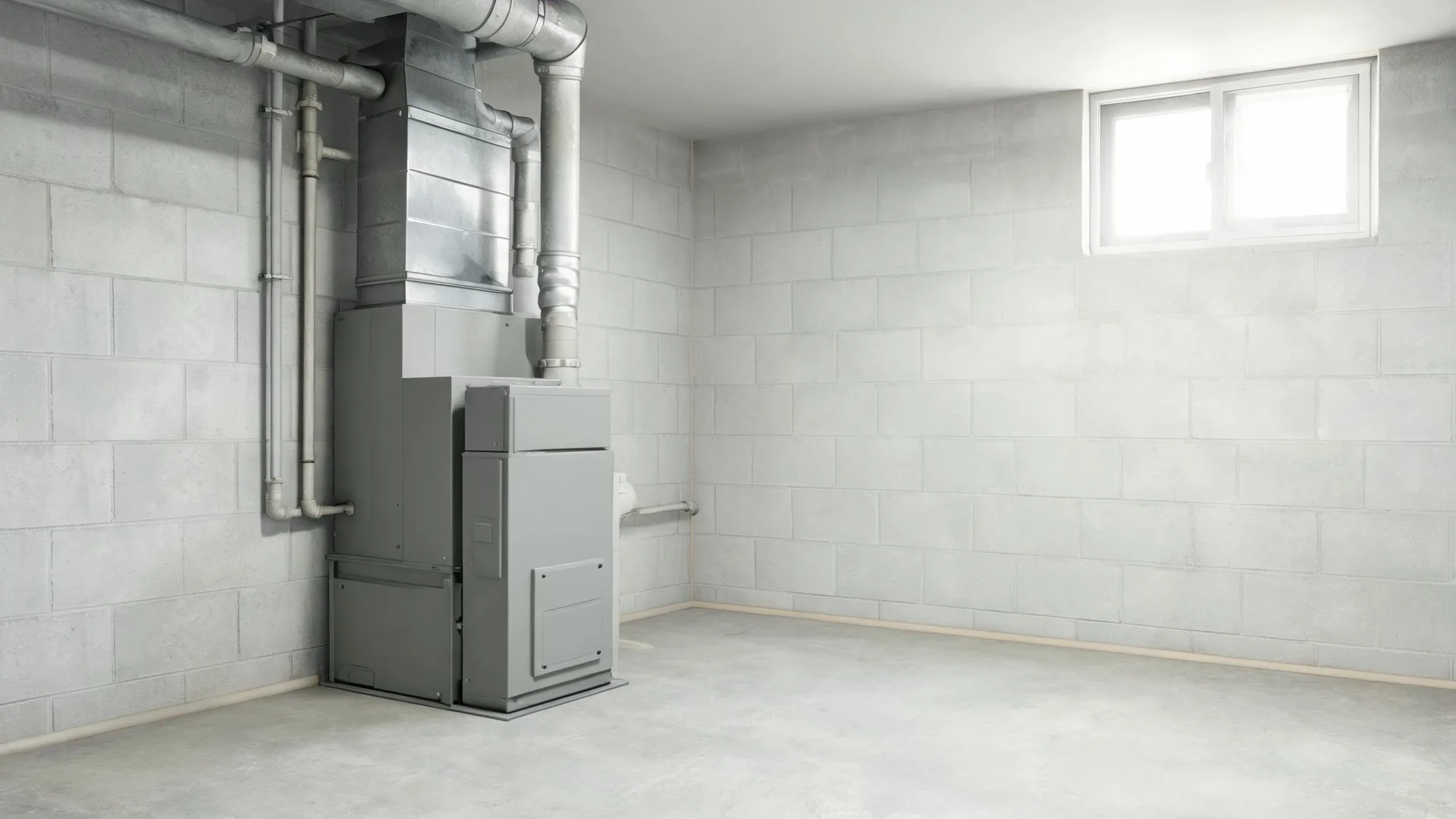
Gas here isn't cheap
Montana homes paid $7.77 per million Btu for natural gas in 2024. A furnace that wastes fuel burning through a Livingston winter will show it on the meter.
Takes about a minute. No obligation.
Montana homes paid $7.77 per million Btu for natural gas in 2024. A furnace that wastes fuel burning through a Livingston winter will show it on the meter.
A new furnace runs here for years, through winters that don't let up. Picking one for how well it turns gas into heat matters more in a place like this than in a mild climate.
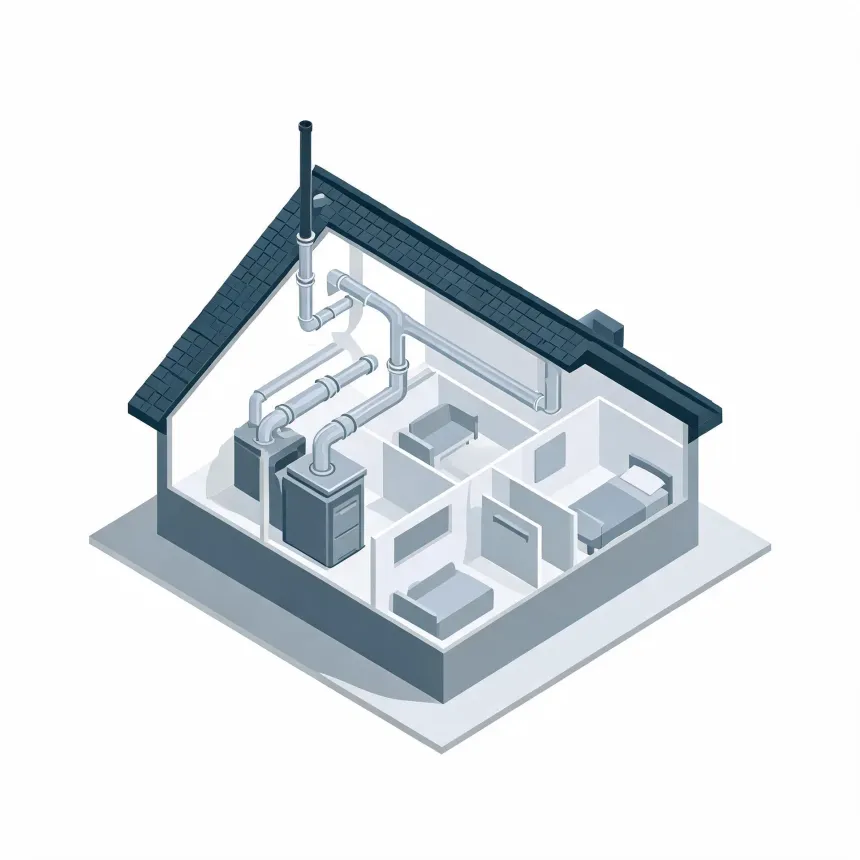
NOAA nClimDiv, 1991–2020 normals
Park County logged 175 winter storms and 120 damaging wind events between 2015 and 2024.
A furnace install should plan for the power going out, not just the gas bill.

Park County falls under zone 6B in the 2021 energy code, a cold, dry climate classification that puts a floor under what can go into your house. Any gas furnace built from November 2015 on has to turn at least 80 percent of the gas it burns into heat over the winter. That's the federal minimum, not a target, so nothing less efficient is on the table here regardless of price. Starting in December 2028, new furnaces will have to hit 95 percent. If your install happens before then, you can still choose a furnace built to the old 80 percent floor or step up to one already meeting the higher mark.
At $7.77 per million Btu, every therm this furnace wastes is a therm you paid for twice. A new install is the one chance to choose how efficiently it burns gas before it's locked in for the winters ahead.
Find a contractor
The old furnace doesn't get rebuilt or refurbished. It gets disconnected and hauled out, gas line capped or reconnected to the new unit, flue removed or resized to match what's replacing it. If it's old enough to have a standing pilot or a heavy cast iron heat exchanger, the installer will check what the venting was built for, because a new high-efficiency furnace doesn't vent the same way the old one did. Years of running wear on a heat exchanger in ways you can't see from outside the cabinet. Hairline cracks, corrosion where condensation sat, a blower motor bearing worn loose. None of that gets reused. Whatever still works, a thermostat, ductwork, the gas line itself, gets inspected and either kept or adapted, but the furnace itself is done once the new one goes in.
The efficiency rating on a furnace tells you how much of the gas it burns turns into heat in the house, and how much goes out the flue unused. A furnace with a higher rating loses less up the vent. A furnace at the low end sends a real share of what you pay for straight outside instead of into the ducts. That number doesn't drift with age. It's fixed by the design, the heat exchanger and how the burner is built, and it stays what it is for as long as you own the furnace.
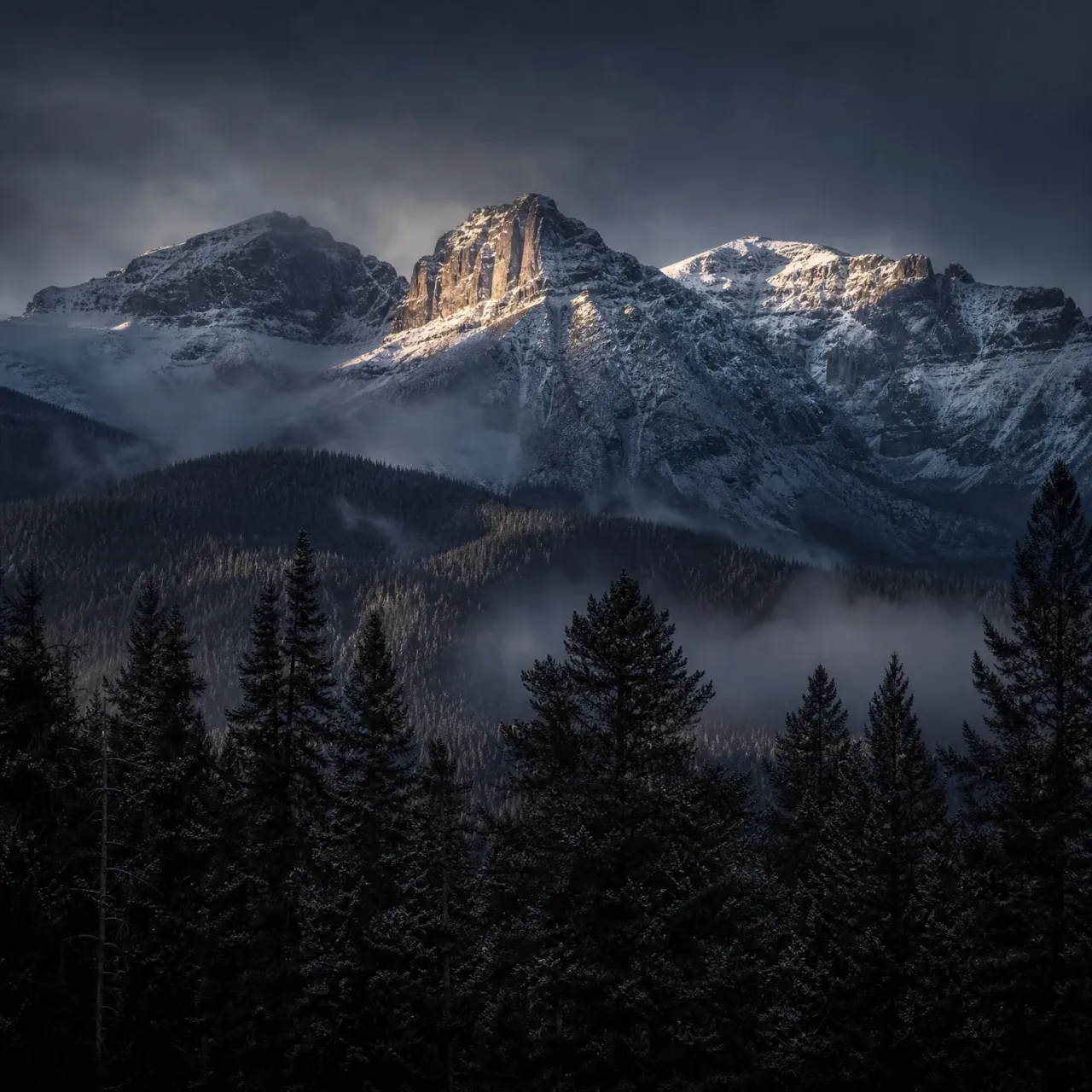
A furnace built to a higher rating pulls combustion air and vents the exhaust differently than an older design, usually through sealed plastic pipe instead of a metal flue, because the exhaust runs cooler. That changes where the vent has to come out on the house and what the installer has to run to get there. Picking the rating isn't just picking a number off a spec sheet. It decides the venting work that goes along with the furnace.
Estimates for a typical Park County home, from EIA household energy data, Montana fuel prices and NOAA climate normals. Your home will differ.
A furnace install starts with sizing the job, not setting the unit in place. The installer runs a load calculation on the house, because a furnace too big short cycles and one too small runs constantly without catching up. Once the furnace is set, the work is mostly connections: gas line, venting, ductwork, electrical, and a condensate line if the furnace is high efficiency. Each gets pressure tested or checked before anything is sealed up. The last steps are the ones that decide how it runs for years afterward. The installer fires the furnace, checks gas pressure at the manifold, and measures the temperature rise across the heat exchanger against what the manufacturer specifies. Airflow gets checked too, because a furnace moving too little air over the heat exchanger will run hot and shorten its own life. None of this shows from outside the cabinet once the job is done, but it's the difference between a furnace that lasts and one that doesn't.