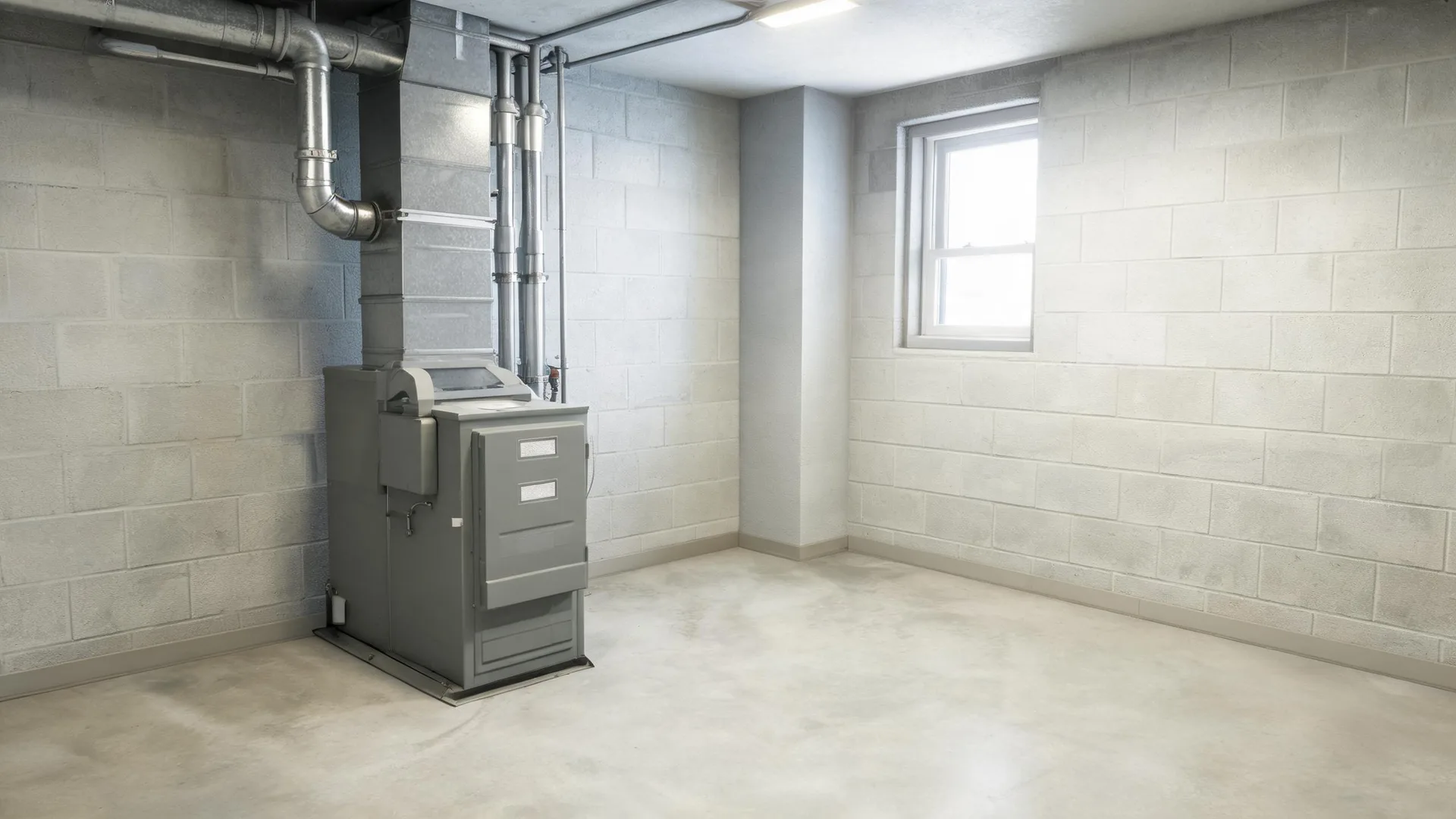
Electricity here runs $37.11 per million Btu
That's the 2024 rate for Montana homes, and it's what a furnace draws on every time it fires. A furnace that wastes heat up the flue or through a worn heat exchanger is burning that rate for nothing.
Takes about a minute. No obligation.
That's the 2024 rate for Montana homes, and it's what a furnace draws on every time it fires. A furnace that wastes heat up the flue or through a worn heat exchanger is burning that rate for nothing.
Two furnaces can heat the same house and use different amounts of electricity doing it. In a place with hard winters and real power costs, that difference shows up on every bill the furnace is asked to cover.
NOAA nClimDiv, 1991–2020 normals
Furnaces in Lincoln County go to work in September.
Replacing yours in August means it's done before the first cold morning asks something of it.




Lincoln County falls under zone 6B, the cold end of the 2021 energy code. A furnace installed here has to clear 80 percent efficiency, turning at least that much of the gas it burns into heat over the winter. That's been the floor for any furnace built since November 2015. In 2028 the floor rises to 95 percent, but that only applies to units manufactured from December 18 of that year on. A furnace bought today still has to clear 80, not 95.
At $37.11 per million Btu, a furnace that wastes less electricity costs less to run every month it works, and here that's most of the year. The install is the point where that gets decided. Once it's in, its efficiency is fixed for as long as it heats your house.
Find a contractor
Ten months of work a year is most of the year, and that's the case for getting the sizing right at install instead of guessing. A furnace too big for the house cycles on and off instead of running steady, and at this kind of runtime that wear shows up sooner, not later. One sized to the house runs longer, steadier stretches through all ten months instead of fighting itself the whole time. That sizing gets decided once, at install. Whoever puts this furnace in should be running a load calculation on your house, not going off the size of the one it replaces.
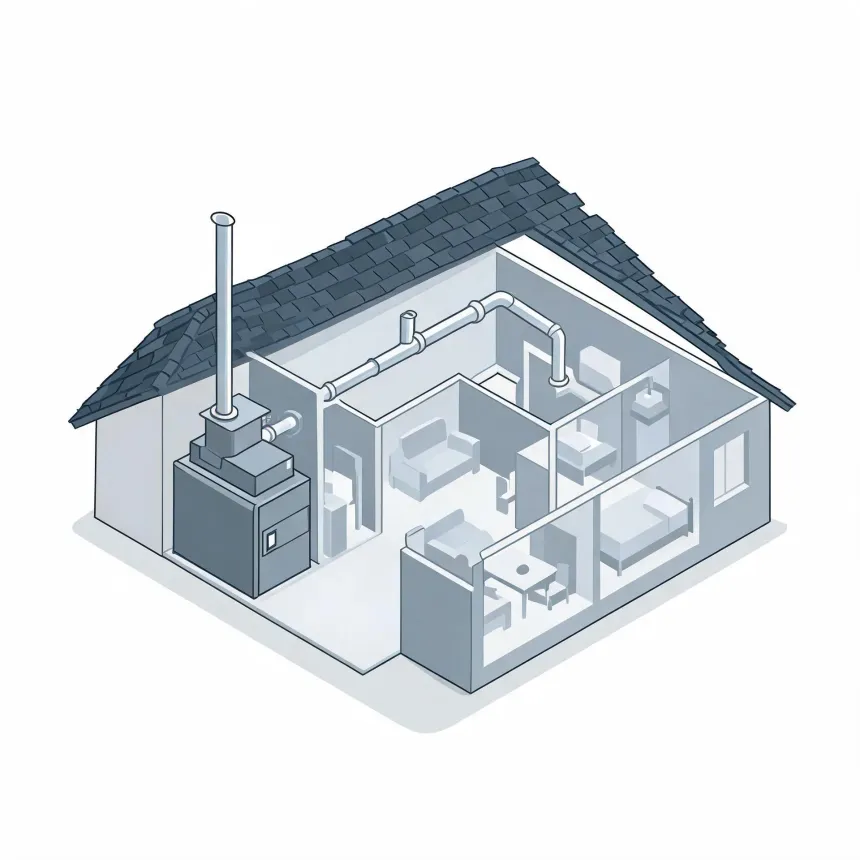
A furnace isn't just unbolted and carried off. The gas line gets capped, the flue or vent pipe comes down, and the ductwork connection gets disconnected before the cabinet moves. Whoever pulls it should check the flue one last time on the way out, since a flue sized for the old furnace isn't always right for the new one.
Old ductwork, a mismatched flue, or wiring built for a different control board can all undercut a new furnace's efficiency before it ever fires. A proper install checks what's staying against what's coming in, instead of just setting the new unit where the old one sat.
The efficiency number on a furnace is the AFUE rating, and it tells you how much of the fuel it burns actually turns into heat in the house over a winter. The rest goes out the flue. That loss happens no matter how well the furnace was installed or how often the filter gets changed, because it's built into the design, not the upkeep. A furnace with a higher rating loses less heat out the flue, which is why two furnaces heating the same house don't draw the same amount of fuel to do it. The rating doesn't change with age or use. A furnace runs at the efficiency printed on its label the day it's installed and every winter after, until something fails or it gets replaced.
Install day starts with the old furnace coming out, then the new one goes in, and most of the day goes to the parts that don't show up in a brochure. The gas line gets connected and pressure tested before anything is fired up. The vent or flue gets fitted to the new furnace's output rather than reused as is. Ductwork gets sealed at the connection so the furnace isn't pushing heated air into gaps. Once it's hung and connected, the furnace gets fired and checked: gas pressure, temperature rise across the heat exchanger, and airflow all get measured, not eyeballed. A furnace that fires but never gets tested against those numbers can run for years at lower efficiency than it's rated for, and nothing about it will look wrong from the outside.