Gas is the normal choice here
Just over half the homes in Richland County heat with utility gas. If your house already has a gas line run to it, a gas furnace is the straightforward replacement.
Takes about a minute. No obligation.
Just over half the homes in Richland County heat with utility gas. If your house already has a gas line run to it, a gas furnace is the straightforward replacement.
A gas furnace install means venting, gas line checks and a flue to deal with, not just swapping a box in a closet. Worth asking any contractor what they found when they looked at your current setup before they quote the work.

NOAA nClimDiv, 1991–2020 normals
A furnace that's too big short cycles, heating the house fast and shutting off before it pulls moisture out of the air or warms things evenly.
Sizing comes from a heat loss calculation on the house itself, not a formula based on square footage alone.
Furnaces in Richland County start working in September and keep running through May. That's nine months of the year the system has to hold up. If yours is on its way out, August is the month to deal with it, before the first cold night makes the decision for you. Wait too long and a failed furnace means taking whatever install date a contractor has open, not the one that suits you. Replace it in August and the contractor has time to run a proper heat loss calculation instead of a rush job, and the new furnace gets broken in before it has to work for nine straight months.
Nine months of heating a year, down to 6 below zero on a winter night. That's the load a new furnace here has to carry every season, not just on the coldest week. A unit sized off a chart instead of your house will run harder than it should and wear faster for it. Get the heat loss calculation done and size it to the house.
Find a contractorA furnace sized to the house still needs to be installed to match it. Ask what the heat loss number came out to and whether the furnace being quoted matches that figure, not a round number pulled from a brochure. A contractor who ran the calculation can tell you both.
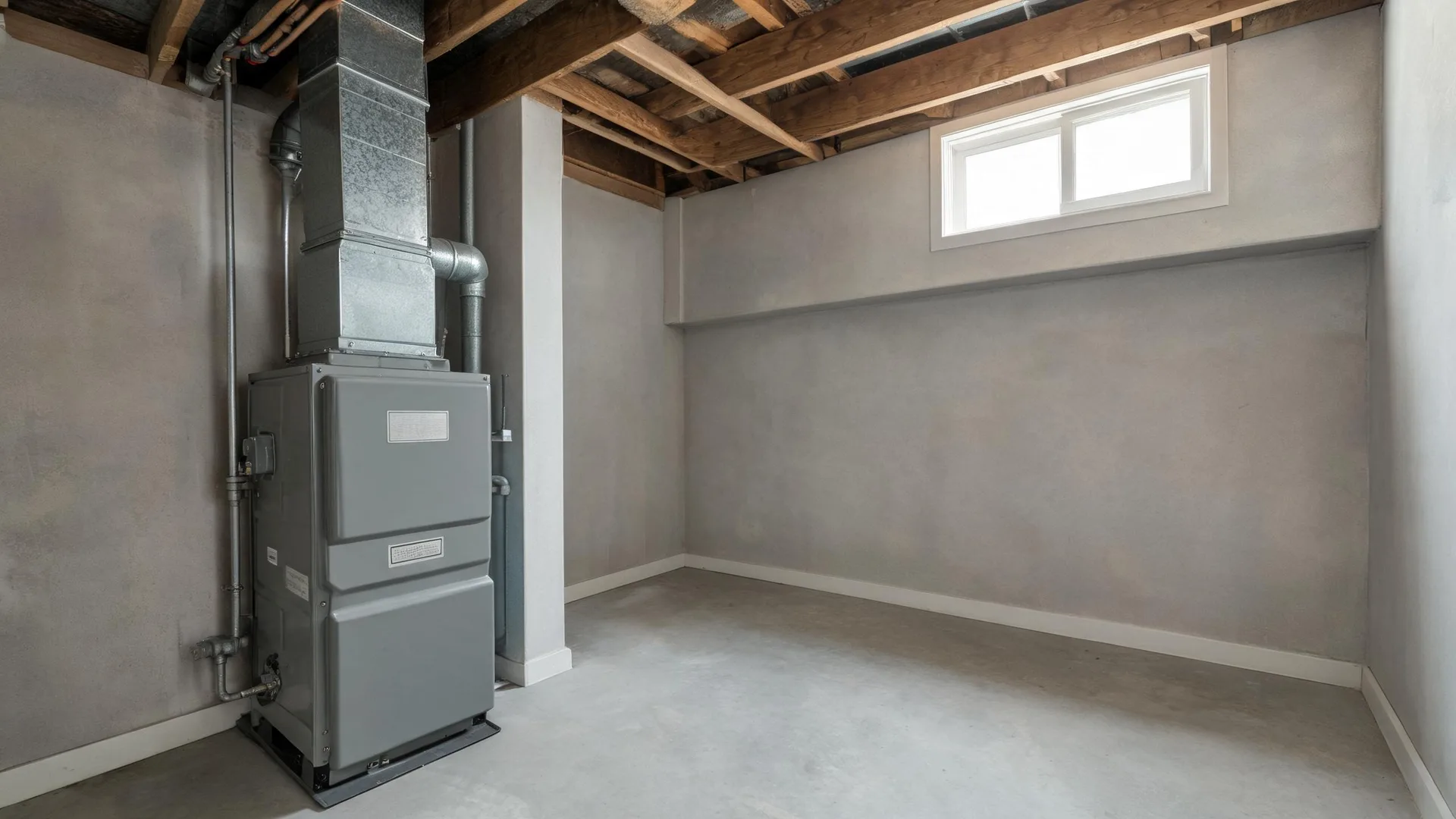
A new furnace doesn't just drop in next to the old one. The old unit gets disconnected from the gas line, the vent or flue, the ductwork and the power, then taken out whole. If it's down in a basement or tucked in a tight closet, getting it out the door can take as much time as setting the new one in place.
The flue or vent pipe sized for the old furnace may not be the right size for the new one, especially if the new furnace is a different efficiency type. A contractor checking the old system before pulling it out is looking for this, not just the furnace itself. Reusing a vent that doesn't match the new unit causes problems long after the install is done.
Estimates for a typical Richland County home, from EIA household energy data, Montana fuel prices and NOAA climate normals. Your home will differ.
Installation day starts with the old furnace coming out, so expect a few hours where the house has no heat at all before the new one is connected. Once it's out, the work moves to the gas line, the vent or flue, the ductwork and the electrical, each one checked and connected to the new unit rather than just hooked back up the old way. The furnace gets set, leveled and connected, then the contractor fires it up and checks the flame, the airflow and the temperature rise against what that model is built to run at. A combustion analyzer reading tells them the furnace is burning gas cleanly, not just that it's blowing warm air. Expect some noise and some testing of the thermostat and the cycling before anyone calls it done. A furnace that's installed right gets checked while it's running, not just switched on.