Propane runs the bill here
Montana homes paid $22.28 per million Btu for propane in 2024. A furnace burns through that fuel every time it fires, so the price per gallon isn't an abstract number. It's what this winter's heating actually costs.
Takes about a minute. No obligation.
Montana homes paid $22.28 per million Btu for propane in 2024. A furnace burns through that fuel every time it fires, so the price per gallon isn't an abstract number. It's what this winter's heating actually costs.
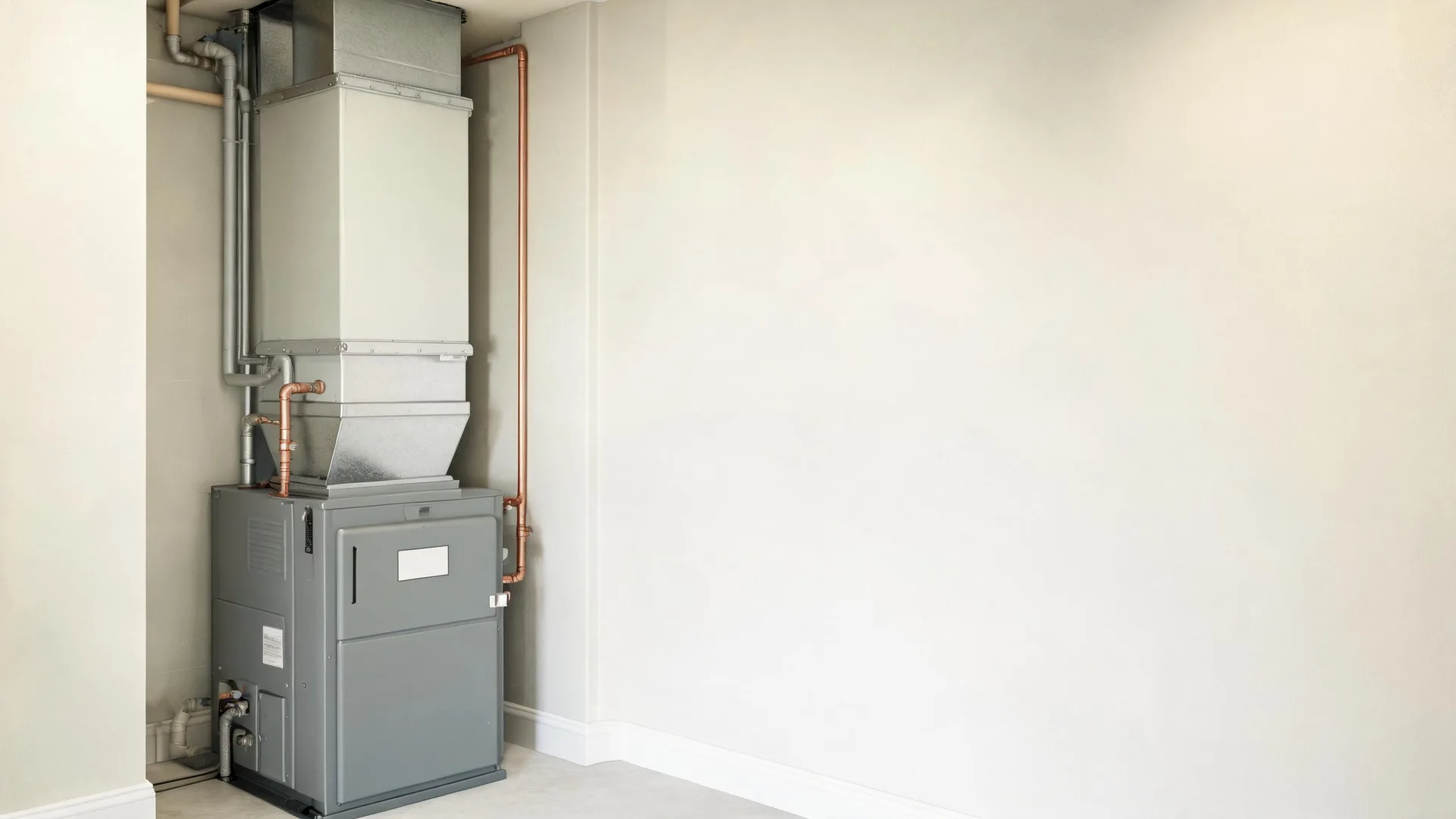
Nobody sets the price of propane. What a homeowner can choose is how much of it a furnace wastes. Two furnaces burning the same fuel at the same price can leave very different amounts of heat going up the flue instead of into the house.
NOAA nClimDiv, 1991–2020 normals
Propane heats 45.3% of homes in Madison County, more than any other fuel.
A propane furnace is the system most installers here know best, and parts for one are easy to find.
Madison County falls under zone 6B in the 2021 energy code, a cold zone with a long heating season. Any furnace installed here has to meet the federal minimum for that: at least 80 percent of the gas it burns turned into heat over the season. That's been the rule for units built since November 2015, so most furnaces on the market clear it already. The bar moves again for furnaces manufactured on or after December 18, 2028, when the minimum rises to 95 percent. That gives a homeowner installing now a real choice between a system built to the current floor and one built well above it.
Propane costs what it costs. What you control is the furnace you put between that fuel and your house, and that choice keeps showing up on the bill for as long as you own it. Get a quote on a furnace sized and rated for Ennis winters.
Find a contractorEleven months of runtime a year wears a furnace down faster than a short season would. That makes sizing it right the thing to get correct before it's installed. A furnace too big for the house cycles on and off more than it should, and every start puts more wear on the igniter and the heat exchanger. One that's too small runs flat out trying to keep up, which costs more in propane and still leaves the house short on the coldest days. A load calculation for this house, not a guess based on the old unit, is what gets the size right. Once that's settled, the rating on the furnace is what decides how much of eleven months of propane turns into heat instead of going up the flue.
Every furnace has an AFUE number, and it tells you how much of the fuel it burns turns into heat instead of going up the flue. A contractor should give you the exact figure for the model they're quoting, not just say it's efficient. Two furnaces can look the same and sit ten points apart.
The size of the furnace should come from a room by room calculation of this house, not a match to the unit being replaced. A furnace sized off the old system can inherit whatever was wrong with it. Ask whether that calculation gets done before the quote, not after the furnace is already picked.
Estimates for a typical Madison County home, from EIA household energy data, Montana fuel prices and NOAA climate normals. Your home will differ.
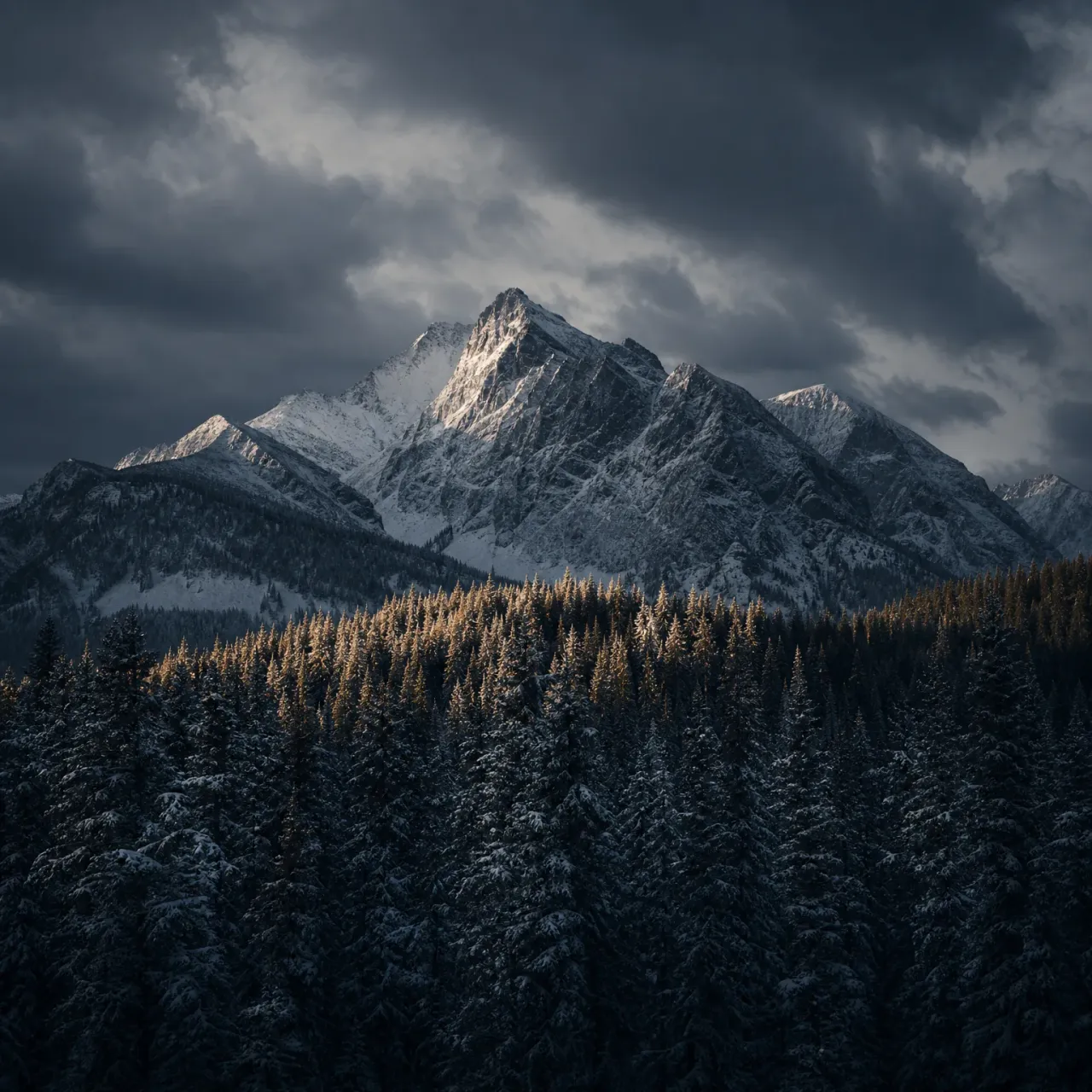
Installation starts with the old furnace coming out, along with whatever venting and ductwork connections won't carry over to the new one. The installer sets the new unit, then connects the gas line, the venting, the ductwork and the electrical. Gas lines get pressure tested before anything is fired up, and the venting gets checked for the right pitch and clearance, since a furnace that vents wrong can put combustion gas back into the house instead of outside. Once it's hooked up, the installer fires it and checks the flame, then measures the temperature rise across the heat exchanger to confirm it falls in the range the manufacturer specifies. The gas pressure gets set and checked against the manufacturer's number too, since too much or too little changes how completely the fuel burns. Last comes airflow, checked at the registers to make sure the ductwork is actually moving what the furnace is putting out.