



Warmly lit timber-frame and stone houses line a street at dusk, with evergreen trees and a snow-capped mountain range in the background.

Furnace Installation in Superior, MT

Tell us about the job

Takes about a minute. No obligation.

New system or replacementFurnace or heatingMineral County, MT
Step 1 of 2

What ZIP code is the job in?

Propane ran $22.28 per million Btu across Montana in 2024. That's the fuel most furnaces here burn, and it's not cheap compared to other heating fuels. A furnace that wastes some of that heat up the flue is burning money you didn't need to spend. The efficiency rating on the unit you install matters more here than it would somewhere running natural gas or in a place with mild winters. Two furnaces can carry the same price tag and cost very different amounts to run all winter.

10 months
September through June, your furnace is on duty
20°F
the average winter night it heats against
80% AFUE
the federal minimum any new unit must meet
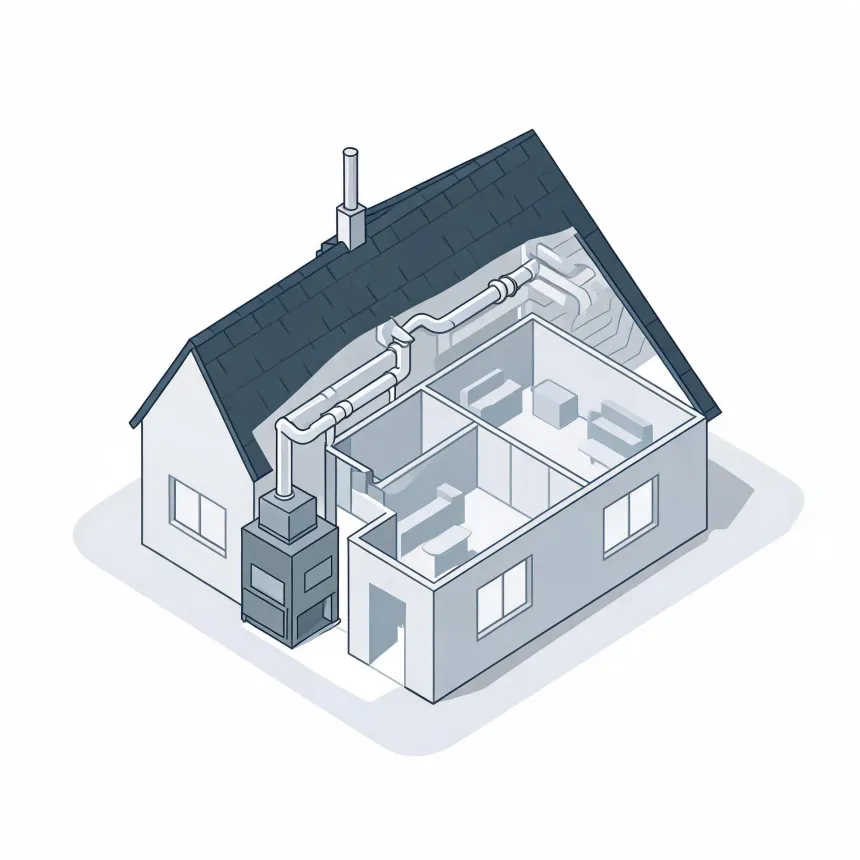
Isometric line illustration of a cutaway single-story house with a dark shingled roof, showing interior rooms and ductwork connected to a gray furnace unit with a flue pipe.
Your furnace works hardest from October through April.

NOAA nClimDiv, 1991–2020 normals

Furnaces here run nine or ten months straight, September through June.

A furnace sized and installed right carries that load without the early wear that drives up what you spend on propane.

Almost half this county heats with propane, so matching what's already there is the simplest call

44% of homes heat with propane
Heat runs September through June
Winter nights average 20°F

Mineral County falls under zone 6B in the 2021 energy code, a cold, dry climate zone with a long heating season. Any furnace installed here has to meet the federal minimum for that: at least 80 percent of the gas it burns turned into heat, a rule that's applied to every gas furnace built since November 2015. That floor rises to 95 percent for furnaces built on or after December 18, 2028, so the market is already shifting toward units that waste less. Given how many months a furnace runs here and what propane costs, the efficiency rating on the unit isn't a side detail. It's worth asking what a contractor is installing above that minimum, and what a federal tax credit might cover toward the difference.

Ask what efficiency rating you're getting before you buy

This furnace is going to run most of the year on propane, and propane here isn't cheap. The rating on the unit decides how much of that fuel turns into heat in the house and how much goes up the flue. Ask what rating the contractor is quoting before you settle on a system, and whether it clears the federal minimum by much.

Find a contractor
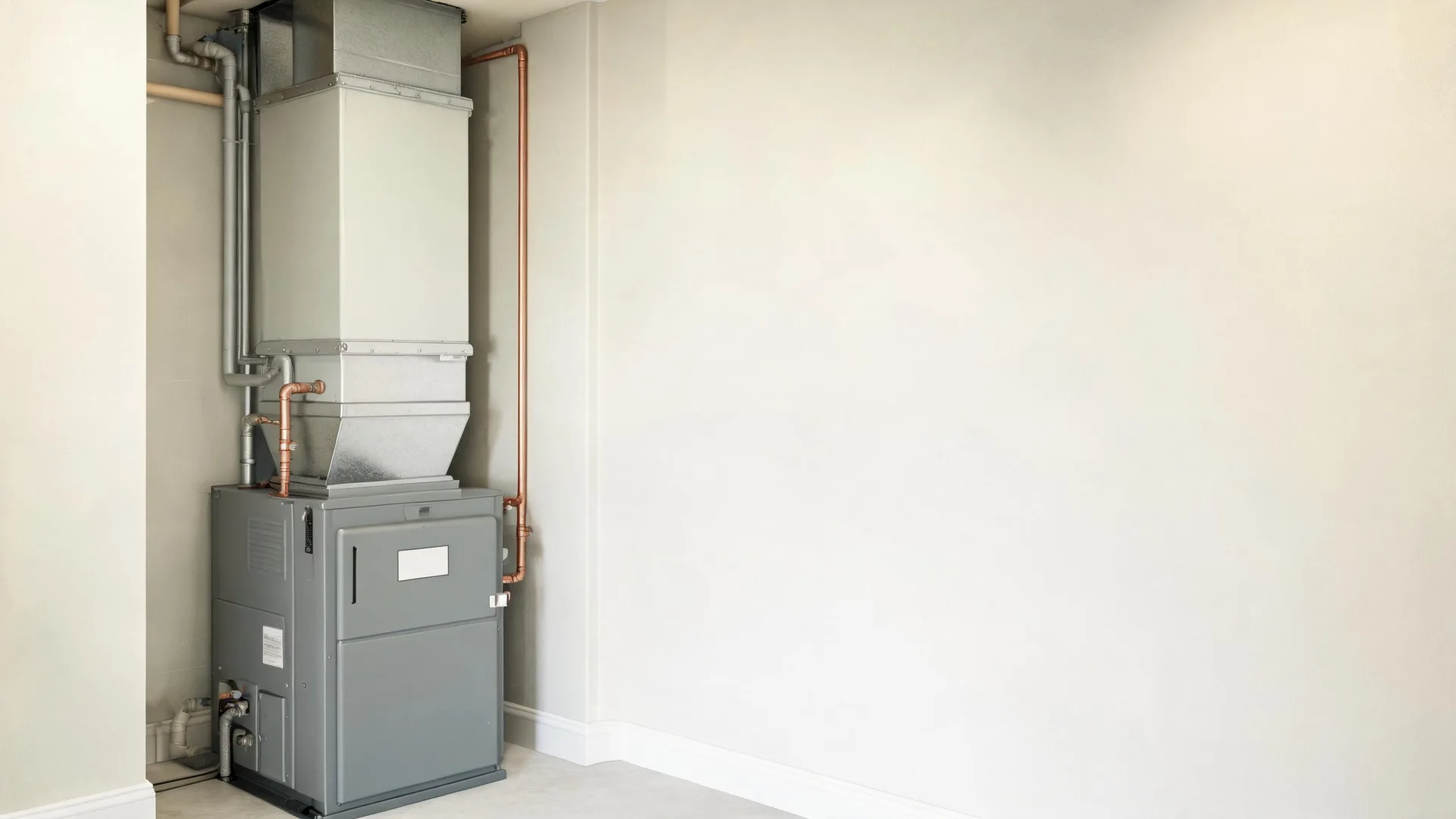
A gray residential gas furnace installed in an unfinished basement, surrounded by ductwork, a metal flue pipe, and a gas supply line.

August is the month to do this, not September

Furnaces here start running in September and go through June. That's ten months out of twelve. Install one in August, before the weather turns, and you get to pick the unit and the install date on your own terms. Wait until the first cold night in September and you're choosing from what's in stock, on whatever day a crew can get to you.

The rating is a measure of waste, not power

The AFUE number on the label tells you what share of the fuel burned turns into heat in the house. The rest goes out the flue as exhaust. It has nothing to do with how big a space the furnace can heat or how fast. A high rating and an undersized furnace will still leave rooms cold, just efficiently.

The gap between two ratings never closes

A furnace with a lower rating burns more fuel for the same heat, every single cycle, for as long as it runs. That difference doesn't shrink as the unit ages or improve with a tune-up. It's built into the design, mainly in whether the furnace pulls a second pass of heat from the exhaust before venting it outside.

A gray forced-air furnace with ductwork stands in an unfinished concrete basement surrounded by storage items and clutter.

A high-efficiency propane furnace would save about $160 a year to run in Mineral County compared with a propane furnace.

  • A high-efficiency propane furnace$770 a year
  • A propane furnace$930 a year

Estimates for a typical Mineral County home, from EIA household energy data, Montana fuel prices and NOAA climate normals. Your home will differ.

Installation day starts with the old furnace coming out, and that alone takes a few hours once the gas line, vents and ductwork connections are disconnected. The new unit gets set in place, leveled, and connected to the duct trunk, the gas line and the vent. If it's a different size or a different efficiency rating than what was there, the ductwork or venting may need some adjustment to match, since a furnace that pulls a second pass of heat from the exhaust often vents through PVC pipe instead of the metal flue an older unit used. Once it's connected, the contractor fires it up, checks the gas pressure, checks the temperature rise across the heat exchanger, and makes sure the flame looks right. Then comes the part that matters most and takes the least time to watch: airflow gets checked room by room, because a furnace that's wired right but starved for air will short-cycle and wear out early no matter what its rating says. A good install ends with the contractor walking the system with you, showing you the filter, the shutoff, and what the thermostat is set to do.