Nine months of heat a year
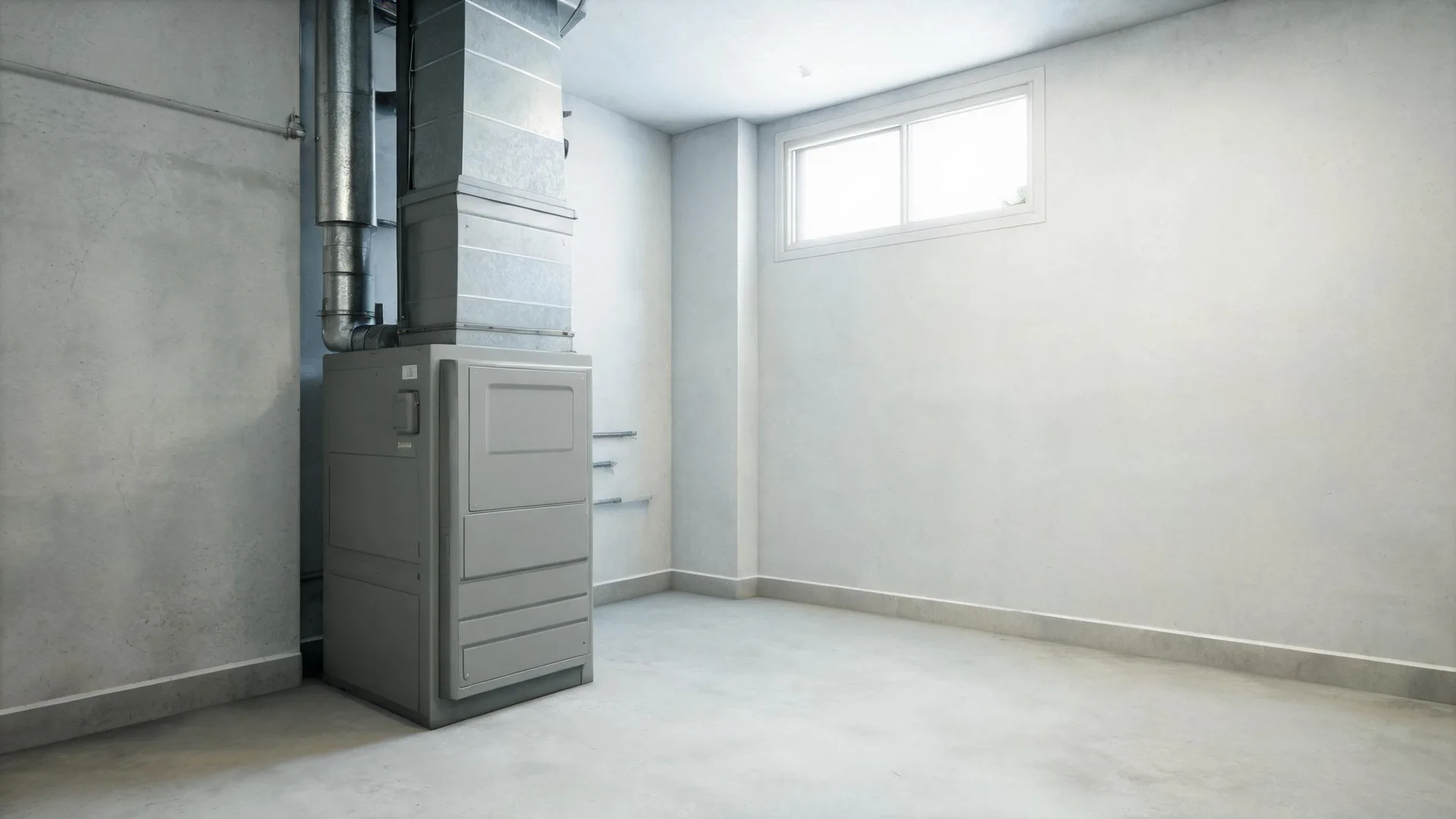
A furnace in Glendive runs from September through May. Overnight lows average 8°F across December, January and February. That is most of the year spent working, not a few cold snaps here and there.
Takes about a minute. No obligation.
A furnace in Glendive runs from September through May. Overnight lows average 8°F across December, January and February. That is most of the year spent working, not a few cold snaps here and there.
A furnace sized for milder places won't hold up to a Glendive winter. Whoever installs it needs to size it for this cold and this many months of runtime, not a generic recommendation.

NOAA nClimDiv, 1991–2020 normals
Half the homes in Glendive were built in 1966 or earlier.
A furnace going into a house that old has to match the ducts and venting already there, not a generic layout.
Dawson County is zone 6B under the 2021 energy code, the cold end of the scale. Any furnace going in has to meet the federal minimum for that, which is 80 percent AFUE. That floor rises to 95 percent AFUE in a few years, so a furnace built after that date won't be allowed to sell at the lower number. Buying now still means buying at today's minimum. It's worth checking the AFUE number on the unit against when it was actually built, not when it goes into the house.
Furnaces here start running in September and stay on through May. Replacing one in August means it's done before the first cold night asks anything of it, and whoever installs it isn't rushing the sizing or the venting to beat a cold snap.
Find a contractorNine months a year, that furnace is either running or about to start. Get the size wrong and you won't find out until the first stretch of 8 degree nights, when it's already too late to send it back. Ask whoever quotes the job to show you the load calculation, not just a number pulled from the size of the old unit.
Venting, ductwork and the gas line all factor into the job. If the new furnace is a different type than the old one, the vent pipe material might not be allowed to carry its exhaust, and that means new venting. If the ducts were sized for the old unit's airflow, they may need adjustment to work with the new one. None of that shows up on the sticker price of the furnace itself.
A furnace rated higher on efficiency pulls more heat out of the exhaust before letting it go, which means that exhaust is cooler and has to leave through a different kind of vent than the old one. That often means new venting runs where the old chimney or pipe used to do the job. It's a different installation, not just a different furnace.
Estimates for a typical Dawson County home, from EIA household energy data, Montana fuel prices and NOAA climate normals. Your home will differ.
Installation day starts with the old furnace coming out, and that alone can take a while if the vent pipe or gas line has to come apart to get it free. Once it's out, whoever's doing the job checks the duct connections and the gas line sizing against what the new furnace actually needs, not what the old one needed. Venting gets run or reused depending on what the new unit requires, and that's tested for a proper draft before anything gets sealed up. The furnace gets set, connected to power, gas and ducts, then fired up and checked while it runs through a full cycle. A tech will check the temperature rise across the furnace, the gas pressure, and the flame itself to make sure it's burning the way it's supposed to. Nothing gets called finished until it's run long enough to prove it holds steady, not just started and shut back off.