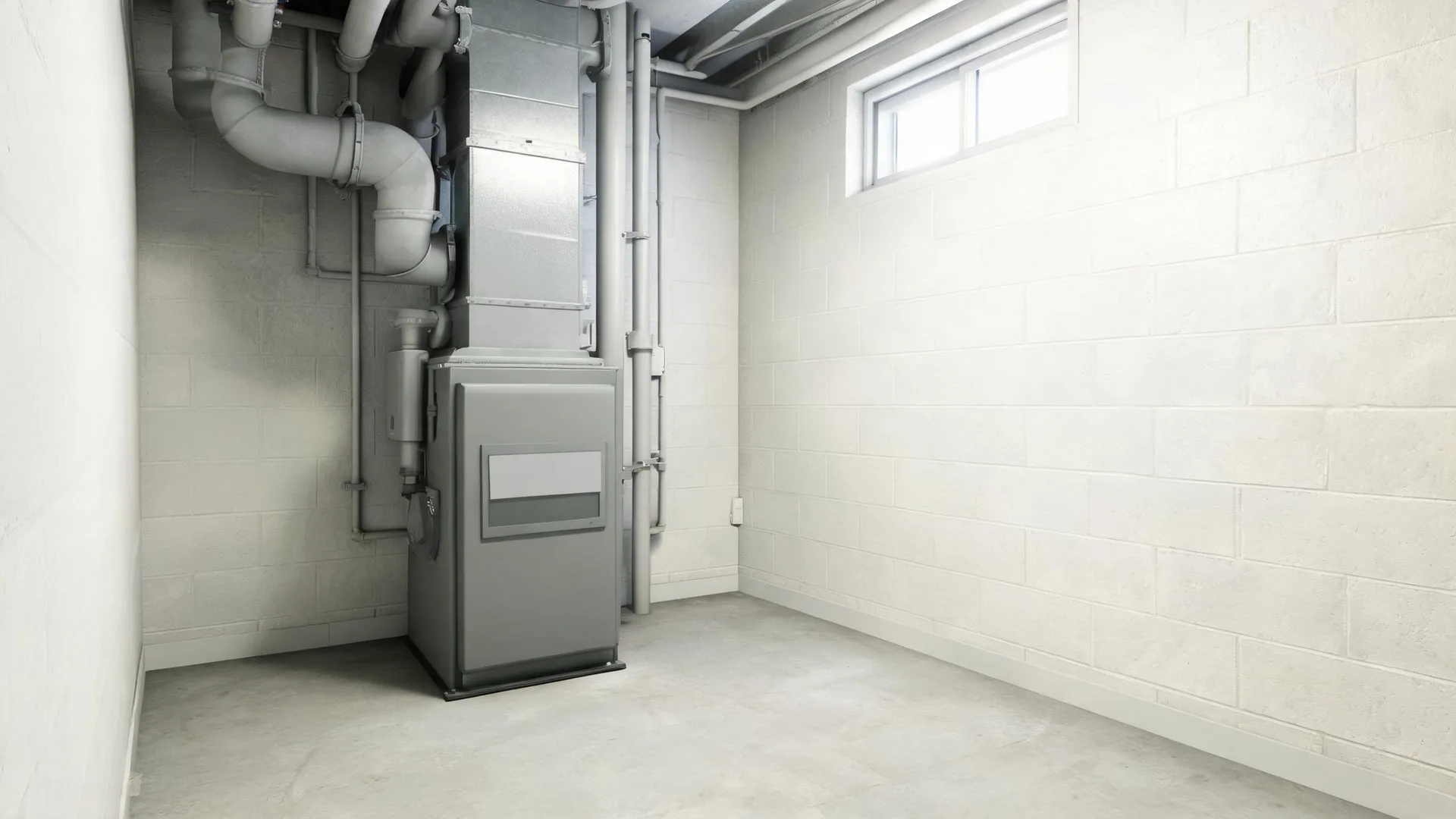
Gas is the common choice here
Utility gas heats 40.9% of homes in Ravalli County, more than any other fuel. Electricity and LP gas split most of the rest.
Takes about a minute. No obligation.
Utility gas heats 40.9% of homes in Ravalli County, more than any other fuel. Electricity and LP gas split most of the rest.
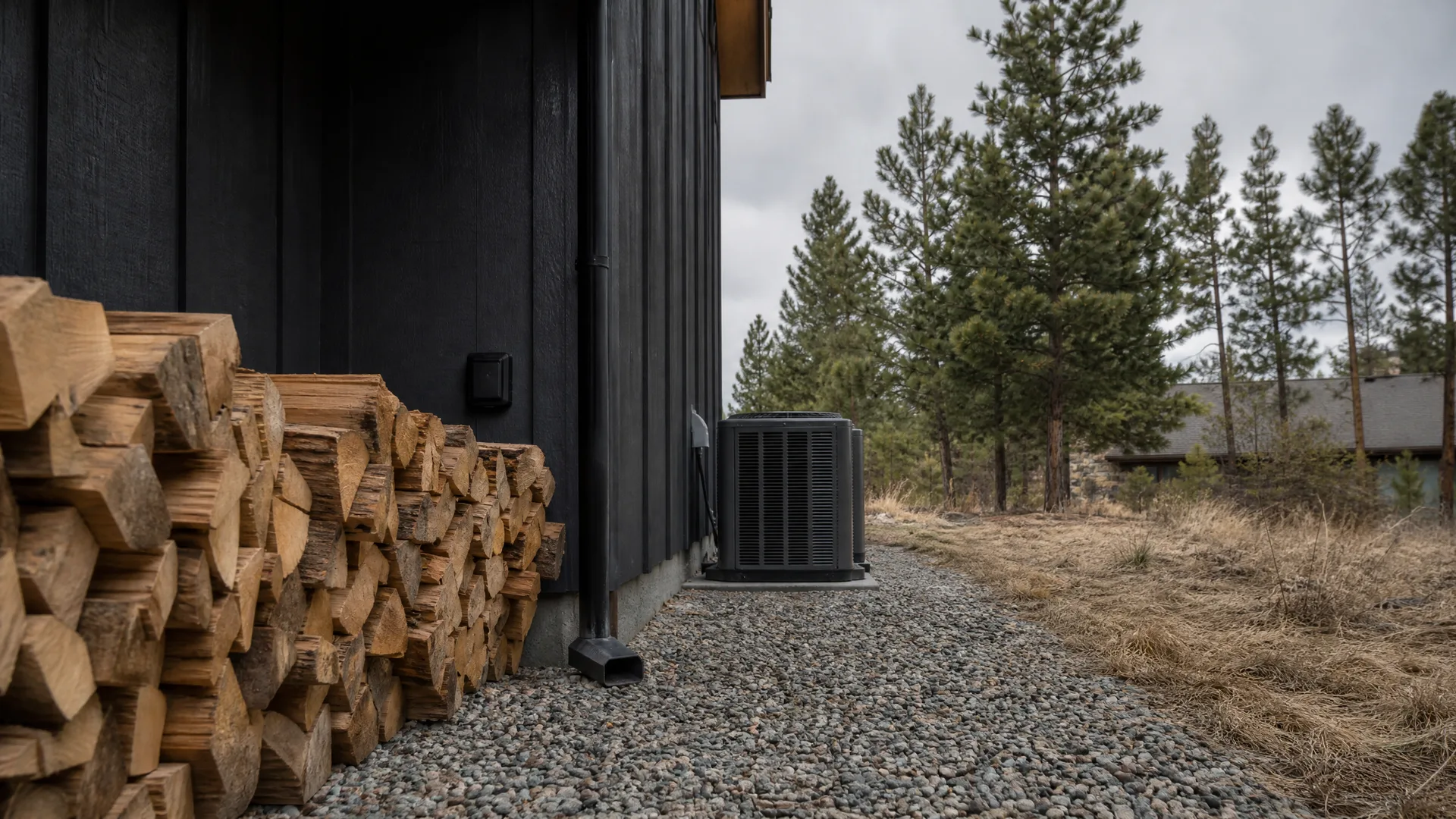
If your home already has a gas line run to a furnace, installing a new gas furnace in its place means working with venting and a gas connection that are already there.
NOAA nClimDiv, 1991–2020 normals
Furnaces in Ravalli County run from August through June, eleven months of the year.
July is the one month they sit idle, which makes it the month to get a new one in.
Eleven months of run time already asks a lot of a furnace here. The nights are what push it further. Across December, January and February the overnight low averages 16°F, and the furnace has to make up that difference every night, not just on the coldest week. Winter here also means heavy snow and ice and blizzards on top of all that run time, year after year. A furnace sized wrong for that shows it fast. The cheapest unit to install isn't always the one that holds up to a winter like this one.
Severe weather here, 138 events between 2015 and 2024 counting wind, hail and winter storms, is a reason to get the install right. It isn't a reason to size the furnace up or pay for more capacity than the house needs. A standard-efficiency gas furnace, properly sized for your home, handles what this county sees winter after winter.
Find a contractor
The clip beside this runs the same furnace from morning through midnight, and in Ravalli County that's most of the year, not just a cold snap. Ask what load calculation a contractor used before you ask about brand. A furnace sized to the house, not to the worst night on record, is the one that keeps up without running flat out every time the temperature drops.
The furnace already in the house tells you almost nothing about what should replace it. A contractor works out the right size from the house itself. Square footage, window count and type, insulation, ceiling height, how many walls face outside all go into it. A big window wall or thin insulation changes the number even on a house that looks ordinary. Going off the nameplate on the old unit just copies a guess someone else made years ago.
A furnace too big for the house heats the air fast, shuts off, and starts again soon after instead of running a long steady cycle. That short cycling wears the igniter and the blower motor sooner than they should wear. It also leaves rooms farther from the furnace colder than the thermostat reading suggests. Bigger doesn't mean a safer margin. It means a furnace working against its own design.
Estimates for a typical Ravalli County home, from EIA household energy data, Montana fuel prices and NOAA climate normals. Your home will differ.
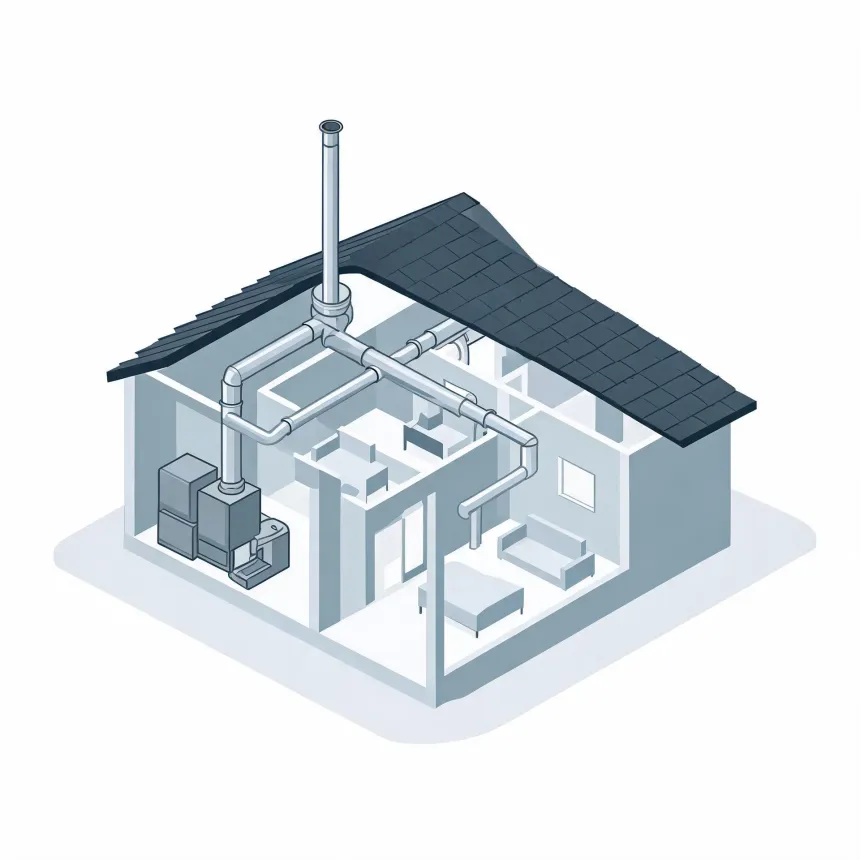
Install day starts with the old furnace coming out, along with anything about the venting or gas line that doesn't meet current code. That part sometimes takes longer than putting the new one in. The new furnace gets set in place, connected to the ducts, the gas line and the vent, then wired to the thermostat. The part that matters most comes after it's running. The contractor checks gas pressure, airflow and the temperature rise across the heat exchanger against the manufacturer's spec. A furnace can be installed correctly and still run wrong if that last check gets skipped. Ask whether a combustion analysis is part of the job, not an upgrade.