Gas here runs $7.77 per million Btu
Montana gas averaged $7.77 per million Btu in 2024. A furnace that wastes heat burns through more of it, and every therm wasted shows up on the bill.
Takes about a minute. No obligation.
Montana gas averaged $7.77 per million Btu in 2024. A furnace that wastes heat burns through more of it, and every therm wasted shows up on the bill.
Two furnaces can heat the same house and burn different amounts of gas doing it. In a place with hard winters, that difference runs up for months straight, not just on a cold snap.
NOAA nClimDiv, 1991–2020 normals
Half the homes in Powell County were built in 1966 or earlier.
A furnace going into one of those houses has to be sized for the house it's actually heating, not a guess.




Gas heats 44 percent of homes in Powell County, more than any other fuel. Electricity comes in at 20.7 percent, and propane at 17.8 percent. When a gas furnace is already there, putting in another gas furnace means the gas line and the vent are already in place, built for this house. That's less to change and less that can go wrong at installation. It's also why parts and service for gas furnaces are easy to find here. Swapping fuel types is sometimes the right call, but for most homes in this county, gas to gas is the straightforward path.
Picking the furnace that burns gas efficiently is what keeps that $7.77 per million Btu from adding up faster than it has to. That choice gets made once, at installation, and it runs with you every winter after.
Find a contractorEleven months of run time a year means sizing this furnace right matters more here than almost anywhere else. Too big and it short cycles, turning on and off instead of running steady, and that short cycling wears on the igniter and the blower motor. Too small and it runs flat out all winter trying to keep up, which wears it down just the same. Get a contractor who sizes it to your house, not to the unit they have on the truck. And when you're comparing furnaces, look past the sticker price to the efficiency rating. A furnace that's a little cheaper up front but burns more gas is going to cost you that difference back every one of those eleven months.
Every furnace has an annual fuel utilization efficiency rating, and it tells you straight out what portion of the gas you burn turns into heat instead of going out the flue. A contractor should be able to tell you the exact rating of the unit they're quoting, not just call it high efficiency. Two furnaces that look alike on the showroom floor can have different ratings, and that difference is permanent once the furnace is installed.
A load calculation looks at the house itself: the windows, the insulation, the layout, room by room. A contractor who sizes a furnace by eyeballing the old unit or going off square footage alone is guessing. Ask whether they're doing a load calculation, and ask to see the numbers. The furnace that fits your house is the one sized to it, not the one that fit the last house they worked on.
Estimates for a typical Powell County home, from EIA household energy data, Montana fuel prices and NOAA climate normals. Your home will differ.
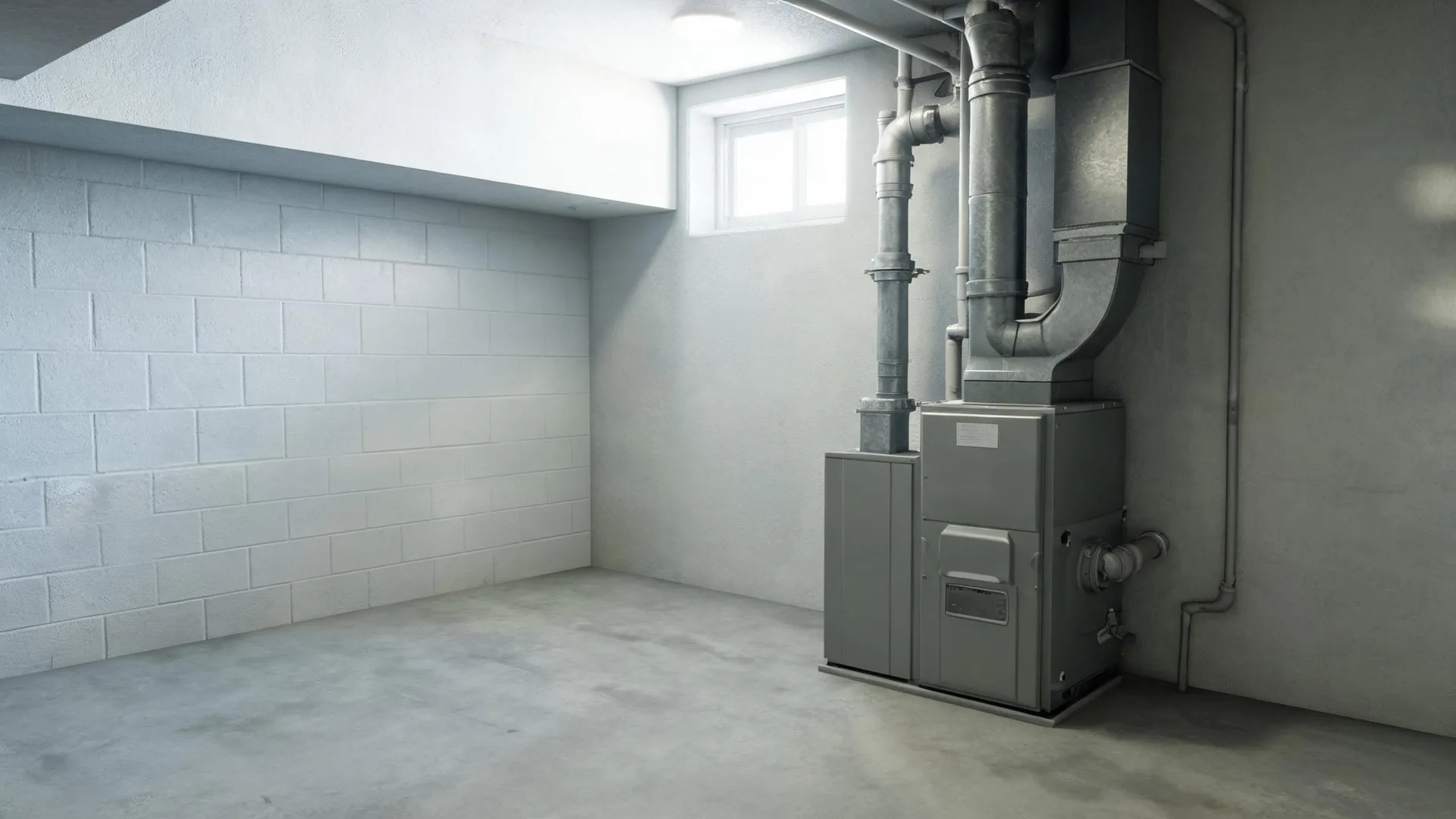
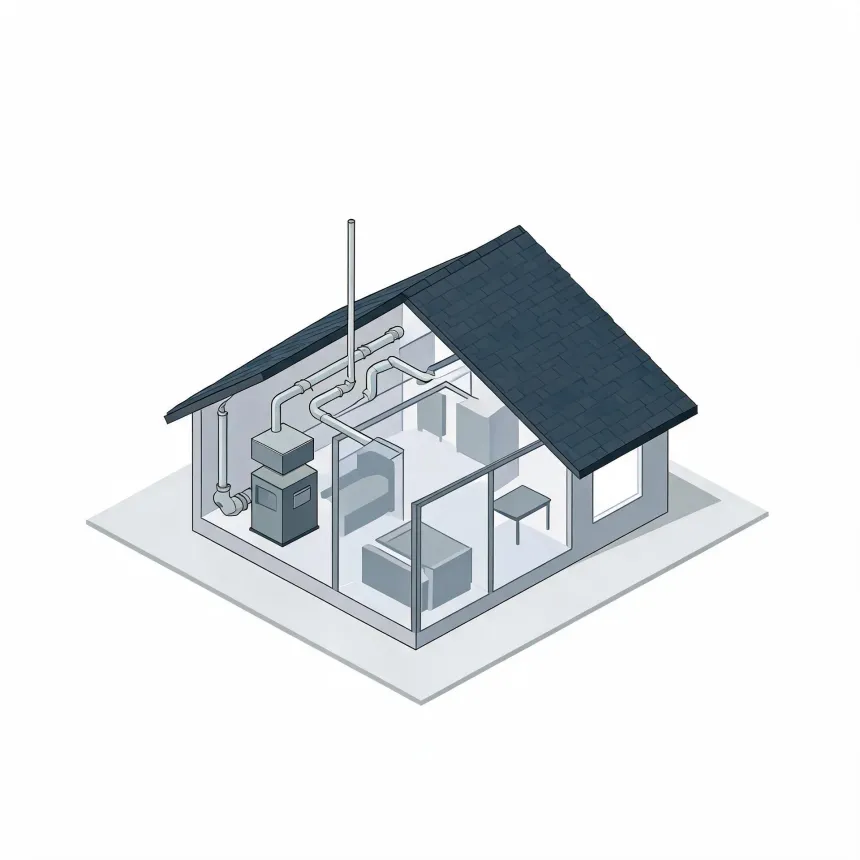
Installation starts with the old furnace coming out, and that's often the longest part of the day if the ductwork or gas line needs any changes to fit the new unit. The new furnace gets set in place, connected to the gas line, the ductwork and the vent. The vent matters as much as the furnace itself. A high efficiency furnace vents through PVC pipe, not the old metal flue, because the exhaust runs cooler and would condense inside a metal chimney. Once it's hooked up, a contractor fires it and checks the gas pressure, the temperature rise across the heat exchanger and the flame itself, since a steady blue flame means it's burning clean. Then they test the thermostat and run the system through a full cycle before calling it done. A straightforward swap, same location and same venting, takes less time than one where the vent type changes or the ductwork needs rework.