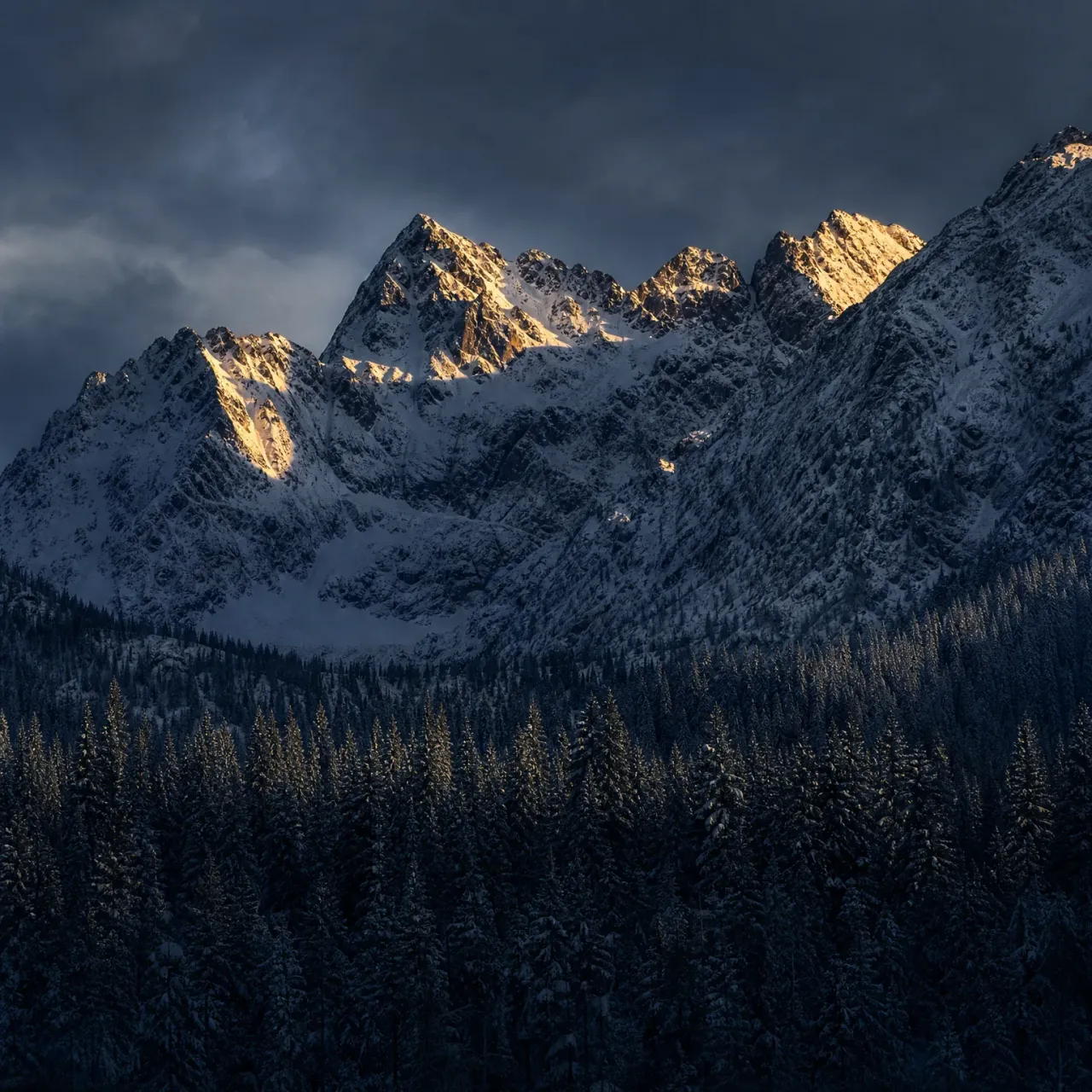
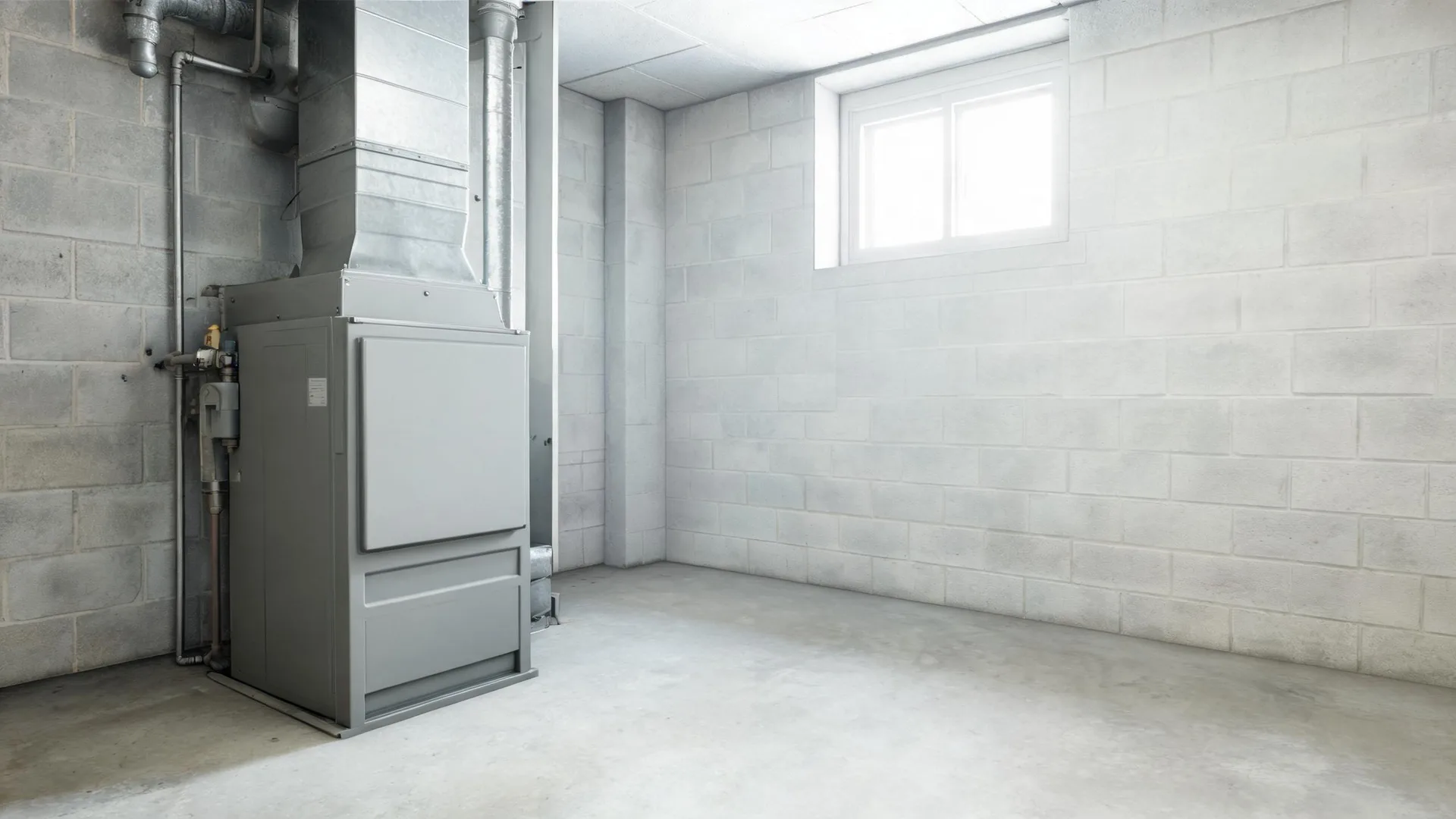
An unfinished basement featuring concrete block walls, exposed floor joists, a bare concrete floor, and a forced-air furnace with a large metal exhaust duct in the corner.

Furnace Installation in Townsend, MT

Tell us about the job

Takes about a minute. No obligation.

New system or replacementFurnace or heatingBroadwater County, MT
Step 1 of 2

What ZIP code is the job in?

Ask for a load calculation, not a guess

A contractor should size your furnace by figuring the actual heat loss of your house, room by room. If someone quotes a number before looking at your windows, insulation and layout, they're just matching what's already there, whether or not it was right to begin with.
Ask what happens to your ductwork

A new furnace moving different airflow than the old one can run into trouble if the existing ducts weren't built for it. Ask whether your ducts were inspected, and whether any runs need to be sealed, resized, or added before the new unit goes in.

10 months
September through June, your furnace is on duty
16°F
the average winter night it heats against
80% AFUE
the federal minimum any new unit must meet
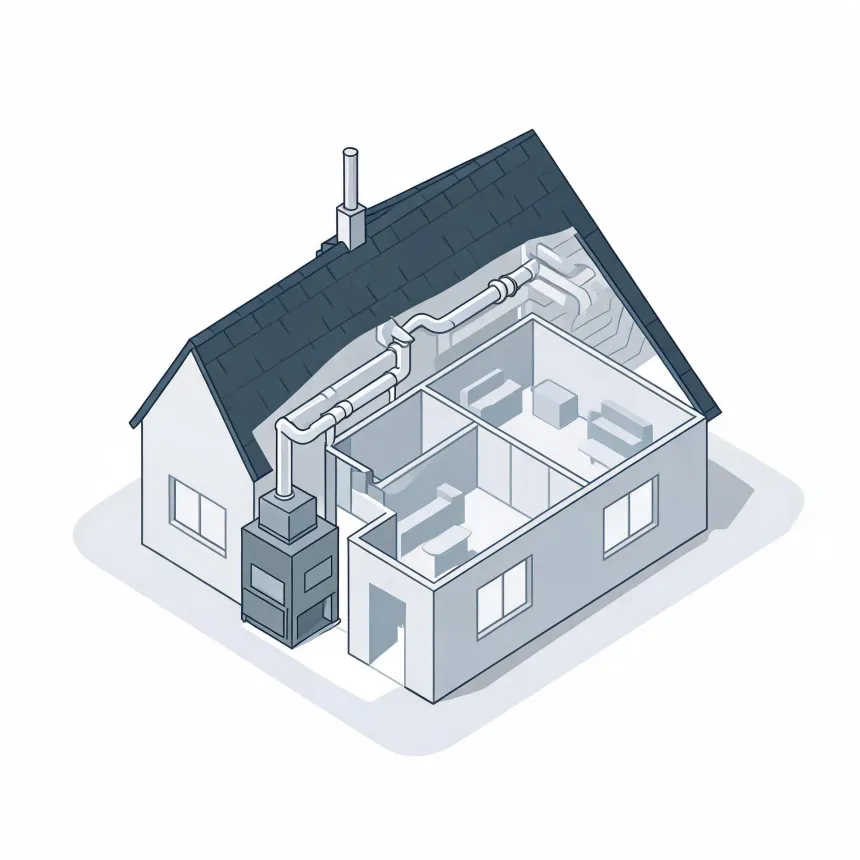
Isometric line illustration of a cutaway single-story house with a dark shingled roof, showing interior rooms and ductwork connected to a gray furnace unit with a flue pipe.
Your furnace works hardest from October through April.

NOAA nClimDiv, 1991–2020 normals

The AFUE number on the label tells you how much of the fuel it burns turns into heat for your house.

A higher number costs more up front, so weigh that against how long you plan to stay in the house and heat it.

Most of Townsend heats with propane, and a new furnace should match that

43.3% of homes heat with propane
Heat runs September through June
Winter nights average 16°F
Have your new furnace in before SeptemberHeat runs here from September through June, about ten months a year.

The furnace itself is only part of what you're paying for. Sizing takes real work, and so does fitting a new unit into a house that already has ductwork, a vent system and a gas line built around the old one. If the new furnace is a different size or a different stage of burner, the ducts may need changes to move the air right, and the venting may need to change to match how the new unit exhausts. Labor accounts for a lot of this, especially if the installer has to rework duct runs or relocate the unit rather than drop one in where the last one stood. The cabinet, the heat exchanger, the blower motor and the control board all vary by tier, and a contractor can walk you through why one unit costs more than another, feature by feature, rather than just naming a price.

Propane here runs $22.28 per million Btu. AFUE decides how much of it heats your house.

Propane in Montana runs $22.28 per million Btu, and that furnace will burn it through most of the year. The AFUE rating on the unit you pick decides how much of that propane turns into heat in your house instead of going out the vent. Get a load calculation and compare AFUE numbers before you settle on a unit.

Find a contractor
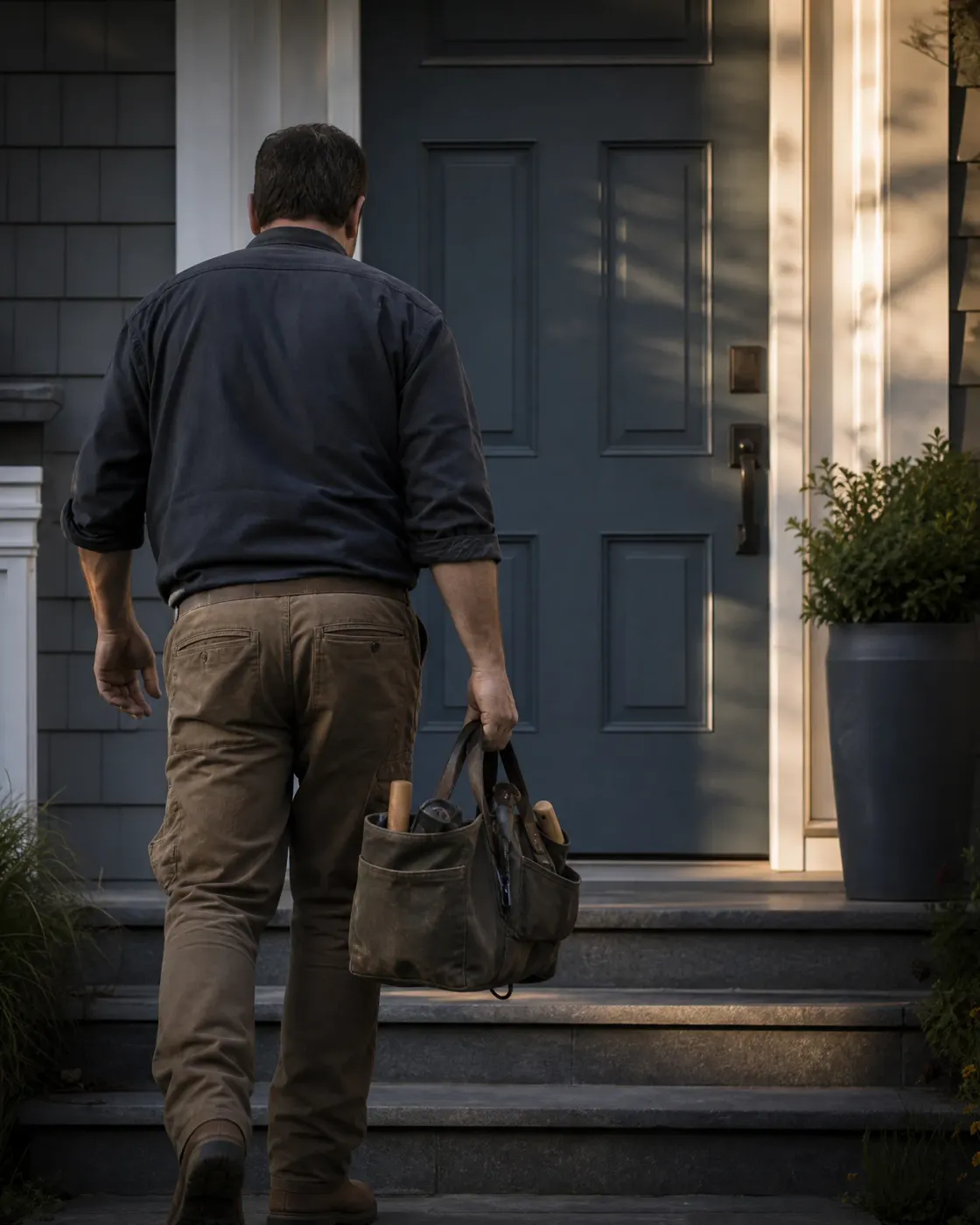
A man seen from behind in a dark shirt and tan work pants carries a canvas tool bag up stone steps toward a gray panelled front door of a shingled house, with a potted shrub beside the entry.
A gray gas furnace with attached ductwork and piping installed in an unfinished concrete basement.

This furnace will run most of the year

Ten months of heat a year is most of the calendar. Add nights that average 16°F through December, January and February, and the furnace going in this year is going to run longer than one in most other counties, and work harder while it does. That's a reason to size it to the house. A furnace that's too big will short-cycle through all those months. One that's too small will run flat out and still lose the coldest nights.

The old furnace has to come out clean

Disconnecting it means capping the gas line, pulling the vent connection, and in some cases cutting it out of ductwork it was built into. If the old unit vented through a chimney, that chimney may need to be capped or lined differently once the new furnace vents a different way. This is part of the install, not an afterthought.

An old furnace can't just go in the trash

The cabinet is sheet metal and the heat exchanger inside it is usually steel or aluminized steel, both recyclable, but the unit still needs to be hauled off and broken down properly. Ask whether removal and disposal of the old furnace is included in the install quote or billed separately.

An unfinished basement containing a gray HVAC furnace with ductwork, exposed wooden joists, a concrete floor, and miscellaneous clutter in one corner.

A high-efficiency propane furnace would save about $160 a year to run in Broadwater County compared with a propane furnace.

  • A high-efficiency propane furnace$750 a year
  • A propane furnace$910 a year

Estimates for a typical Broadwater County home, from EIA household energy data, Montana fuel prices and NOAA climate normals. Your home will differ.

Installation day starts with the old furnace coming out, then the new one gets set, leveled and connected to the gas line, the ductwork and the vent. The gas line gets pressure tested before anything is lit. Once the furnace is hooked up, the installer runs it through a full cycle, checking the flame, the vent draft and the temperature rise as air moves across the heat exchanger. That temperature rise has to fall inside a range set by the manufacturer. Too high or too low and something upstream needs adjusting, whether that's the blower speed or a duct restriction. Before anyone leaves, the system should run a full heating cycle while you watch, so you know what normal sounds and smells like from day one.