






An unfinished concrete basement containing a gas furnace with sheet-metal ductwork, utility shelving, and exposed overhead joists.

Furnace Installation in Roundup, MT

Tell us about the job

Takes about a minute. No obligation.

New system or replacementFurnace or heatingMusselshell County, MT
Step 1 of 2

What ZIP code is the job in?

Propane ran $22.28 per million Btu in Montana in 2024. That is the fuel most furnaces here burn, and it is not cheap to waste. A furnace that converts more of that propane into heat for the house, instead of sending it out the flue, costs less to run every single month of winter. Over a heating season that runs long in Roundup, that difference adds up fast. The furnace you install is not just keeping the house warm, it is deciding how much of that propane bill is actually buying you heat.

9 months
September through May, your furnace is on duty
15°F
the average winter night it heats against
80% AFUE
the federal minimum any new unit must meet
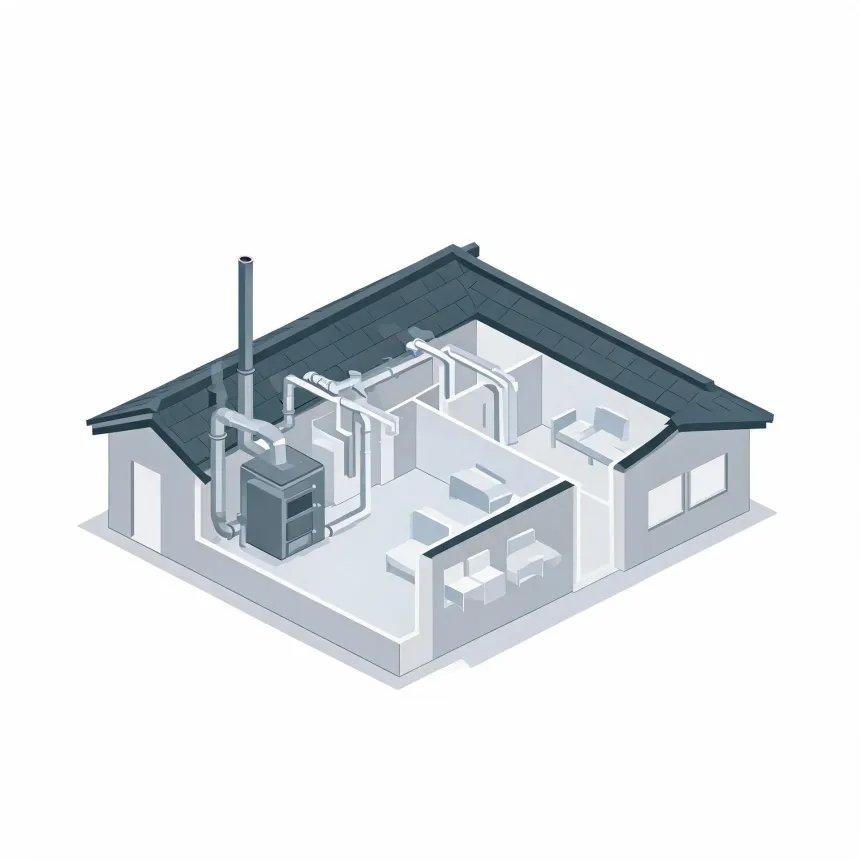
Isometric cutaway illustration of a single-story house showing interior rooms with a dark furnace unit, connected ductwork, a vertical flue pipe through the roof, and simple furniture, on a white background.
Your furnace works hardest from November through March.

NOAA nClimDiv, 1991–2020 normals

Furnaces in Musselshell County start running in September.

Replace it in August and the job happens on your schedule, not during the first cold snap.

Most homes near Roundup run on propane, so a new furnace usually means matching what's already there

54.6% of homes heat with propane
Heat runs September through May
Winter nights average 15°F
Nine Months of Work a YearFurnaces in Musselshell County run from September through May.

Musselshell County falls under zone 6B in the 2021 energy code, built for places with long, cold winters like this one. Any furnace installed here has to meet that standard. Right now that means turning at least 80 percent of the gas it burns into heat over the winter, the rest lost out the flue. That floor is already set in federal law, and it climbs to 95 percent for furnaces built on or after December 18, 2028. A furnace meeting that higher mark wastes a lot less propane than one built to today's minimum.

The furnace you choose decides what this winter costs you

Propane prices are not something a furnace can change. How much of that propane turns into heat for the house is. Ask what efficiency rating the new furnace carries before it goes in, and pick a system that clears the minimum by a real margin.

Find a contractor
A man seen from behind in a dark long-sleeve shirt, olive work pants and brown boots climbs porch steps toward a gray front door, carrying a waxed canvas tool bag with tools in its outer pockets, beside a potted shrub.
A gas furnace with attached ductwork, gas piping, and condensate lines installed in a concrete-block basement.

Nine Months a Year Means Size It Right

Nine months a year is most of what a furnace does here. Sizing matters more in a house that runs this long, because a unit that's too big short cycles all winter, and one that's too small runs flat out and still can't keep up on the coldest nights. Get a load calculation done for your house rather than matching the old nameplate. The contractor can size it to the house, not to a guess, and that's what keeps September through May from wearing it out early.

The Rating Is a Measured Average

The efficiency number on the label comes from a standard test, not a guess. It tells you what share of the gas burned over a full season turns into heat in the house, on average, across a range of weather. A furnace rated higher at that test wastes less gas through the flue doing the same job. That number does not change based on how the installer sets up the ducts or vents. It is a property of the furnace itself, fixed before it ever reaches the house.

The Rating Only Holds Up If the Install Is Right

A high efficiency furnace can still perform below its rating if the venting is undersized, the gas pressure is off, or the return air is restricted. The rating assumes the furnace is matched to the right size duct system and vented the way the manufacturer specifies. Skip that and the furnace works harder to move the same air, burning more gas than the label promises. The number on the box is a ceiling, not a guarantee. Getting the rated performance depends on the installation matching what the furnace was tested under.

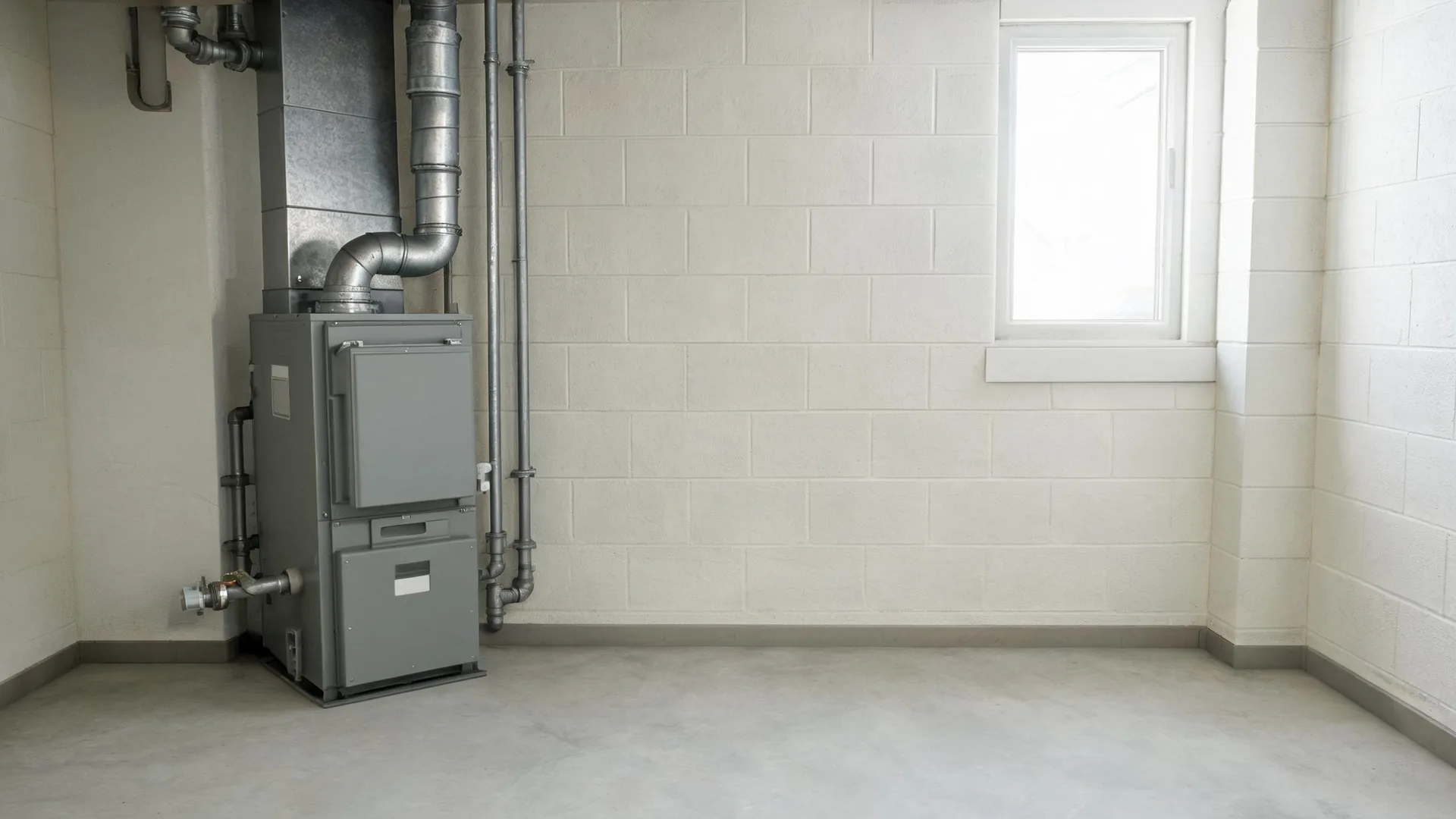
A gray forced-air furnace with sheet-metal ductwork stands in an unfinished basement with exposed wooden joists, concrete walls, and a hanging incandescent bulb.

A high-efficiency propane furnace would save about $140 a year to run in Musselshell County compared with a propane furnace.

  • A high-efficiency propane furnace$680 a year
  • A propane furnace$820 a year

Estimates for a typical Musselshell County home, from EIA household energy data, Montana fuel prices and NOAA climate normals. Your home will differ.

The old furnace comes out first, along with the flue pipe and sometimes the gas line if it needs to move. A contractor checks the ductwork before the new unit ever shows up, because a trunk line built for one size furnace does not always suit another. Setting the furnace means leveling it, connecting the gas line, and running a new vent sized to match the unit, not whatever pipe was already there. Every joint in the gas line gets pressure tested before the burner is ever lit. Once it is running, the contractor checks the gas pressure at the manifold and measures the temperature rise across the furnace, because both numbers have to fall inside the range the manufacturer sets. Only after that gets confirmed does the system get handed back to the house to run on its own.