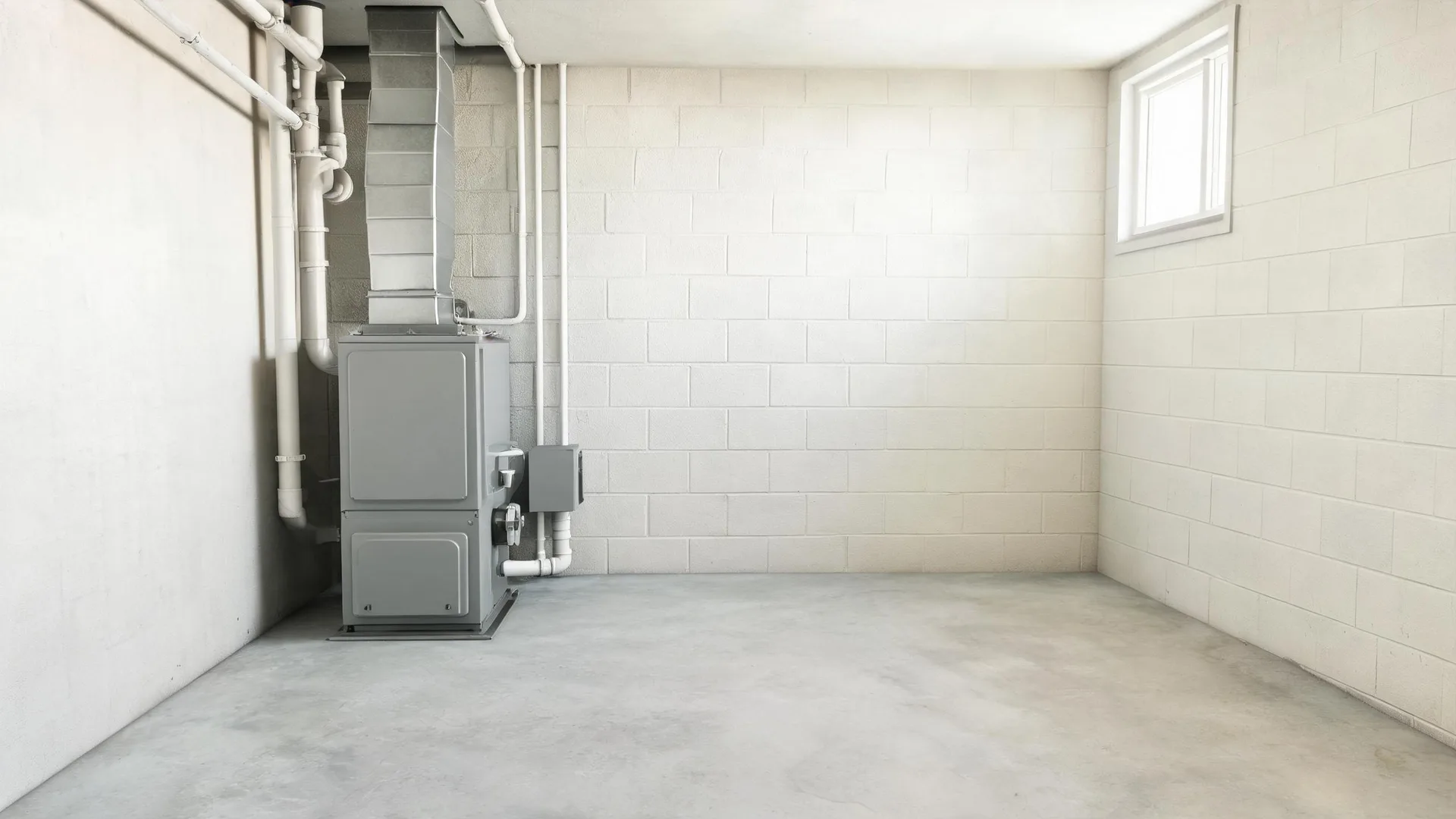
Gas here costs more to burn
Montana homes paid $7.77 per million Btu of natural gas in 2024. A furnace that wastes heat up the flue is wasting money at that rate every time it fires.
Takes about a minute. No obligation.
Montana homes paid $7.77 per million Btu of natural gas in 2024. A furnace that wastes heat up the flue is wasting money at that rate every time it fires.
A new furnace is sized and rated before it ever heats your house. That rating is what determines how much of what you pay for turns into heat, all winter long.
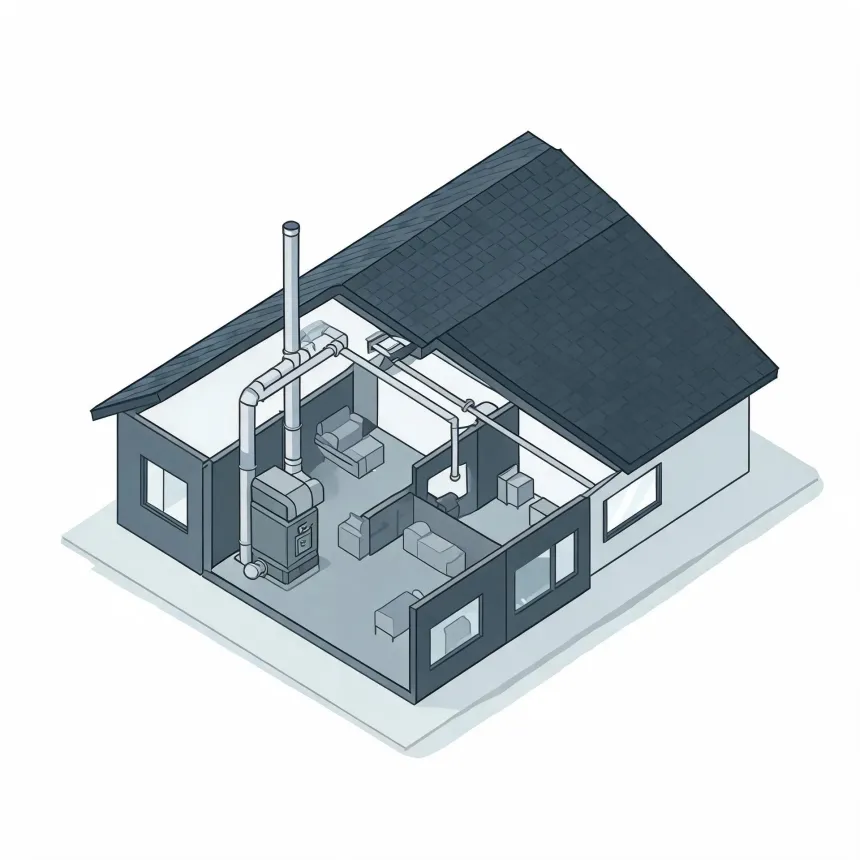
NOAA nClimDiv, 1991–2020 normals
Gas heats just over half the homes in Roosevelt County, more than any other fuel.
Replacing a gas furnace with another gas furnace means the gas line, the vent and the gas meter are already there.




Heat starts in September here, which means August is the month to have a new furnace in. Wait until the first cold snap and you're choosing from whatever unit a contractor can get installed fast, not the one sized right for your house. Furnaces run September through May in Roosevelt County, nine months out of twelve, so there isn't much of a window to get it wrong. Installing in August also means the furnace gets a dry run before the overnight lows drop toward 5 degrees in January. Any issue shows up while it's still an inconvenience, not a night without heat.
A furnace install is the one time you set how much of every dollar of gas becomes heat in your house. At $7.77 per million Btu, that rating keeps paying you back for as long as the furnace runs.
Find a contractorNine months of heat a year means this furnace is almost never off the clock. When a system runs that much, sizing it right matters more than it would somewhere mild. Too big and it short-cycles, wearing itself out in bursts. Too small and it runs flat out just to keep up, which wears it out a different way. Ask what size the contractor is proposing and why, not just what it costs installed.
The efficiency number on a furnace tells you what share of the fuel it burns turns into heat in your house, and what share goes out the flue instead. A furnace with a higher rating wastes less up the vent than one with a lower rating. It says nothing about how big a house the furnace can heat or how fast. That part is up to the contractor sizing the unit to the house, not the label.
A high-efficiency furnace needs its venting, ductwork and airflow set up the way it was designed to run. A restricted filter or an undersized return duct makes the furnace work harder than the rating assumes, and once that happens the number on the label stops describing what the furnace is actually doing. The equipment can only perform to its rating if everything around it lets it.
Estimates for a typical Roosevelt County home, from EIA household energy data, Montana fuel prices and NOAA climate normals. Your home will differ.
Installation starts with the old furnace coming out, along with anything about the venting or ductwork that doesn't fit the new one. The contractor sets the new unit, connects the gas line, and runs the vent to the outside. Ductwork gets connected or adjusted so air moves to every room the way it's supposed to. Once it's wired and the gas line is pressure tested, the furnace gets fired up and run through its paces. A good contractor checks the temperature rise across the heat exchanger, confirms the flame looks right, and makes sure the system shuts off and restarts the way it should. They'll also check static pressure in the ductwork, since that number tells them whether air is moving the way the furnace was designed for. None of that shows up on the invoice, but skipping it is how a furnace ends up running harder than it needs to from day one.