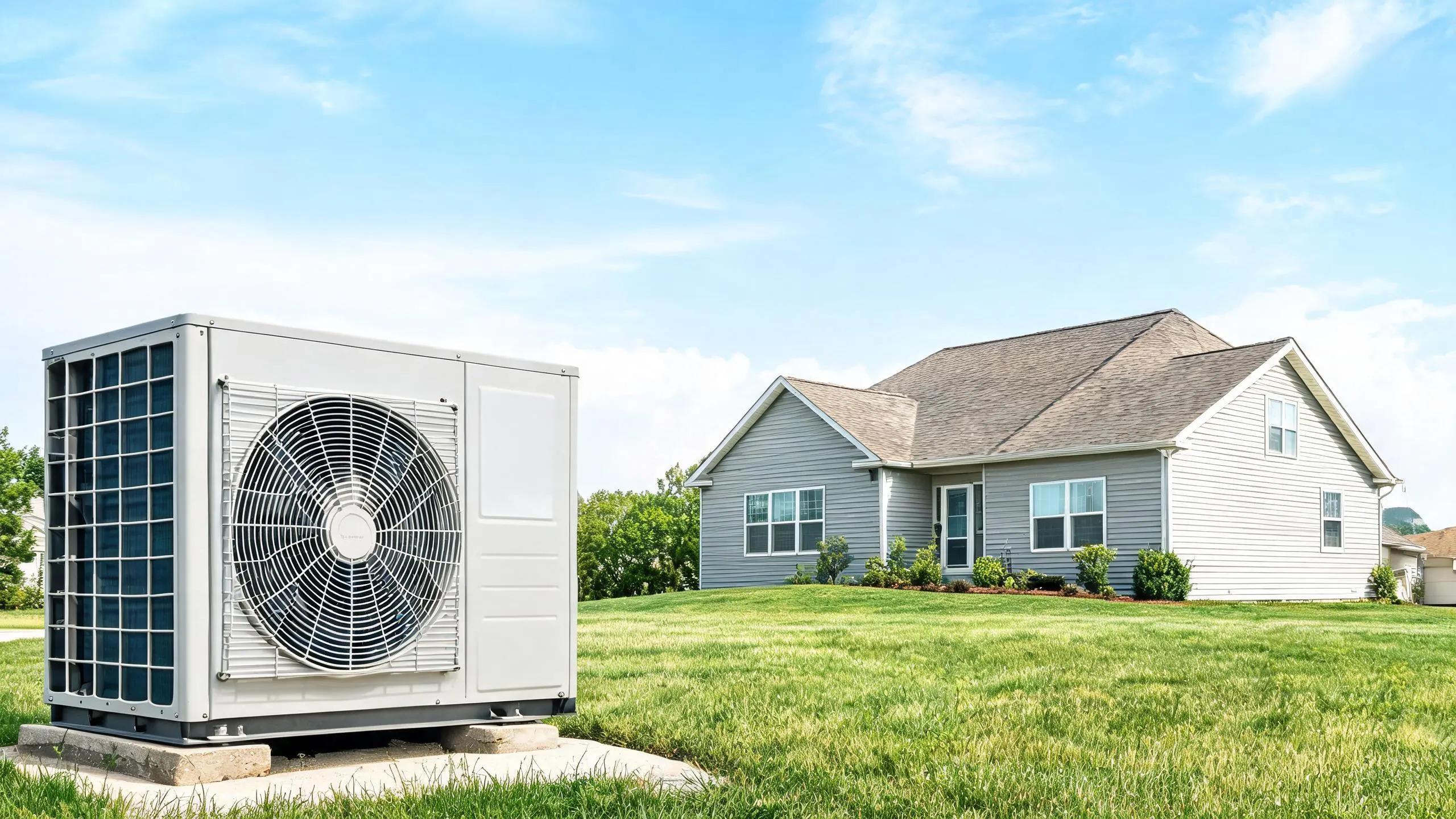
An outdoor HVAC condenser unit on a concrete pad in front of a single-story house with gray siding and a shingle roof.

Heat Pump Repair in Lewistown, MT

Tell us about the job

Takes about a minute. No obligation.

RepairHeat PumpFergus County, MT
Step 1 of 2

What ZIP code is the job in?

Fergus County gets hit often

Fergus County saw 223 severe weather events between 2015 and 2024. That includes 147 damaging wind events, 48 hail events, and 28 winter storms with heavy snow or ice. An outdoor heat pump unit sits outside through all of it.

A unit that still runs may have taken damage

Hail dents the fins on the outdoor coil. Wind throws branches and debris into the cabinet. A heat pump can keep running after either one while losing efficiency or straining the compressor. If a storm has come through, that's reason enough to have the unit looked at.

10 months
September through June, your system heats
2 months
July through August, it cools
14°F
the average winter night it heats against
79°F
the average summer afternoon it cools against
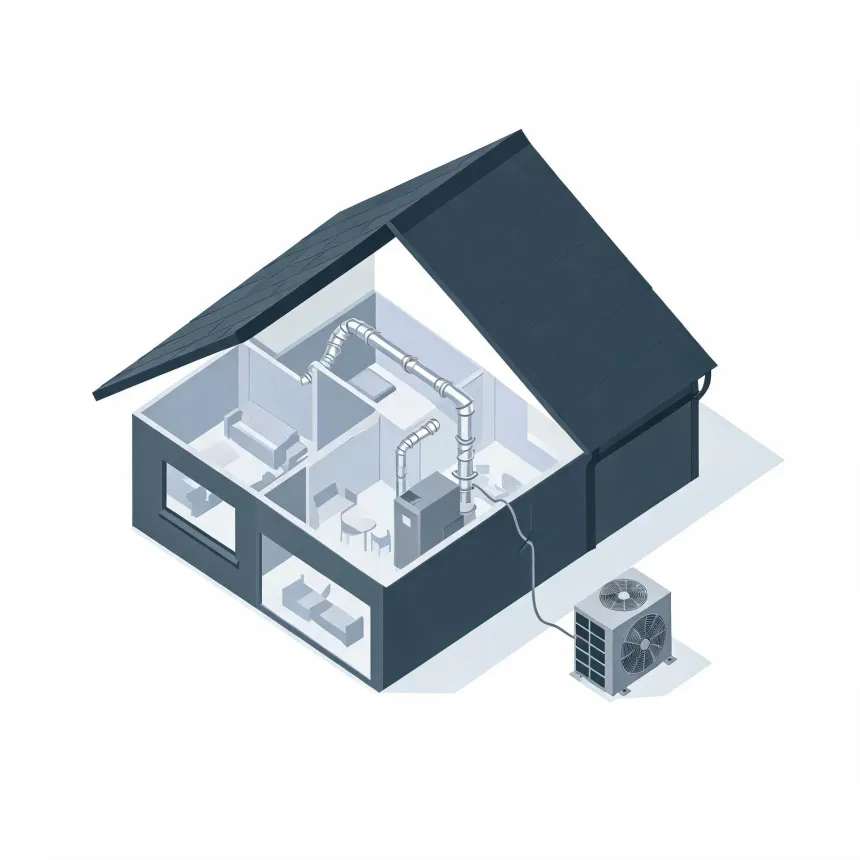
Isometric illustration of a cutaway house showing interior rooms with furniture, a furnace and ductwork, connected by a line to an outdoor condenser unit on the ground outside.
Your system heats September through June and cools July through August.

NOAA nClimDiv, 1991–2020 normals

September is the first full month of heat here, with August the month before it.

A heat pump with a weak part often makes it through summer fine and then fails once it has to carry the heat load.

A machine that sits outside through wind, hail and winter storms earns its wear

147 damaging wind events from 2015 to 2024
48 hail events from 2015 to 2024
28 winter storms from 2015 to 2024

Half the homes in Fergus County were built in 1966 or earlier. That means a lot of the heat pumps in this area are sitting inside ductwork and electrical systems from a much older install, even when the unit itself has been swapped out once or twice since. An older home can still run a heat pump well, but the system has usually been asked to do more over more years. If your heat pump is original to the house, or close to it, a repair bill is worth a second question: how much life does the unit have left. Sometimes the honest answer is that it has already outlasted what you'd expect.

After a storm, get the unit checked before it fails on you

If your heat pump has been through hail or a bad wind storm, have it checked even if it's still keeping the house comfortable. A dented coil or a strained compressor doesn't always show up right away, and a heat pump also matters more here when the power goes out, since 18% of Montana households went at least a day without power last year. Finding a problem now beats losing heat or cooling when you need it most.

Find a contractor
A dark gray heat pump unit mounted on a concrete pad next to a house with gray siding and a stone veneer wall.

Ask what the repair is really buying you

Ask the contractor one question before you approve a repair: how many years does this unit have left. If your heat pump is close to the house's original install, that number matters more than the price of the fix. A compressor repair on a unit near the end of its life is money spent twice. Get the straight answer first, then decide.

The signs are rarely subtle

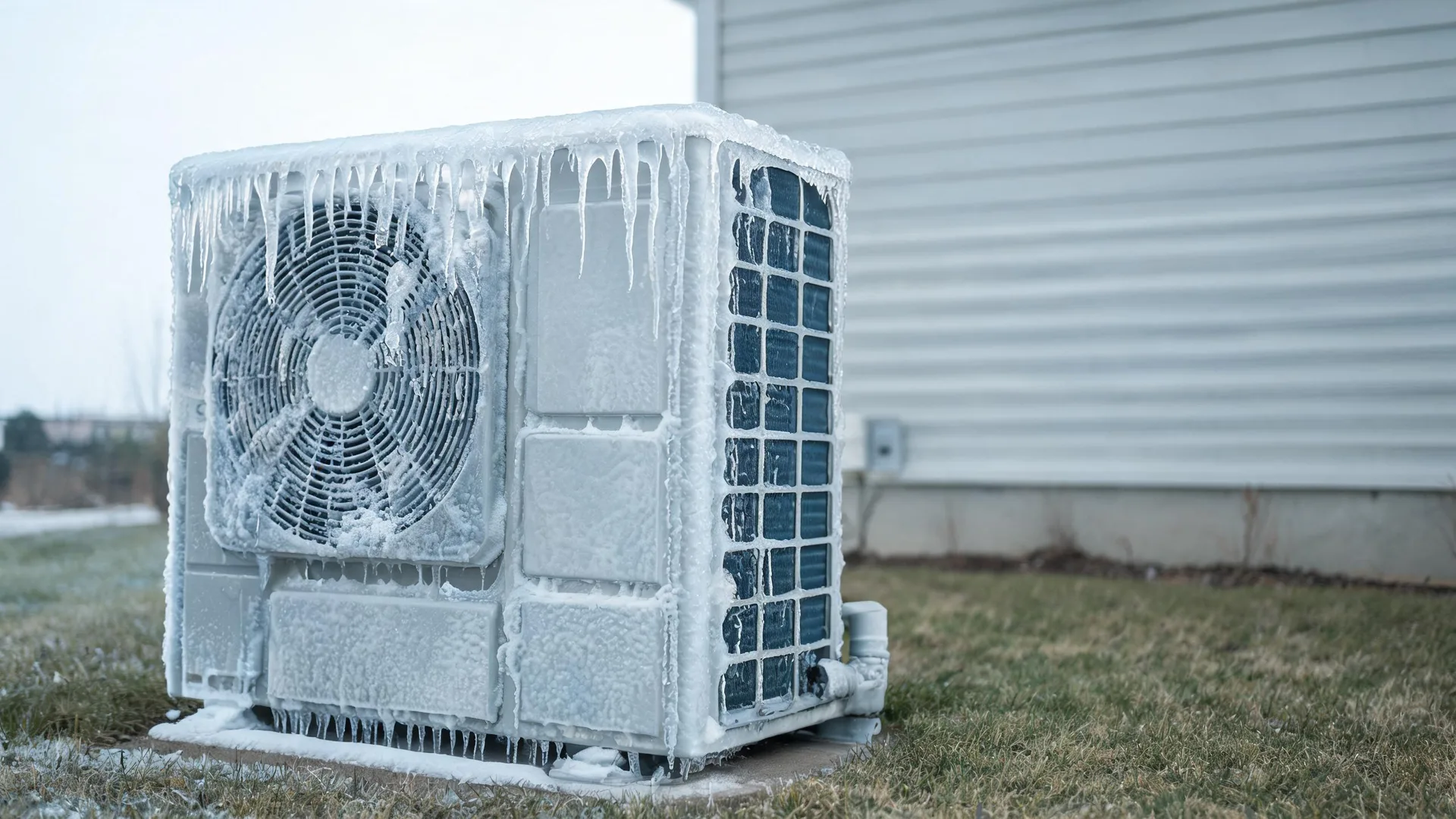
A heat pump in trouble tells you. It blows air that isn't warm enough to matter, or it runs nonstop without the house catching up to the thermostat. Ice builds up on the outdoor coil and doesn't clear during the defrost cycle. The outdoor fan or compressor makes a grinding or rattling noise it didn't make before. It short cycles, switching on and off every few minutes instead of running a full cycle. Any one of these means something inside has already failed or is close to it.

Don't wait for it to quit outright

A heat pump that's struggling usually keeps running for a while before it stops completely, and that stretch is where the damage adds up. A compressor working against a refrigerant leak or a failing capacitor strains harder every time it starts. A reversing valve that's sticking will get worse, not better, on its own. The unit limping along still costs to run, and waiting past the first bad sign usually turns a part replacement into a compressor replacement.

Most heat pump failures start small and in predictable places. The capacitor that kicks the compressor and fan motors on wears out from the heat of normal cycling, and when it goes, the outdoor unit either hums without starting or doesn't start at all. The reversing valve, which switches the unit between heating and cooling, can stick in one position after years of use, so the system keeps blowing the wrong temperature air. Refrigerant leaks show up at joints and valves over time, and a low charge makes the compressor work harder to move heat, which shortens its life. The outdoor coil, exposed to the weather, gets dirty or bent over the years, and either one cuts down how well the unit can do its job. Contactors pit and stick from arcing every time they close, which can leave the compressor or fan running when it shouldn't or not starting when it should. Most of this is wear that builds up gradually, one cycle at a time, not damage that happens all at once.

A heat pump that's taken a hit from wind, hail or a bad winter storm doesn't always show it right away. It might still heat the house fine for weeks before a dented coil or a strained compressor turns into a bigger repair. That's why a proper diagnosis matters more than a quick guess at what's wrong. A tech who checks the coil, the refrigerant charge and the electrical connections can tell you whether this is a simple fix or the first sign of something worse. Get that answer before you pay for a repair, so you're not paying for it twice.