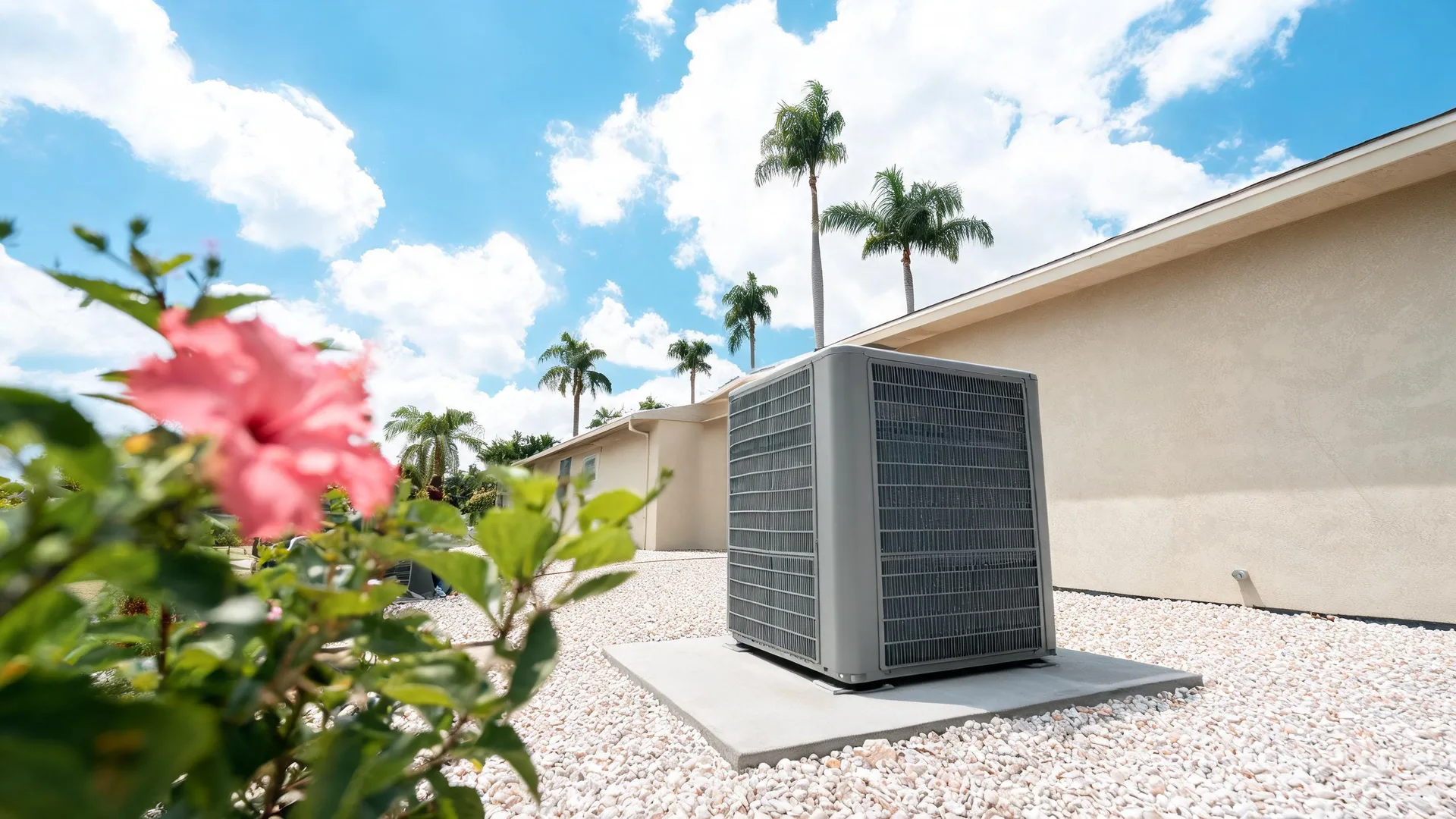
Storms come through often here
Glacier County recorded 250 severe weather events between 2015 and 2024, including 200 damaging wind events and 20 hail events. That outdoor unit sits exposed to all of it.
Takes about a minute. No obligation.
Glacier County recorded 250 severe weather events between 2015 and 2024, including 200 damaging wind events and 20 hail events. That outdoor unit sits exposed to all of it.
Almost one in five Montana households went at least 24 hours without power in 2024. A heat pump can't heat or cool your house during that stretch, and it can't recover on its own if something inside it got damaged first.

Power here runs 11.48 cents a kilowatt-hour, cheaper than most of the country.
A heat pump that's struggling still burns through that low rate fast when it's working harder than it should.




A heat pump that's icing up, short cycling, or running constantly is spending more hours doing less heating. Every one of those hours shows up on the meter, even at a good rate. Don't wait on it. A bad capacitor or a low charge rarely fixes itself, and the longer the system runs like that, the more likely it ends up costing you the compressor instead of just a repair. If something seems off, get it looked at now.
Wind and hail have already come through this year, and more winter storms are coming. If your heat pump took a hit and still seems to run fine, that's worth confirming, not assuming.
Find a contractor
Before anyone comes out, look at the outdoor unit first. Walk around it and check for anything blocking airflow: leaves packed against the coil, a branch resting on top, snow or ice built up against the side. Clear what you can reach by hand, but leave the panels alone. Inside, check your thermostat is set to the mode you think it's in and the batteries aren't dead. Look at the air filter. A filter clogged with dust makes the whole system work harder and can bring on the exact symptoms that feel like a bigger problem. Check the breaker for the unit hasn't tripped. If the outdoor fan isn't spinning at all, that's worth noting before the call, not fixing yourself. None of this tells you what's actually wrong inside the system, but it rules out the simple stuff first.
The outdoor unit holds the compressor, the fan motor, and the coil, and all three sit right in the weather year round. Wind-driven debris nicks the coil fins and blocks airflow across them. Moisture works into the fan motor bearings and electrical connections. A run capacitor weakens over time from heat cycling and eventually can't give the compressor or fan motor the jolt they need to start, which shows up as humming or a unit that won't start at all.
When a heat pump is low on refrigerant from a slow leak, the compressor runs hotter and longer to make up for it, and that shortens its life. Ice building up on the outdoor coil when the defrost cycle isn't working right makes the compressor work against frozen metal instead of moving heat. By the time a homeowner notices weak heating or short cycling, the root cause has usually been building for a while, which is why a strange sound or a system that won't hold temperature is worth checking before it takes the compressor down with it.
Most heat pump problems show up as a change the homeowner can feel before anyone names the part. Heat that never quite catches up to the thermostat setting, especially as the outdoor temperature drops, often points to a system low on refrigerant or a reversing valve that isn't shifting all the way into heating mode. A unit that turns on and off in short bursts instead of running a full cycle is short cycling, and it puts a lot of wear on the compressor in a short time. A hissing or gurgling sound from the lines usually means refrigerant moving somewhere it shouldn't. Grinding or squealing from the outdoor unit points to a failing fan motor bearing. Ice on the outdoor coil that doesn't clear during the defrost cycle means that cycle isn't working right, and the system is fighting frozen metal instead of moving heat. Any of these on their own is worth a call. Several at once usually means the system has been struggling for a while before anyone noticed.
A diagnostic visit starts outside at the unit itself, checking refrigerant pressures, electrical connections, and how the compressor and fan motor are drawing power against what they should draw. The tech will run the system in the mode it's failing in rather than trust how it looks sitting idle, because a lot of problems only show up under load. Static pressure and airflow across the indoor coil get checked too, since weak airflow mimics a refrigerant problem and sends someone chasing the wrong fix. The reversing valve gets tested directly if heating and cooling seem off, rather than guessed at, because a valve stuck halfway can look like a dozen other things. Expect the panels to come off both the outdoor and indoor units. A tech who diagnoses a heat pump without opening it up is guessing, not checking.