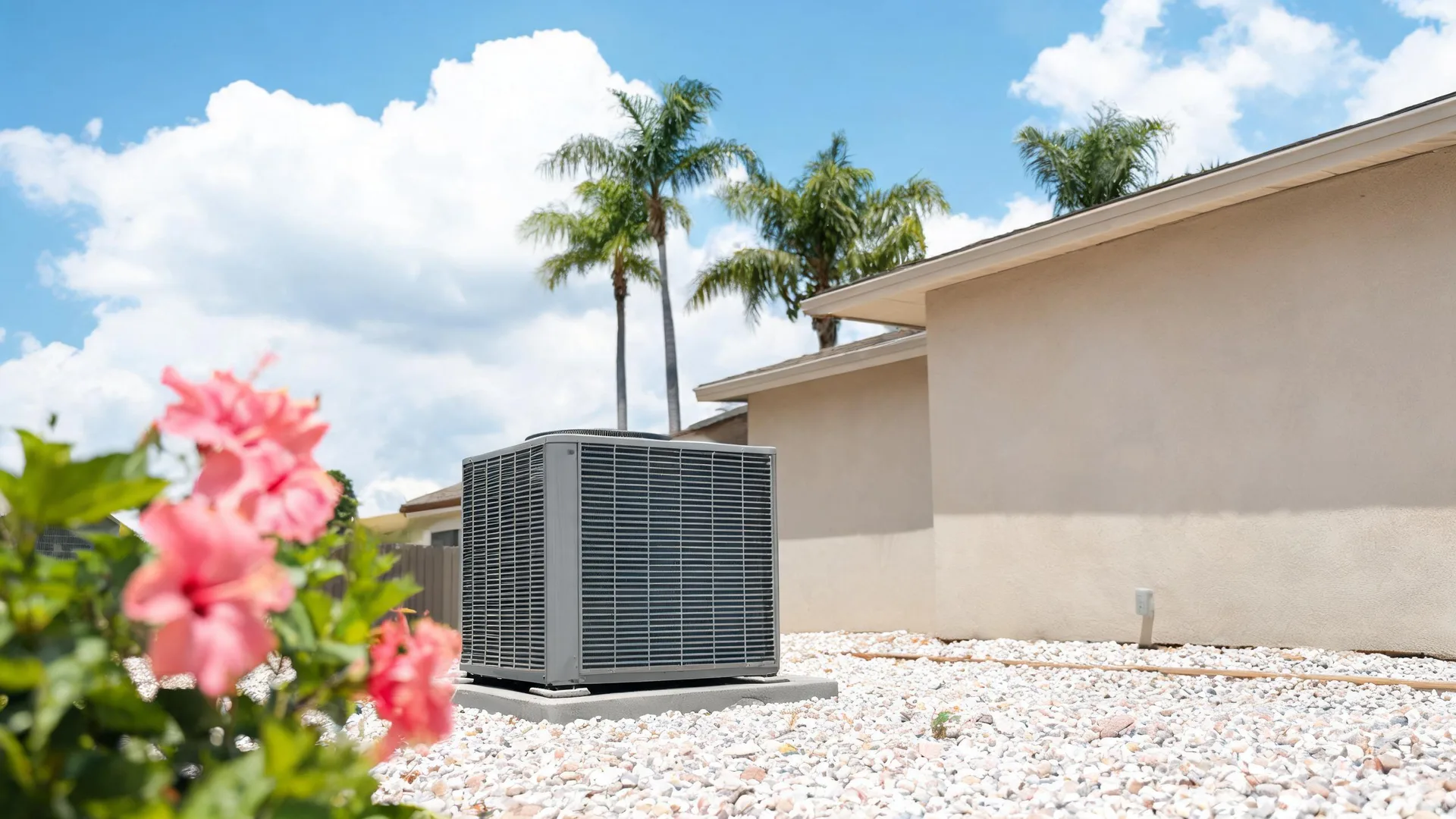
This county sees real storms
Pondera County logged 260 severe weather events between 2015 and 2024. Damaging wind came through 212 times, and winter storms with heavy snow and ice hit 40 times in that same stretch.
Takes about a minute. No obligation.
Pondera County logged 260 severe weather events between 2015 and 2024. Damaging wind came through 212 times, and winter storms with heavy snow and ice hit 40 times in that same stretch.
That outdoor unit sits outside through all of it, wind-blown branches, hail, ice building up on the cabinet. A heat pump that still runs after a storm can have a bent coil fin or a cracked line nobody can see from the yard.

Heat pumps here start working in August and run clear through June.
Get it looked at before August, because a weak part usually fails in those first cold weeks, not before.




A heat pump that's struggling doesn't idle, it runs longer to make up for whatever's wrong with it. A low charge or a failing part makes it work harder for the same heat, and that shows up on every bill until someone fixes it. With power priced low here, that's the only lever on your bill that's actually being pulled. Letting it run wrong through a Conrad winter just means paying that penalty for months instead of days. Getting the actual problem diagnosed now stops the bleeding instead of covering it up.
A heat pump can run fine after a storm and still be hiding a bent fin or a cracked line. Have the outdoor unit inspected now, before a hard freeze turns a small problem into no heat at all.
Find a contractor
This system doesn't get a break. It runs cooling through the hot dry stretch, then switches over and carries the heat all winter, day into night, with barely a gap between. That's close to year-round duty on the same unit. If yours has been in since the house was built, ask whoever comes out how much is left in it before you pay for a major repair. A compressor near the end of its life isn't always worth chasing with parts.
A heat pump low on charge will still blow air, so it's tempting to let it ride. But the compressor was built to pump liquid, not vapor, and a low charge means it's pulling more vapor through on every cycle. Keep running it like that and the compressor overheats and wears from the inside, until a low charge turns into a dead compressor.
A blower or fan motor pulling bad bearings or a failing capacitor doesn't just run noisy. It draws more current to turn against that resistance, and the windings heat up past what they're built for. Shut it down and a motor like that can sometimes be saved. Keep it running and the windings short out for good, and the whole motor needs replacing instead of just the capacitor.
Most heat pump trouble shows up before the machine quits outright. Short cycling is one of the clearest signs, the unit kicking on and off every few minutes instead of running a full cycle. Air that's blowing but never feels warm enough in winter or cool enough in summer often points to a charge problem or a reversing valve that isn't shifting all the way. Ice building up on the outdoor coil and not melting off during the defrost cycle means that cycle isn't working right. A hissing or bubbling sound near the lines usually means refrigerant escaping somewhere it shouldn't. Grinding, squealing or a hard metallic bang when the unit starts is a motor or compressor telling you it's struggling before it fails for good. None of these fix themselves, and all of them get more expensive the longer they run.
What's actually failing matters more than how old the unit looks. A failed capacitor or a bad contactor is a small job, and a heat pump that's otherwise sound is worth fixing every time. A compressor on its way out is a different matter, because it's the most expensive part in the system, and the labor to replace one often isn't far off from the cost of a new unit. Refrigerant leaks sit in between. One pinhole in a coil is worth patching, but a system that's leaked more than once usually has a second leak waiting to show up next season. On a system already old enough to be near the end of its life, a failing compressor or a repeat leak is usually the point where fixing it stops making sense. The honest question isn't just what broke, it's whether fixing this one thing buys years or just buys time.