A gravel road bordered by a rustic log rail fence leads past dark-sided houses with metal roofs among tall pine trees.

Heat Pump Repair in Kalispell, MT

Tell us about the job

Takes about a minute. No obligation.

RepairHeat PumpFlathead County, MT
Step 1 of 2

What ZIP code is the job in?

Weather here is rough on an outdoor unit

Flathead County logged 205 severe weather events between 2015 and 2024, including 69 damaging wind events and 12 hail events. That outdoor unit sits outside through all of it, taking wind-blown debris and hail on the coil and fan.


Winter storms add another 124 events

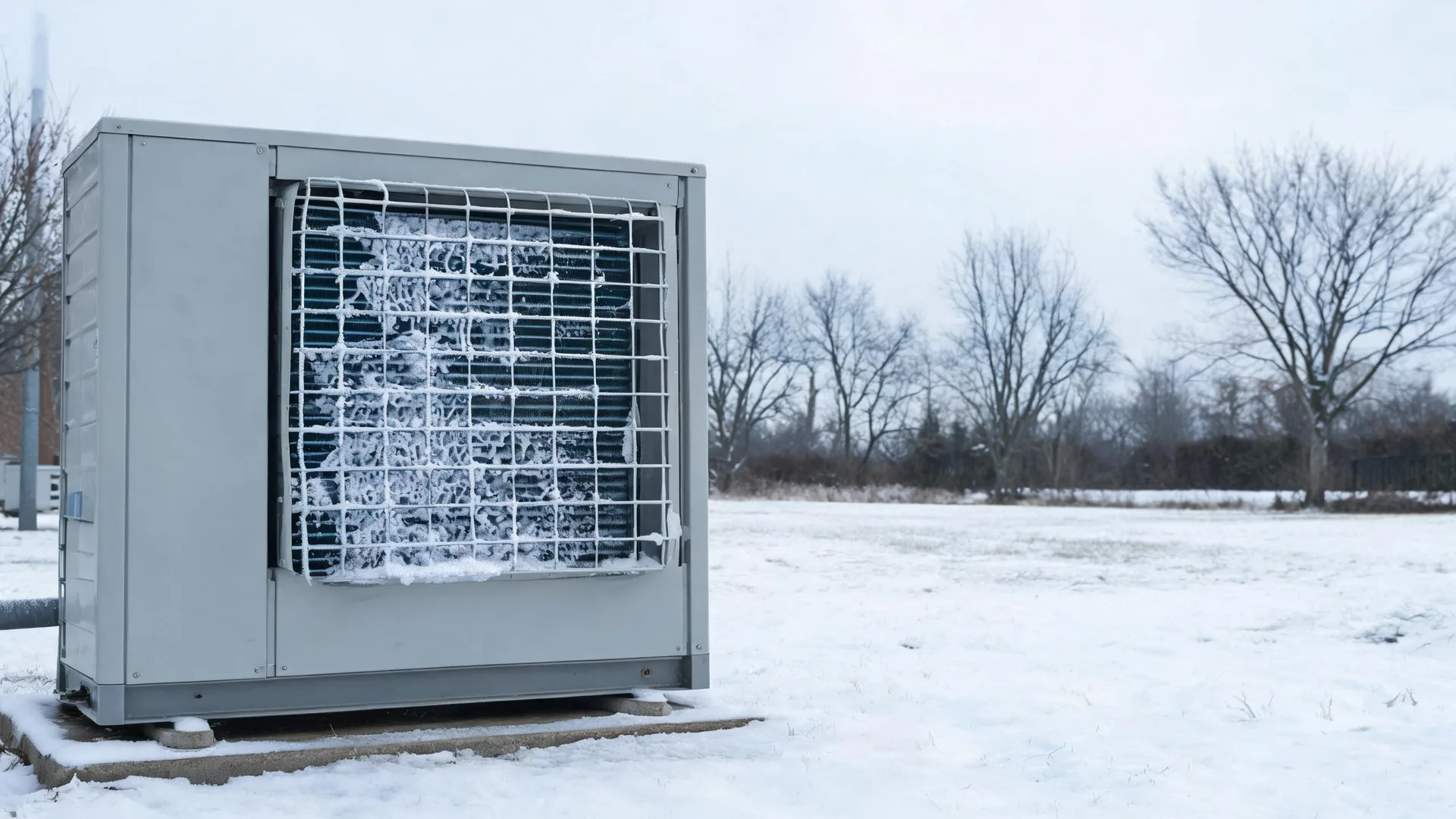
Heavy snow, ice and blizzards hit the county 124 times in that same stretch. A heat pump buried or iced over can still run, but a dented coil or a bent fan blade from a storm months back won't show up until the system is under real load.

11 months
August through June, your system heats
17°F
the average winter night it heats against
72°F
the average summer afternoon it cools against
Isometric line illustration of a cutaway single-story house showing interior rooms, ceiling ductwork connected to an indoor air handler, and refrigerant lines running to an outdoor condenser unit on a pad.

Half the homes in Flathead County were built in 1991 or later.

A heat pump installed with a newer house usually has years of working life left to repair for.

Power here is cheap. A heat pump running wrong still burns it every hour it's broken.

Power here costs 10.17 cents per kilowatt-hour
69 damaging wind events from 2015 to 2024
12 hail events from 2015 to 2024
Heat starts in August hereMost heat pump problems show up the first cold week, not mid-winter

A heat pump that's short cycling, running constantly, or blowing air that's not quite warm enough is still pulling power the whole time it does it. It doesn't shut off because it's struggling. Fixing a stuck reversing valve or a failing capacitor now stops that waste right away. Left alone, the same fault usually gets worse, and the unit draws just as much power doing a worse job of heating the house.

Had the outdoor unit checked since the last storm?

If a storm bent the fan blade or dented the coil, the unit can still run for months before it shows. Get it looked at now rather than waiting for it to quit on a cold night.

Find a contractor
A gray heat pump outdoor unit mounted on a concrete pad next to the stone-accented exterior wall of a house.

Why these parts fail

A heat pump wears out from running, same as any machine that doesn't get a season off. The compressor cycles on in both directions, heating and cooling, so it logs hours year round instead of sitting idle half the year like a furnace does. Contacts in the control board wear from switching on and off. Capacitors lose their charge over years of starting the compressor and the fans. The reversing valve, the part that switches the system between heating and cooling, sees every single one of those switches, and it's usually the first thing to stick or leak. Bearings in the outdoor fan motor wear from spinning for thousands of hours. None of this means a heat pump fails faster than other equipment. It means the usual failures show up as wear on parts that start and stop and switch, not as one big thing breaking all at once.

The outdoor unit won't turn off, or won't start at all

A heat pump that runs nonstop is usually low on refrigerant or losing the fight against a bad sensor telling it the house is colder than it is. One that won't start at all is often a failed capacitor or a control board that's stopped sending power to the compressor. Either way the fix is a specific part, not a reset.

The air coming out doesn't feel right

Air that's blowing but barely warm, or cycles between warm and room-temperature, usually points to the reversing valve stuck between heating and cooling modes, or a compressor that's losing capacity. Ice building up on the outdoor coil that never melts off between cycles means the defrost cycle isn't working. None of these clear up on their own.

A few things are worth checking before anyone comes out. Look at the thermostat first. Make sure it's set to heat, not cool or fan only, and that the set temperature is actually above room temperature. Check the circuit breaker for both the outdoor unit and the indoor air handler, since a tripped breaker on either side will stop the system cold. Walk outside and look at the outdoor unit itself. Clear away any leaves, snow or debris piled against it, because blocked airflow across that coil can make the unit struggle or shut down on its own. Check the air filter, too. A filter clogged with dust chokes airflow through the whole system and can trip a safety switch that shuts the unit down. If the outdoor fan isn't spinning at all, or it's spinning but the unit still isn't heating, that's a sign the problem is electrical or mechanical, not something to keep troubleshooting from the inside.

A heat pump is two machines sharing one cabinet, and that changes how to think about fixing it. The compressor is the expensive part, the one that's hard to justify replacing on its own if it fails outright. The reversing valve, the capacitors, the control board, the defrost sensor, those are parts a tech replaces individually without touching the compressor at all. So the real question isn't the age of the system, it's which part failed. A bad capacitor is a routine repair on a unit of any age. A compressor that's lost its charge repeatedly because of a slow leak is a different conversation, because the leak usually comes back. Ask what failed before asking whether fixing it makes sense.