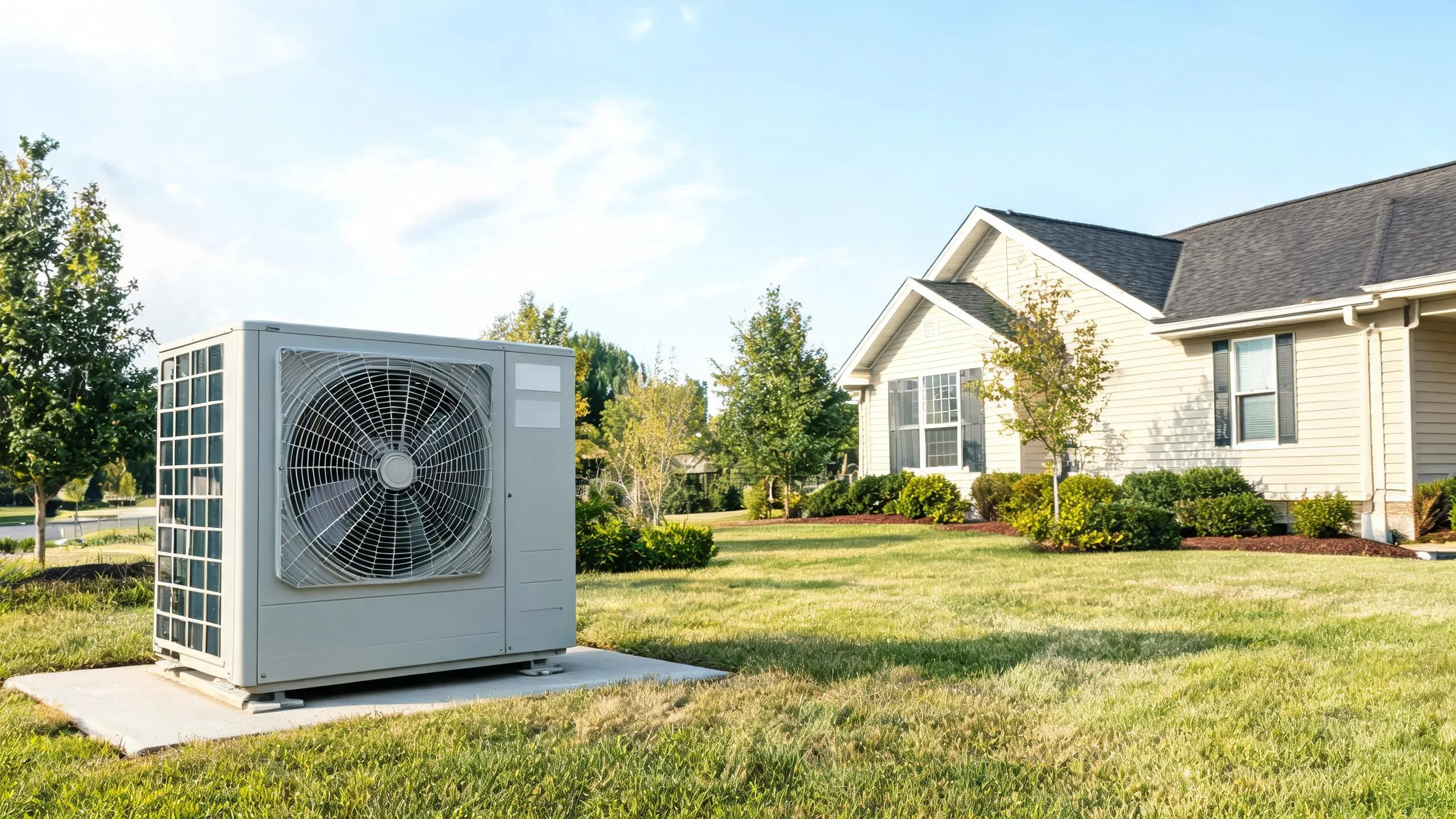




A grey heat pump outdoor unit mounted on a concrete pad in a suburban backyard, with a single-storey house visible behind it.

Heat Pump Repair in Plentywood, MT

Tell us about the job

Takes about a minute. No obligation.

RepairHeat PumpSheridan County, MT
Step 1 of 2

What ZIP code is the job in?

A heat pump works in both directions, moving heat in during winter and pulling it out during summer, so when it acts up the first question is which side is failing. Weak heating but fine cooling, or the other way around, usually points to the reversing valve rather than the compressor. If the compressor itself has failed, that's a different conversation, since the compressor is the most expensive part to replace and doing so can cost nearly as much as a new system. A heat pump that's had its coils cleaned and its filter changed on schedule tends to hold up better than one that's been ignored, no matter how long it's been running. What matters most is the pattern. One repair is just a repair. Several in the same season, each fixing something different, usually means the system is wearing out overall rather than suffering one bad part.

10 months
September through June, your system heats
2 months
July through August, it cools
4°F
the average winter night it heats against
79°F
the average summer afternoon it cools against
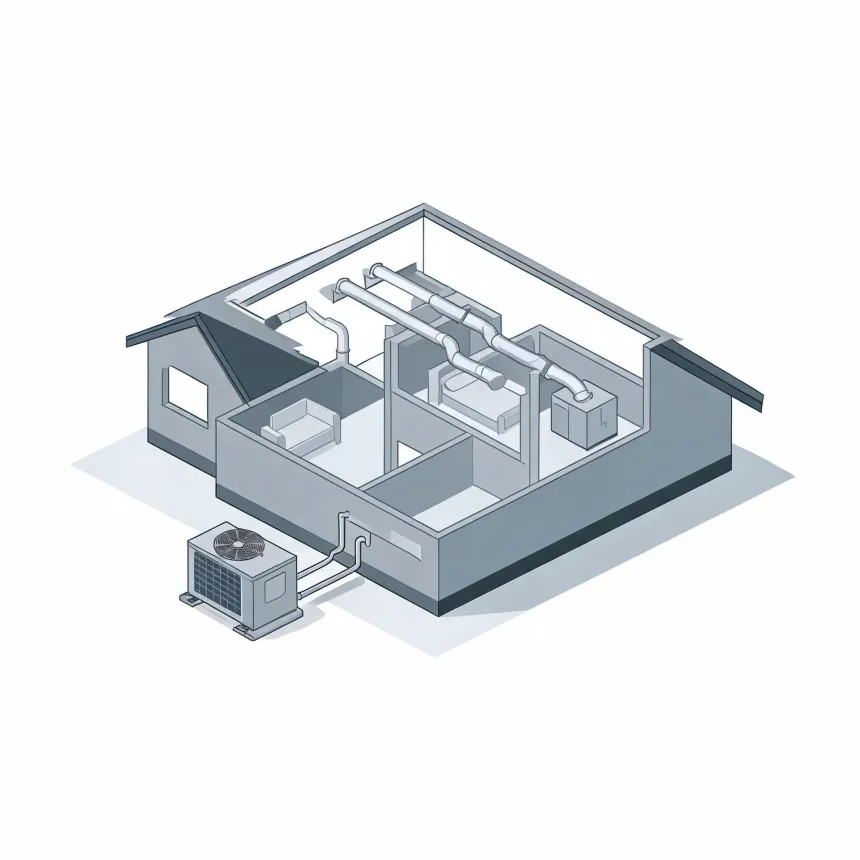
Isometric grayscale illustration of a cutaway house showing interior rooms, ceiling ductwork and an air handler, connected by lines to an outdoor condenser unit on a pad outside.
Your system heats September through June and cools July through August.

NOAA nClimDiv, 1991–2020 normals

Half the homes in Sheridan County were built in 1963 or earlier.

If your heat pump came with a house that old, its age is worth asking about before paying for a big repair.

Electricity here runs 12.66 cents a kilowatt-hour, and a heat pump that's struggling pays that rate every time it kicks on

Power costs 12.66 cents a kWh statewide
39 hail events from 2015 to 2024
30 winter storms from 2015 to 2024

A heat pump in Plentywood earns its keep. Winter mornings average 4 below zero, and that's the kind of cold where the system can't just coast, it has to pull heat out of air that barely has any. Then summer brings hail, 39 events in the county over the past decade, which is hard on an outdoor unit sitting exposed to it. Add 30 winter storms in that same stretch, heavy snow and ice that pile onto the condenser and strain the whole system right when it's working hardest to keep the house warm. A heat pump running under those conditions wears differently than one in a mild climate, and when something finally gives out, that's usually why. Worth finding out which part failed and whether it's one bad component or the system telling you it's done.

Get it looked at before heat season starts in September

Heat here runs September through June, so August is the last quiet month before the heat pump has to carry the house on its own. Whatever's wrong with it now tends to show up again once it's running every day, right at the start of the season.

Find a contractor
A gray heat pump outdoor unit mounted on a concrete pad next to the stone-accented exterior wall of a house.

The system usually tells you before it quits

A heat pump that's starting to fail doesn't usually quit outright. It tells you first. Short cycling is one of the clearest signs, the system kicking on, running a few minutes, then shutting off before it's actually heated or cooled the house. That's hard on the compressor every time it happens. Ice building up on the outdoor unit and not clearing during the defrost cycle is another, since it means the reversing valve or the defrost control isn't doing its job. Airflow that feels weak at the vents even though the system is running points to a failing blower motor or a duct problem, not the heat pump itself. And if the air coming out feels barely warm, or barely cool, when it used to feel strong, that's the system telling you it's losing capacity, not that your thermostat needs adjusting. None of these fix themselves. They get louder.

Check the thermostat first

Make sure it's set to heat or cool as needed and the temperature is actually set past room temperature. Replace the batteries if it uses them. A thermostat that lost its schedule or reverted to a default setting looks exactly like a failing heat pump, and ruling it out takes a minute.
Look at the outdoor unit

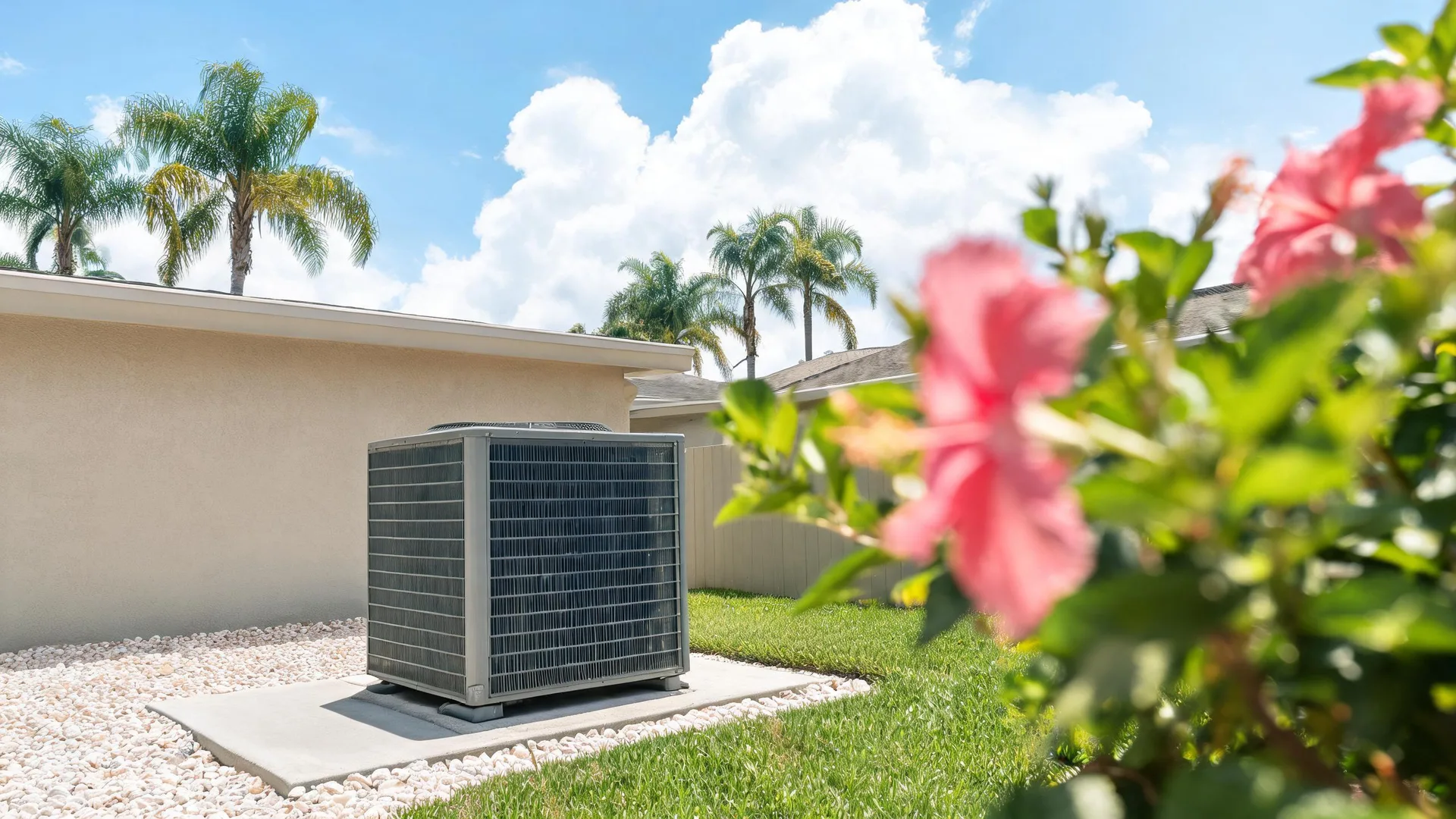
Walk outside and see if the unit is running, iced over, or buried in snow or debris. Clear leaves, snow, or anything blocking airflow around it. If the fan isn't spinning at all, or the whole unit is encased in ice with no sign of a defrost cycle clearing it, mention that to the tech before they arrive. It points them toward the right part faster.

A heat pump losing refrigerant doesn't fail outright, it just works harder to move the same heat, and that extra strain lands on the compressor every time the system cycles. Keep running it low on charge and the compressor can overheat or wear out early, turning a refrigerant leak into a compressor replacement. Short cycling does similar damage over time. Every start draws a surge of current, and a system that starts and stops every few minutes is stressing the compressor far more than one that runs a full cycle and shuts off normally. Ice on the outdoor unit works the same way. A little frost clears in the defrost cycle, but ice that builds up and stays blocks airflow across the coil, so the system pulls in less heat and runs longer to make up for it, which stresses the compressor further. None of these get better with time. Whatever is making the system work harder than it should keeps doing that every single cycle until something gives out.

A diagnostic visit starts outside at the unit itself, checking refrigerant pressure, electrical draw, and whether the reversing valve is switching the way it should. The tech will run the system in both modes if it can manage that, since a heat pump that heats fine but won't cool, or the other way around, points straight at specific parts rather than the whole unit. Gauges on the refrigerant lines tell them if the charge is low, which on its own usually means a leak somewhere that needs finding, not just topping off. Inside, they'll check the air handler, the blower motor, and airflow through the ducts, because weak heat at the vents can come from the heat pump itself or from something further down the line. They'll also pull the defrost control board and check that the outdoor coil is cycling clean, since a system that can't defrost properly will ice up again no matter what else gets fixed. By the end they can usually tell you not just what's broken, but whether it's a single part or the compressor itself, and that changes the whole conversation about what happens next.