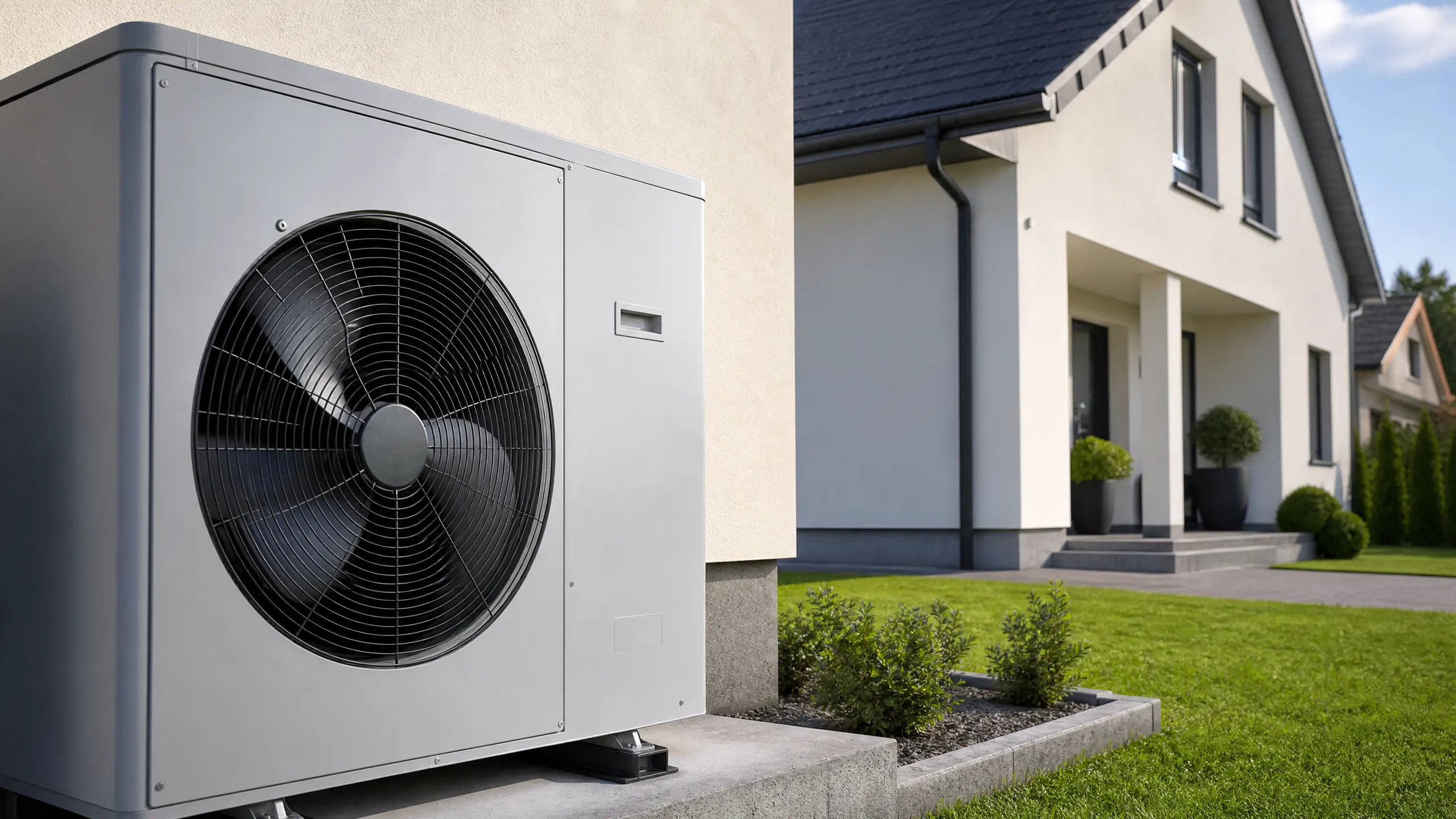





A grey air-source heat pump outdoor unit mounted on a concrete pad next to a modern white-rendered residential house.

Heat Pump Repair in Hardin, MT

Tell us about the job

Takes about a minute. No obligation.

RepairHeat PumpBig Horn County, MT
Step 1 of 2

What ZIP code is the job in?

Big Horn County sees its share of rough weather. Between 2015 and 2024, the county logged 231 severe weather events, including 91 cases of damaging wind and 55 hail events. A heat pump's outdoor unit sits right in the path of that. Hail can dent the cabinet and bend the fins on the coil, and wind-blown debris can get into the fan. The damage is not always obvious from a glance out the window. If a storm has come through since the unit last ran fine, it is worth having someone look at the coil and the fan before you assume everything inside is still working the way it should.

10 months
September through June, your system heats
2 months
July through August, it cools
14°F
the average winter night it heats against
82°F
the average summer afternoon it cools against
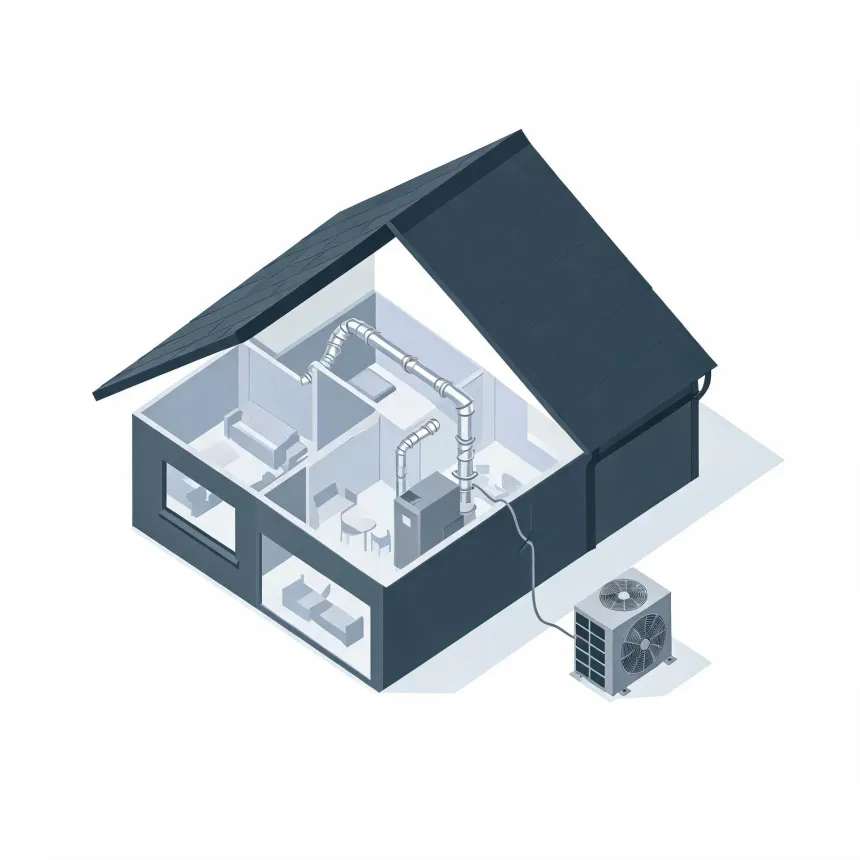
Isometric illustration of a cutaway house showing interior rooms with furniture, a furnace and ductwork, connected by a line to an outdoor condenser unit on the ground outside.
Your system heats September through June and cools July through August.

NOAA nClimDiv, 1991–2020 normals

A heat pump out here runs through hot dry summers and hard winters with no real break.

When one starts acting up, a tech needs to check it properly instead of swapping parts and hoping.

September to June is heat, then two months of cooling

Cooling runs July through August
Heat runs September through June
91 damaging wind events from 2015 to 2024

Electricity here runs 15.08 cents per kilowatt-hour. A heat pump that's low on refrigerant or struggling with a worn part doesn't just work less well, it pulls more power to do the same job. That shows up on the bill before it shows up as a breakdown. Most homes in the county heat with gas, but the heat pump is still doing the cooling load all summer and often carries some of the shoulder-season heating too. A unit working harder than it should runs that way every day it's left alone.

Have the unit checked before you trust it

If hail or wind has come through since the unit last ran right, get the outdoor coil and fan looked at now. A diagnosis will tell you whether it's still sound or just getting by.

Find a contractor
A man in a cap, dark long-sleeve shirt and dirty work pants walks up wooden steps toward a dark gray front door, carrying a canvas tool bag in his right hand, with a potted shrub beside the entry.
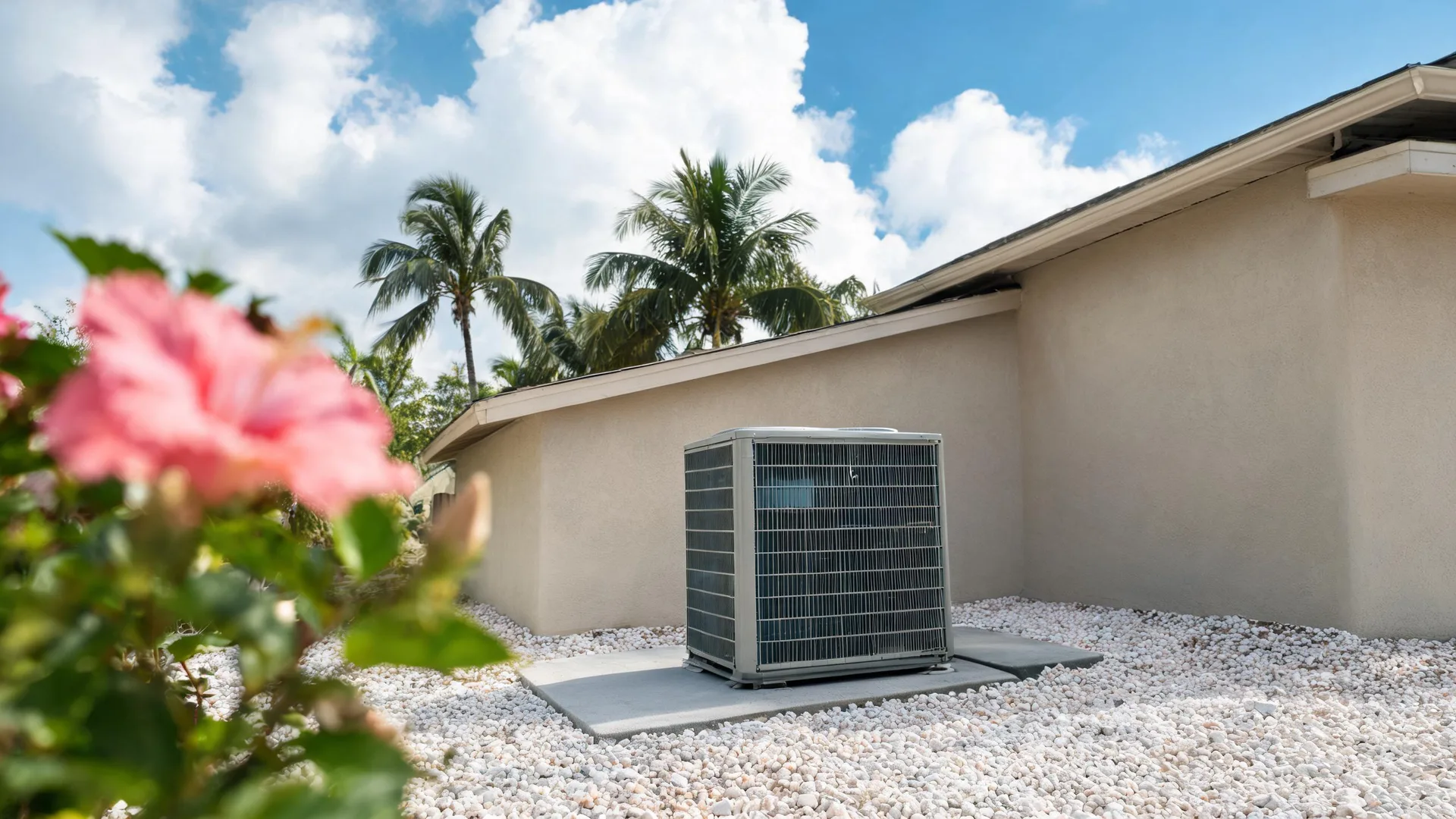
A white mini-split heat pump outdoor unit mounted on a concrete pad beside a gray-sided house, surrounded by gravel and green shrubs.

What to listen for and watch for

A heat pump doesn't usually go from fine to broken overnight. It gives off signs, and most of them show up as a change from how the system used to run. Weak airflow at the vents, air that's lukewarm instead of properly warm or cool, a unit that cycles on and off in short bursts instead of running a steady stretch. Ice forming on the outdoor coil and staying there is another one, especially if it's not cold enough outside to explain it. Listen for it too. A hum with no start, a clank when the compressor kicks on, a fan motor that whines before it ever gets loud enough to notice from inside the house. Any of these is the system telling you a part is struggling before it quits. Catching it at the sign stage, rather than the breakdown stage, is usually what keeps a repair a repair instead of a replacement.

What wears out on its own

The compressor, the reversing valve and the outdoor fan motor all run on a schedule with no days off during the months a heat pump is working. Bearings in the fan motor wear down and start to whine or seize. The reversing valve can stick from built-up grime, leaving the system stuck in one mode or short of either heat or cool. Refrigerant leaks at a fitting or coil joint starve the compressor of the cooling it needs to survive its own operation, and a compressor that overheats enough times will fail for good. None of this needs a storm or an accident. It just needs time and use.
What that means for a repair call

A heat pump acting up isn't always obvious about why. Weak heating or cooling, ice that won't clear off the outdoor coil, short cycling, a compressor that hums but won't start. All of these point to a handful of different parts, and guessing which one costs a second visit. A tech checks refrigerant charge, tests the capacitor and contactor, and watches how the reversing valve switches before calling it. That diagnosis is what tells you whether the fix is small or whether the unit is nearing the end of what it can do.

A heat pump that's struggling doesn't fail cleanly. It gives off signs first, and running it through those signs is what turns a small problem into a bigger one. A compressor low on refrigerant still tries to run, and in doing so it runs hotter than it should, which wears down the windings and the bearings faster than normal use would. A coil caked with ice blocks airflow, so the system works harder to move the same amount of heat and strains the fan motor doing it. Short cycling heats and cools the compressor over and over in a short span, which is harder on it than one long steady run ever is. None of these get better by waiting. They get worse, and the part that could have been repaired on its own sometimes ends up taking the compressor down with it.

A heat pump that's pulling extra power to make up for a bad part keeps doing that every day it runs, not just on the worst days. Fixing it stops the bleed right away. Waiting doesn't save the repair for later, it just adds the extra power draw on top of whatever the repair ends up costing. If the unit is still cooling the house but doesn't feel right, or the outside unit is running longer than it used to, that's worth a call now rather than after the next bill comes in.