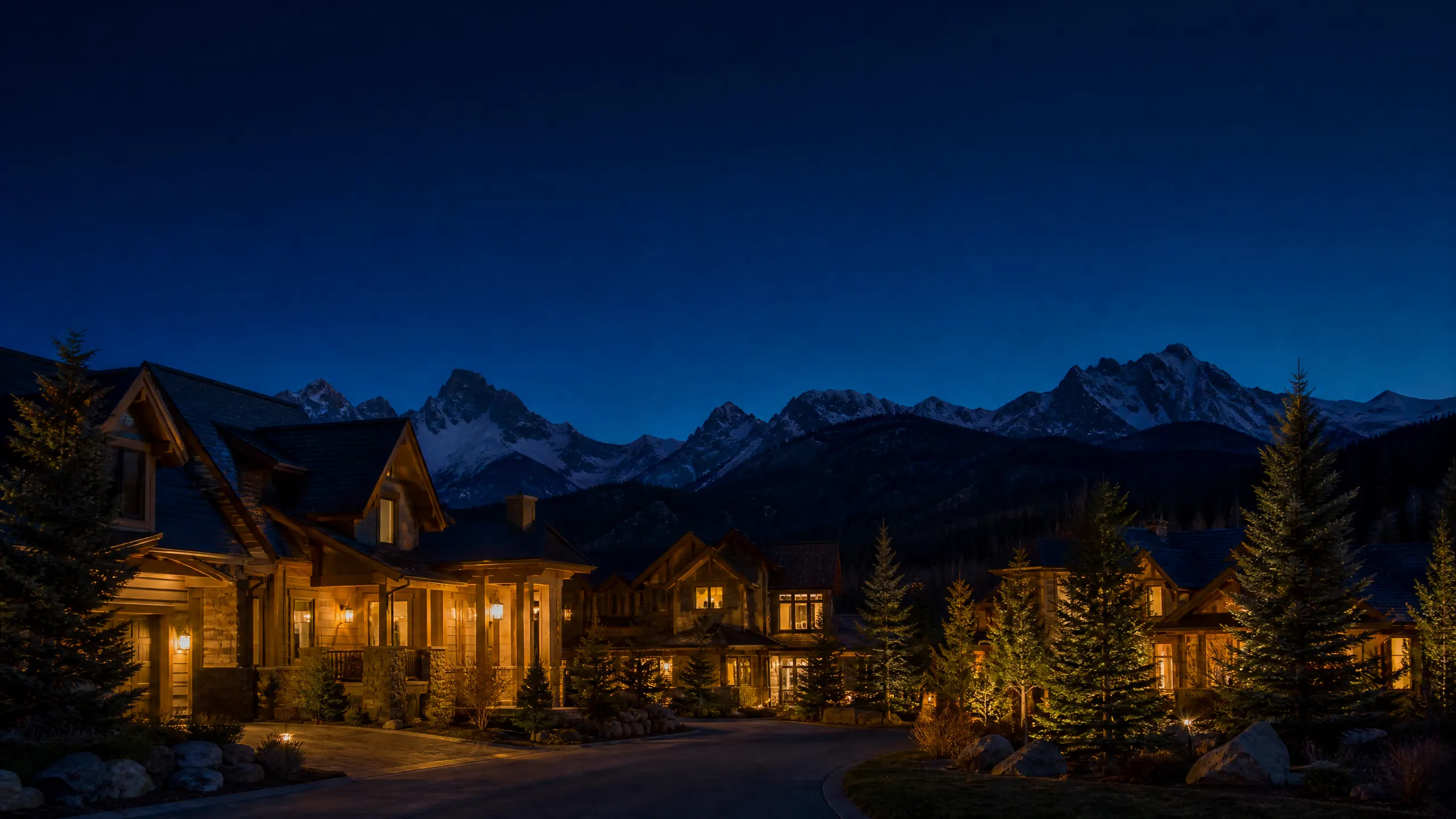
Illuminated timber-and-stone luxury homes photographed at twilight with snow-capped mountains visible in the background.

Heat Pump Repair in Big Timber, MT

Tell us about the job

Takes about a minute. No obligation.

RepairHeat PumpSweet Grass County, MT
Step 1 of 2

What ZIP code is the job in?

Sweet Grass County sees a lot of severe weather

Sweet Grass County logged 398 severe weather events between 2015 and 2024, including 183 damaging wind events, 24 hail events, and 191 winter storms. That outdoor heat pump unit sits outside through all of it, with no wall to protect it.


Wind and hail can hurt the unit without stopping it

A heat pump can keep running after its outdoor coil takes a hit from hail or flying debris. If a storm has come through and the unit looks dented or the fan sounds different, it is worth having someone look at it even while it still blows warm or cool air.

10 months
September through June, your system heats
17°F
the average winter night it heats against
76°F
the average summer afternoon it cools against
Isometric cutaway illustration of a small house showing interior rooms with furniture, an indoor air handler with flexible ducting, and refrigerant lines running to an outdoor condenser unit beside the building.

Half the homes in Sweet Grass County were built in 1979 or later.

A heat pump in one of those homes probably still has good years left in it, and repair is likely the right call.

Built to take a beatingWind hit this county 183 times between 2015 and 2024, and hail 24 more

If your heat pump came with a newer build, get it repaired rather than start looking at replacement. A unit installed with a house from the past few decades hasn't used up its working life, even if something in it has failed. Call out a repair on it the same way you would on any appliance that still has years ahead of it. Replacement makes more sense for a unit that came with an older home and has already been running a long time. Ask whoever comes out how old the unit actually is before you decide anything.

If the storm got to it, get it looked at

Montana households lost power for a day or more at a higher rate than most of the country last year. When the power is out, a heat pump stops, and so does your backup heat if it runs through the same system. If yours is making a new noise or the outdoor unit took a hit, get it checked before you need it.

Find a contractor
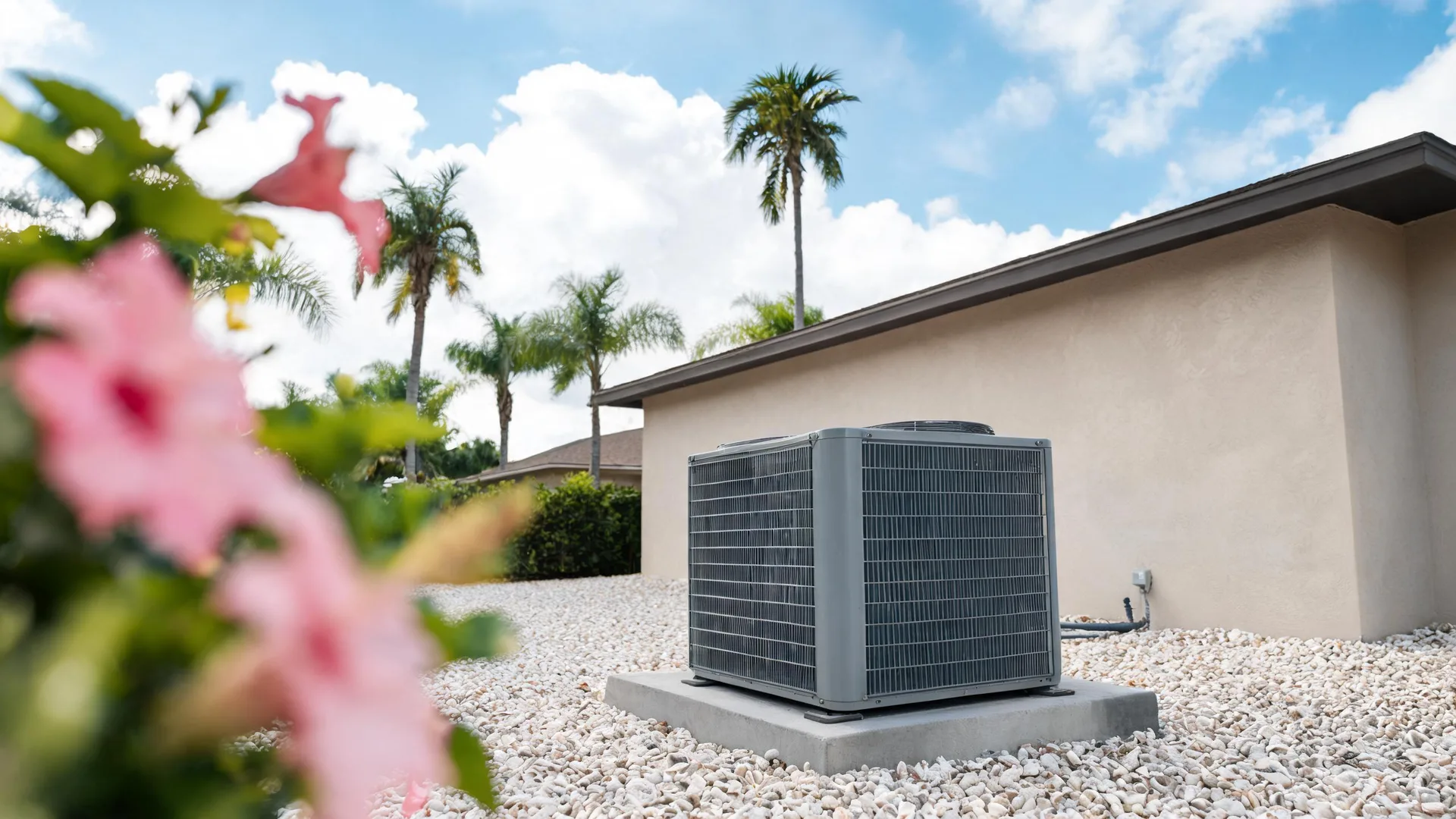
A gray heat pump condenser unit mounted on a concrete pad against the gray lap-siding exterior wall of a house.

Running through every storm that comes

That outdoor unit runs through wind and hail both, same as every storm this county logs. If something in it is worn or rattling loose, that kind of weather is what finds it. Have a contractor check it over rather than guess from the sound it's making. If a part's failing from years of that, they can tell you which one and whether it's worth fixing now before it quits on a cold night.

A small fault can become a big repair

A heat pump low on refrigerant will keep running, but the compressor works harder to move the heat it's short on. Run it like that for days and the compressor itself can overheat and fail, turning a refrigerant leak into a full replacement. The same goes for a struggling fan motor. It will keep spinning slower and hotter until it seizes.

The signs worth stopping for

Ice building on the outdoor coil, a breaker that trips more than once, or a smell from the vents are all reasons to shut the system off and call someone rather than wait. Running it through those keeps stressing a part that's already failing, and it can take other parts down with it. A system that's just blowing air a little cooler or warmer than it should can usually wait for a scheduled visit.

Most heat pump failures announce themselves before the system quits outright. Air coming from the vents that's lukewarm instead of hot or cold, in either season, usually means something is off with the refrigerant charge or the reversing valve isn't switching the way it should. A unit that short cycles, turning on and off every few minutes instead of running a full cycle, is often struggling with a failing sensor or a compressor that's starting to go. Listen for noise too. Grinding or squealing from the outdoor unit points to a bearing or motor wearing out, and a loud clicking when it tries to start can mean a failing capacitor. Ice on the outdoor coil when it shouldn't be there, especially outside of a normal defrost cycle, is worth a call rather than a wait. None of these mean the system is done. They mean something specific inside it needs attention before it takes another part down with it.

Whether a repair makes sense often comes down to what actually failed, not just how old the unit is. A capacitor, a contactor, a blower motor, these are parts that fail on their own, and swapping one out brings the system back to normal. A compressor is different. It's the most expensive part in the unit, and when it fails, whoever looks at it has to weigh that cost against putting in a new system entirely. The reversing valve sits in between. It's repairable, but it's also a sign the system has some miles on it. Ask what failed, not just what it'll take to fix it. A unit that's needed two or three different repairs in as many years is telling you something even if each one was minor on its own.