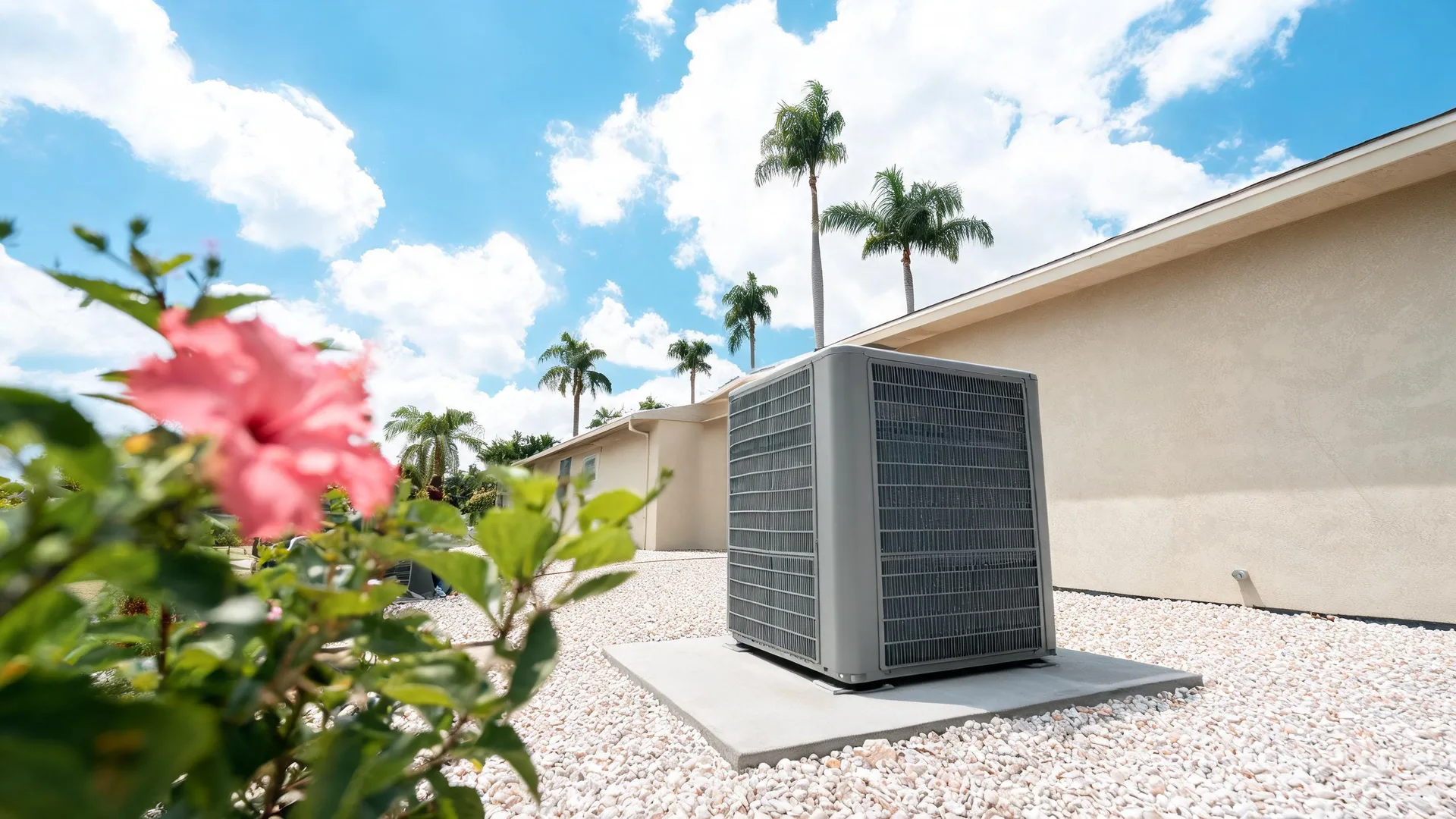
Weather puts the outdoor unit to work
Lewis and Clark County logged 245 severe weather events between 2015 and 2024, including 151 damaging wind events and 15 hail events. That unit sits outside taking all of it.
Takes about a minute. No obligation.
Lewis and Clark County logged 245 severe weather events between 2015 and 2024, including 151 damaging wind events and 15 hail events. That unit sits outside taking all of it.
18% of Montana households went at least a day without power in 2024. A heat pump needs power to run, so a long outage means no heat and no hot water from that system until it's back.

Electricity here runs 14.01 cents a kilowatt-hour.
A heat pump that's struggling pulls more of it every day you wait.




Heat here starts up in September and runs clear through June. That first cold snap is when a heat pump that's been limping along finally gets tested, and a part that was already weak doesn't hold up. Nights average 15°F through December, January and February, so by the time deep winter hits, the system needs to be running right, not still waiting on a repair. If something's been off since last season, before September is the time to get it looked at, before it has to carry the full load.
If the outdoor unit took a hit from wind or hail this year, a repair now finds it before deep winter does. A heat pump that still runs can be hiding damage from a storm that already passed.
Find a contractor
Winter storms hit this county 77 times between 2015 and 2024, heavy snow, ice, blizzards. The outdoor unit sits through all of it, running the whole time it can. When a heat pump has already taken a hit from wind or hail, a repair now should mean finding what the storm actually did to it, not just quieting the noise it's making. A tech who checks the coil and cabinet for storm damage, not only the symptom you called about, is the one whose fix holds.
A heat pump switches between heating and cooling through a reversing valve, and that valve works harder than almost anything else in the system because it shifts position every time the mode changes. A stuck or leaking reversing valve shows up as a unit stuck in one mode, or heat that feels more like a cool breeze. It's a common failure simply because it's always moving.
The outdoor coil has to stay clean and unobstructed to pull heat from the air, even cold air. Dirt, bent fins, or a refrigerant leak at the coil all cut into how much heat it can move, and the unit responds by running longer to get the same result. By the time it can't keep up at all, the coil has usually been losing ground for a while.
A heat pump that's struggling still runs, and that's the problem. The compressor is doing the real work of moving heat, and if it's starting against a bad capacitor or low refrigerant charge, it draws more current than it should every time it kicks on. That strain doesn't stay the same. A capacitor that's weak gets weaker, a slow leak keeps leaking, and the compressor that's covering for them runs hotter and longer each cycle. Left alone, a problem that started as a minor repair, a part or a seal, ends as a compressor replacement, because the compressor is the thing that absorbed the strain the whole time. Shutting it down when something's clearly wrong costs you comfort for a few days. Running it through the problem can cost you the compressor.
A heat pump that's pulling extra power doesn't stop costing you until someone fixes what's wrong with it. Waiting a month means a month of that higher draw, every cycle, every day. The fix itself doesn't get cheaper by putting it off, and the compressor keeps absorbing the strain in the meantime. Getting a tech out now stops that before winter adds the heating load on top of it.