




An outdoor HVAC condensing unit on a concrete pad next to a beige single-story house with a dark shingle roof.

Heat Pump Repair in Fort Benton, MT

Tell us about the job

Takes about a minute. No obligation.

RepairHeat PumpChouteau County, MT
Step 1 of 2

What ZIP code is the job in?

Winter lows here average 12°F across December, January and February. That's cold, but it's within what any heat pump is built to handle. Chouteau County gets its share of wind, hail and winter storms over the years. None of that points to anything specific going wrong inside your unit. A heat pump that's icing over, short cycling, or blowing air that isn't warm enough is usually dealing with a problem that shows up in heat pumps everywhere. A low refrigerant charge. A failing defrost control. A stuck reversing valve. Finding which one it is comes first, before any guessing about the weather outside.

10 months
September through June, your system heats
2 months
July through August, it cools
12°F
the average winter night it heats against
81°F
the average summer afternoon it cools against
Isometric cutaway illustration of a single-story house showing interior rooms with furniture, an attic duct system connected to an indoor air handler, and an outdoor condenser unit linked by lines along the exterior wall.
Your system heats September through June and cools July through August.

NOAA nClimDiv, 1991–2020 normals

Heat here starts in September, but August is when a weak heat pump shows it.

Get it looked at before the first cold morning, not after it quits on one.

Nothing out here is unusual for a heat pump128 severe weather events hit Chouteau County between 2015 and 2024, mostly wind and winter storms

Electricity in Montana ran 12.66 cents a kilowatt-hour in 2024. A heat pump that's working the way it should will cost less to run than electric resistance heat, even in a cold stretch. If yours is costing more than it used to, or the heat strips seem to be doing most of the work, that points to the heat pump itself, not the rate you're paying. A reversing valve stuck in the wrong position, a dirty outdoor coil, or a compressor on its way out will all push a system toward backup heat. Worth ruling those out before you assume the cold is just winning.

Know what you're repairing before you pay for it

A repair call is the right time to ask that question. Have the contractor check the age and condition of what's there before deciding what to spend on it.

Find a contractor
A man in a cap and dark jacket, seen from behind, carries a canvas tool bag up porch steps toward a dark blue front door of a gray-sided house.
A gray heat pump condenser unit mounted on a concrete pad against the gray lap-siding exterior wall of a house.

Running it longer doesn't buy you time

A heat pump that's icing over or short cycling doesn't fix itself by running more. A reversing valve stuck halfway keeps wearing at the edges it's not sealing against, every cycle it runs. A compressor low on charge runs hotter than it should, and heat is what kills a compressor. What starts as reduced output can end as a seized part that has to be replaced instead of repaired. Shutting it down and calling someone beats letting it run through the damage.

Most failures start outside

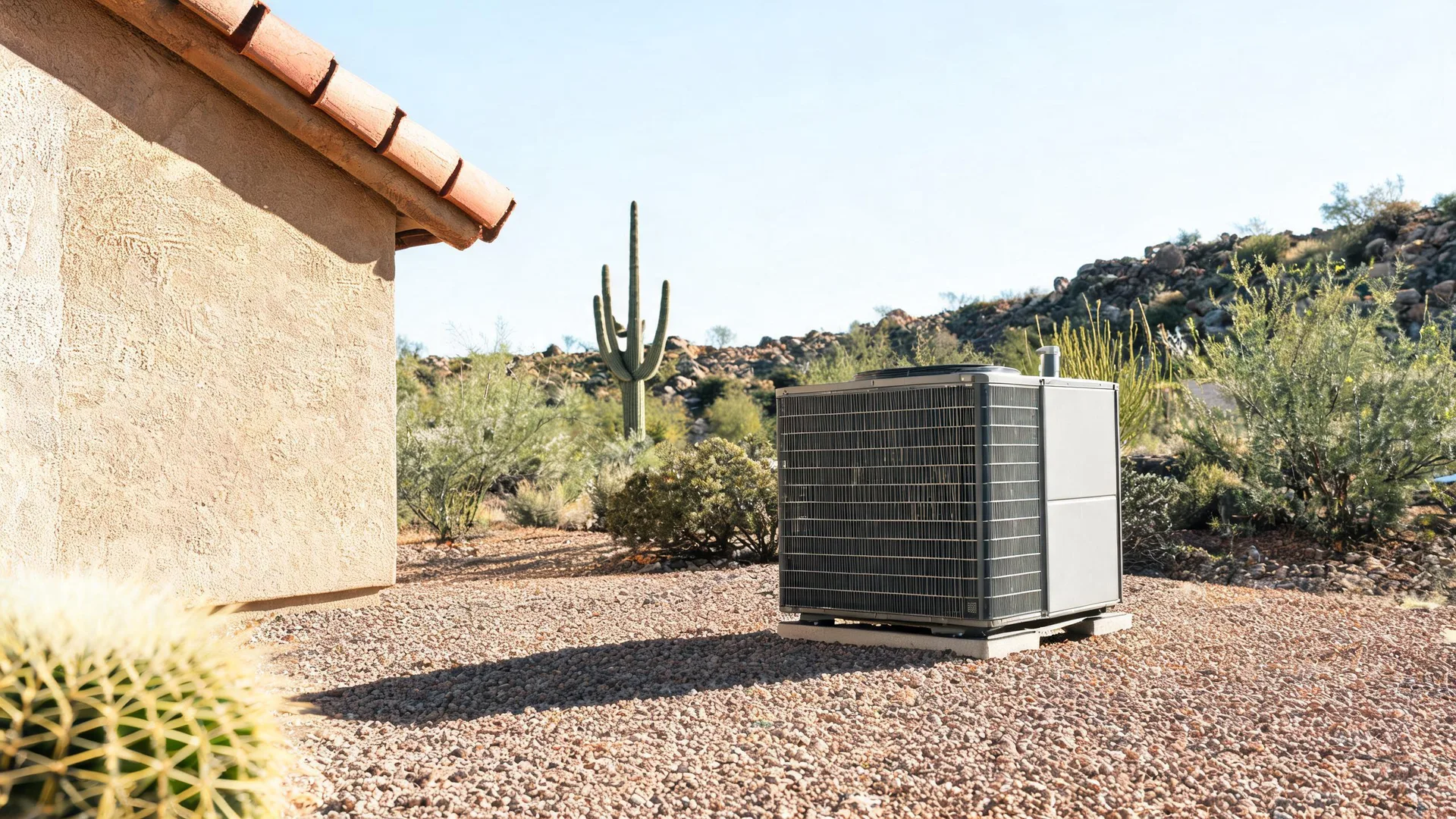
The outdoor unit takes the weather straight on. A fan motor seizes, the outdoor coil gets caked with debris until it can't shed heat, or a contactor pits and burns from switching on and off season after season. Any of these will show up as weak heat or a system that runs constantly trying to keep up.
What that means for the repair call

The fix depends on which part failed, not on how the system is acting. A dirty coil just needs cleaning out. A bad contactor is a straightforward swap. A failing compressor is a different conversation, sometimes about whether repair makes sense at all. The symptoms alone won't tell you which one you're facing, so that's where a diagnosis has to start.

There are a few things worth checking before you pick up the phone. Look at the outdoor unit first. If it's caked in ice beyond the thin frost that's normal in cold weather, or buried in leaves and debris, that alone can choke off heat output. Check your air filter too, since a clogged one makes the whole system work harder and can mimic a bigger problem. Walk around the house and see if every room is affected or just one, because a single cold room often points to ductwork or a closed vent rather than the heat pump itself. Check the thermostat batteries and settings while you're at it, and make sure it's actually calling for heat and not sitting in some other mode. None of this tells you what's broken, but it rules out the easy stuff first.

A heat pump that's heating fine but costing more to run is a different problem than one that's lost output, and they call for different answers. Age alone doesn't mean replace it. A compressor can run for years past when a cheaper system would have failed, if the refrigerant charge and the coils have been kept right. What matters more is whether the problem is a part or the compressor itself. A capacitor, a contactor, a fan motor, these are swapped out and the system goes back to normal. A compressor that's failing is a harder call, since it's the most expensive part in the system and the labor to replace it isn't small either. If a system is already old and the compressor goes, most of what you'd spend on that repair goes toward a part that isn't the only thing wearing out. Get the actual failure named before weighing it against a new system, not just the symptom.