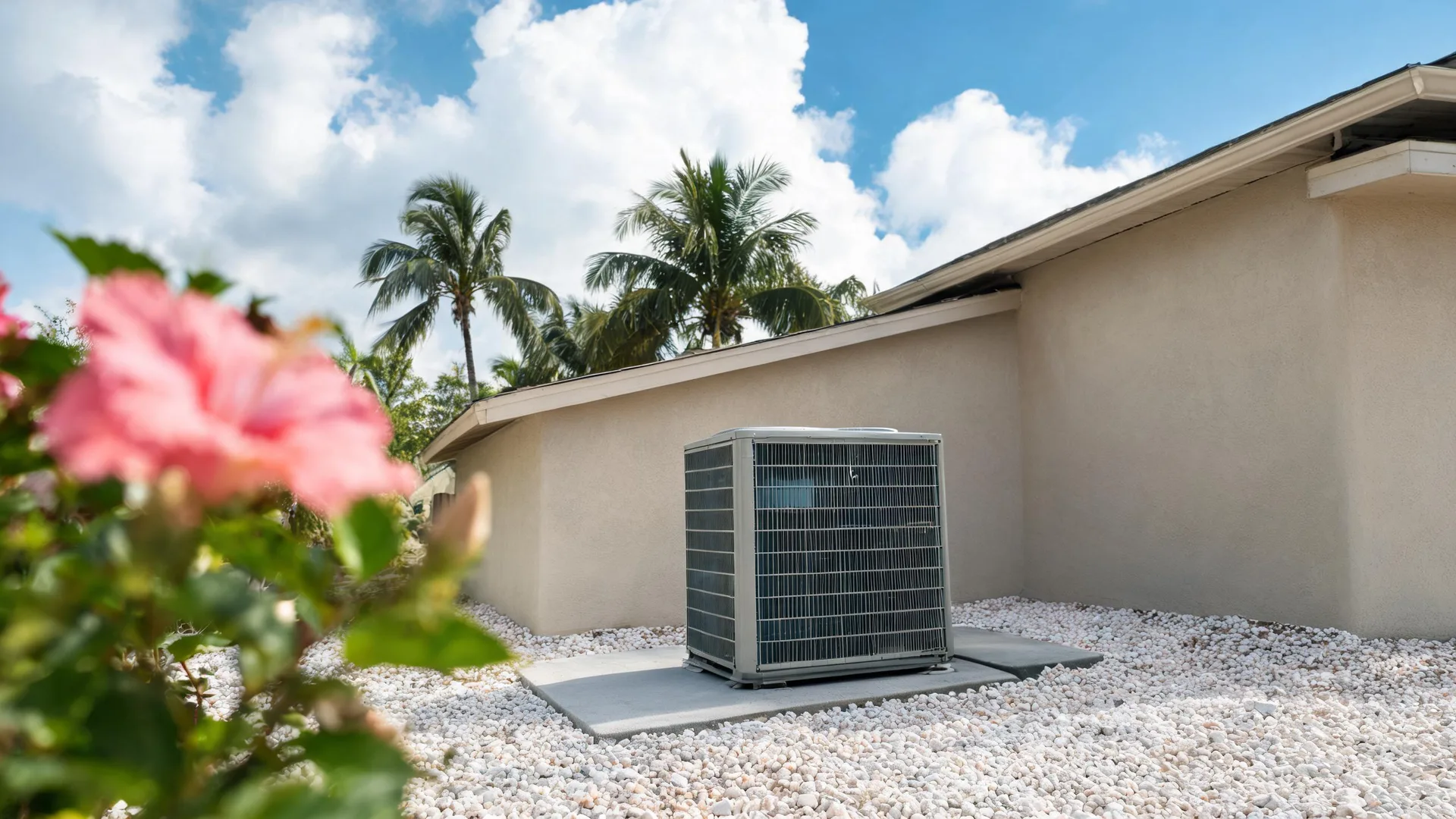
A gray outdoor HVAC condenser unit mounted on a concrete pad in the front yard of a two-story suburban house.

Heat Pump Repair in Malta, MT

Tell us about the job

Takes about a minute. No obligation.

RepairHeat PumpPhillips County, MT
Step 1 of 2

What ZIP code is the job in?

Weather here is hard on a heat pump

Phillips County logged 319 severe weather events between 2015 and 2024, with damaging wind alone hitting the county 210 times. Hail struck 48 times in that same stretch. The outdoor unit sits outside through all of it, exposed to wind-driven debris and hail that a furnace never has to face.


A unit that still runs may still be hurt

Hail can dent fins or bend the cabinet without stopping the unit right away. After a storm, a heat pump that seems fine can be running with damaged coils or a cracked fan blade. Worth having a contractor look it over whenever your property has taken a hard hit.

9 months
September through May, your system heats
2 months
July through August, it cools
8°F
the average winter night it heats against
82°F
the average summer afternoon it cools against
Isometric cutaway illustration of a small house showing interior ductwork and an air handler connected by lines to an outdoor condenser unit on a pad beside the building.
Your system heats September through May and cools July through August.

NOAA nClimDiv, 1991–2020 normals

Electricity in Phillips County runs 14.85 cents per kilowatt-hour.

A heat pump struggling to heat or cool pulls more power the whole time it runs, and that shows up on every month's bill until it's fixed.

Wind, hail and winter storms, and the outdoor unit takes every one

210 damaging wind events from 2015 to 2024
48 hail events from 2015 to 2024
59 winter storms from 2015 to 2024

September is when heat kicks on here, and that first cold snap is when a weak heat pump shows itself. A part that was already strained by a dry, hard summer doesn't announce itself until the system has to work for heat instead of cooling. Same goes for the far end of winter, when the compressor is leaning hard against overnight lows that average 8°F through December, January and February. If your heat pump struggled last spring or showed anything off at the end of summer, that same weak point is what gives out once real heating load hits it. Getting it checked before September beats finding out on the first cold morning.

After a storm, have it checked, even if it still runs

If your property has taken a hard hit this year, get the outdoor unit checked before you count on it for heat. A dented coil or a bent fan blade doesn't always stop a heat pump from running, but it stops it from running right.

Find a contractor
A white mini-split heat pump outdoor unit mounted on a concrete pad beside a gray-sided house, surrounded by gravel and green shrubs.

Every storm this unit has sat through is still on it

That outdoor unit has already lived through hail, wind and whatever winter storms came through since it was installed. Every one of those events is a chance for something to bend, loosen or crack without stopping the unit outright. A heat pump that has taken years of that kind of hit is a heat pump where small damage has had time to turn into a real problem. If it's acting up now, the cause is as likely to be wear from what it's already been through as anything happening today. A contractor who knows to check for storm-related wear, not just the obvious fault, is more likely to find what's actually wrong the first time.

Most failures start with the outdoor unit

The compressor, the reversing valve and the outdoor fan motor sit outside, and that's where trouble usually starts. A failing capacitor can't give the compressor or fan motor the jolt they need to start, so the unit hums or clicks but doesn't run. A low refrigerant charge, usually from a slow leak, makes the system work harder and can frost the outdoor coil even when it's not cold enough to explain it. A reversing valve that sticks is why a heat pump blows cold air when it should be heating, or won't switch over at all.

The defrost cycle is where heat pumps show their age

A heat pump has to defrost its outdoor coil in cold weather, and that depends on a defrost control board and a sensor reading coil temperature correctly. When that sensor drifts or the board fails, frost builds up on the coil and chokes off airflow, and the unit loses its ability to pull heat from outside air. A dirty air filter or a blocked return makes this worse, since reduced airflow strains the same parts that are already working hardest in winter.

A heat pump rarely fails without warning. It usually tells you first, if you know what to listen for. Warm air that isn't as warm as it used to be, especially on the coldest days, often means the system is losing its ability to pull heat from outside air. Short cycling, where it kicks on and off every few minutes instead of running a full cycle, points to a control problem or a unit that's lost refrigerant. Ice building up on the outdoor unit and staying there, instead of clearing during the defrost cycle, means that cycle isn't working anymore. A hissing or bubbling sound near the lines usually means refrigerant is escaping somewhere it shouldn't. Any of these is worth a call before the system stops outright, since a heat pump that's struggling still runs, right up until it doesn't.

A heat pump that's working harder than it should pulls more power for as long as it keeps running that way. That cost doesn't wait for the unit to fail outright, it shows up on the bill while the problem is still sitting there unfixed. Longer run times, weaker air at the vents, short cycling, any of these means the system is already drawing more than it needs to. Waiting for it to get worse only stretches that extra cost across more months of service. Getting the problem found and fixed now stops the bleeding instead of letting it run through another billing cycle.