Illuminated timber-and-stone mountain cabins along a curved road at twilight, with lit trees and mountain peaks in the background.

Heat Pump Repair in Great Falls, MT

Tell us about the job

Takes about a minute. No obligation.

RepairHeat PumpCascade County, MT
Step 1 of 2

What ZIP code is the job in?

Cascade County sees serious storms

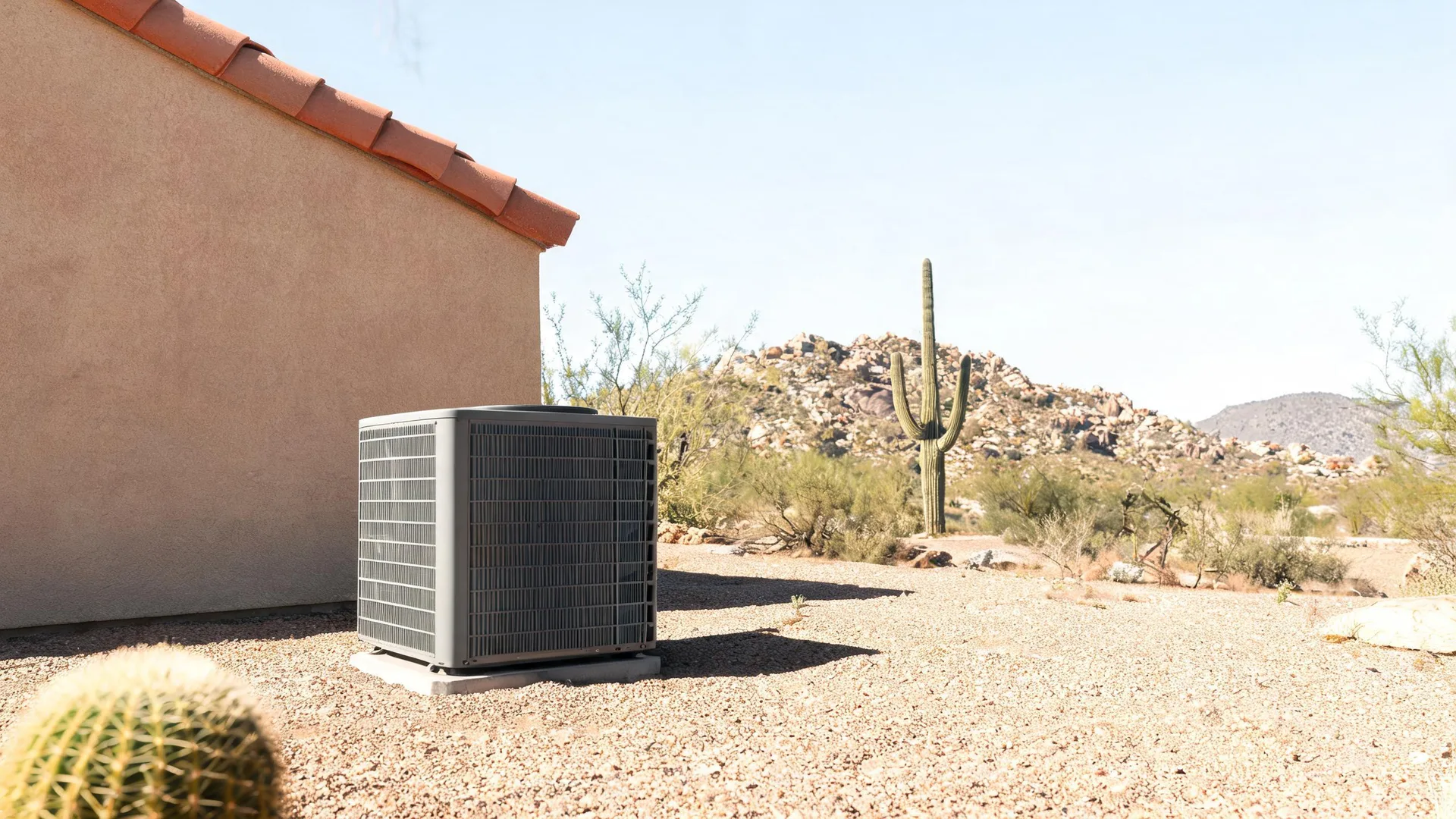
Cascade County recorded 222 severe weather events between 2015 and 2024, including 134 damaging wind events and 55 hail events. That outdoor unit sits outside through all of it, taking wind-blown debris and hail straight to the coil and fan.

Power doesn't always come back fast

Close to 18% of Montana households went at least a full day without power in 2024. A heat pump stops heating or cooling the moment the power does, and in a Great Falls winter that's not something to wait out.

10 months
September through June, your system heats
1 months
July through July, it cools
16°F
the average winter night it heats against
78°F
the average summer afternoon it cools against
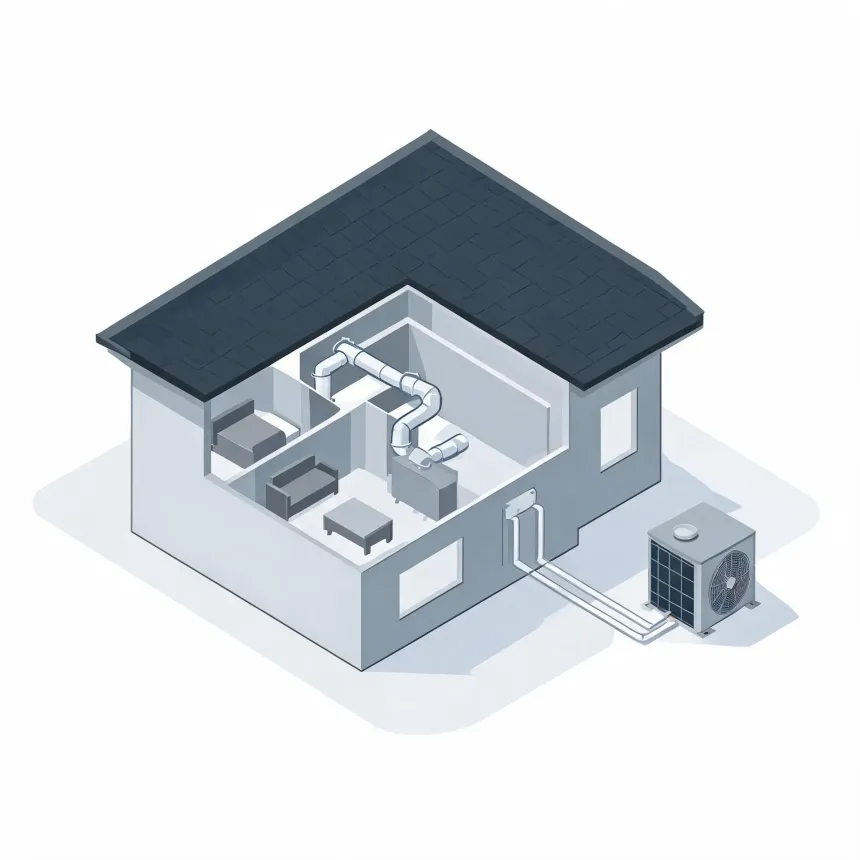
Isometric illustration of a cutaway single-story house showing interior ductwork, an indoor air handler and simple furniture, connected by lines to an outdoor condenser unit beside the building.
Your system heats September through June and cools July through July.

NOAA nClimDiv, 1991–2020 normals

A heat pump blowing air that's not warm or not cold still has power running to it.

That points to the reversing valve or the compressor, not a simple fix a homeowner can wait out.

Half the homes here were built before your heat pump technology even existed

Half the homes here were built by 1970
134 damaging wind events from 2015 to 2024
55 hail events from 2015 to 2024
One month off, the rest is heatHeat runs September through June here. Cooling is just July. When a season switches on that fast, a weak part takes the full load right away.

If a repair call turns into a conversation about replacing the unit, ask the contractor how much life is left in it before you agree to a big repair bill. A heat pump that's already old doesn't owe you a expensive fix. Half the homes in Cascade County were built in 1970 or earlier, long before the system in them now, so a lot of what's running out there has been swapped out at least once already. Whoever comes out to look at yours can tell you where it sits in that line, and whether this repair is the last one worth paying for.

If the outdoor unit took a hit, get it checked before it fails

If your outdoor unit took wind-blown debris or hail this year, have it looked at even if it still runs fine. Hail can dent a coil enough to cut airflow without stopping the unit outright, and that kind of damage only gets worse with time. Worth having someone check it before the next storm adds to it.

Find a contractor
A man in a dark cap, gray T-shirt and brown work pants walks up porch steps toward a dark front door, carrying a canvas tool bag filled with tools, with a potted shrub beside the entry.
A dark gray heat pump unit mounted on a concrete pad next to a house with gray siding and a stone veneer wall.

Some problems only get worse while the system keeps running

A refrigerant leak is the clearest example. Run the system low on charge and the compressor has to work harder to move what's left. It runs hotter doing it. Keep that up and you're not looking at a recharge anymore, you're looking at a compressor replacement, which costs a lot more and takes a lot longer to source. A struggling capacitor is the same story on a smaller scale. It starts by making the fan or compressor hesitate on startup. Ignore that and the motor it's driving takes the strain instead, and motors don't shrug that off. Airflow problems follow the same pattern. A coil losing its fight against ice, or a blower working against a clogged filter, makes the whole system run longer to do the same job. Longer runtimes mean more wear on everything downstream, not just the one part that started the problem. None of this fixes itself by running more. The part under strain stays under strain every minute the system is on.

The reversing valve wears out from switching

Every time a heat pump changes between heating and cooling, the reversing valve slides to redirect refrigerant flow. That sliding is mechanical wear, and it happens far more often than in a system that only ever runs one direction. Over time the valve can stick partway, and the unit ends up stuck in one mode or blowing air that's neither hot nor cold.

The outdoor coil takes the abuse

The outdoor coil is exposed to wind, debris and ice in a way nothing else in the system is. A bent fin or a layer of frost that won't clear cuts down the airflow the coil needs to do its job. The compressor behind it still tries to keep up, and it's the compressor replacement that makes this kind of neglect expensive.

Before calling anyone, look at the outdoor unit itself. Clear away leaves, ice or anything blocking the coil, since restricted airflow there can mimic a real failure. Check the filter inside too, because a clogged one makes the whole system work harder and can cause icing on the outdoor coil even in summer. Look at the thermostat and make sure it's set to the mode you want and the batteries aren't dead, since a heat pump stuck in the wrong mode can look like a broken reversing valve when it isn't. Check the breaker for both the indoor and outdoor units, since a tripped breaker will stop the system cold with no other symptoms. If the outdoor fan isn't spinning at all while the indoor unit runs, that's worth mentioning to whoever comes out, since it narrows things down fast.

A diagnostic visit starts outside, at the unit itself. The tech checks refrigerant pressure, because low charge shows up there before it shows up anywhere else. They'll test the capacitor and the contactor, since a weak start component is one of the most common reasons a compressor or fan hesitates or won't kick on. They'll run the system in both modes and watch what the reversing valve does, because a valve that's starting to stick often still works, just slower than it should. Airflow gets checked on both sides, coil and blower, since restricted airflow can look like a dozen other problems at once. Most of this comes down to pressure readings, electrical tests and watching the system actually run, not guesswork.