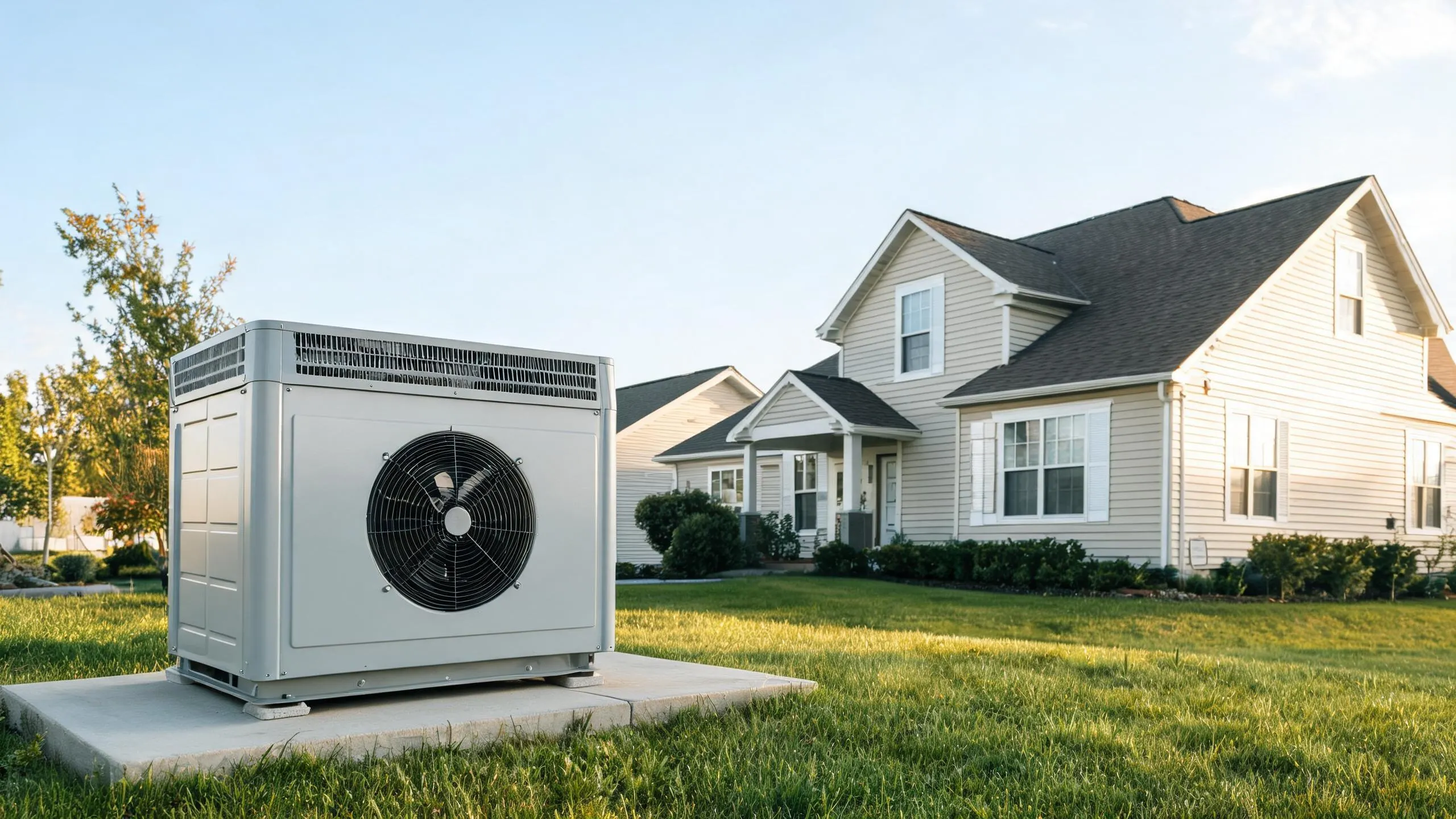
An outdoor heat pump unit mounted on a concrete pad in the front yard of a gray suburban house.

Heat Pump Repair in Miles City, MT

Tell us about the job

Takes about a minute. No obligation.

RepairHeat PumpCuster County, MT
Step 1 of 2

What ZIP code is the job in?

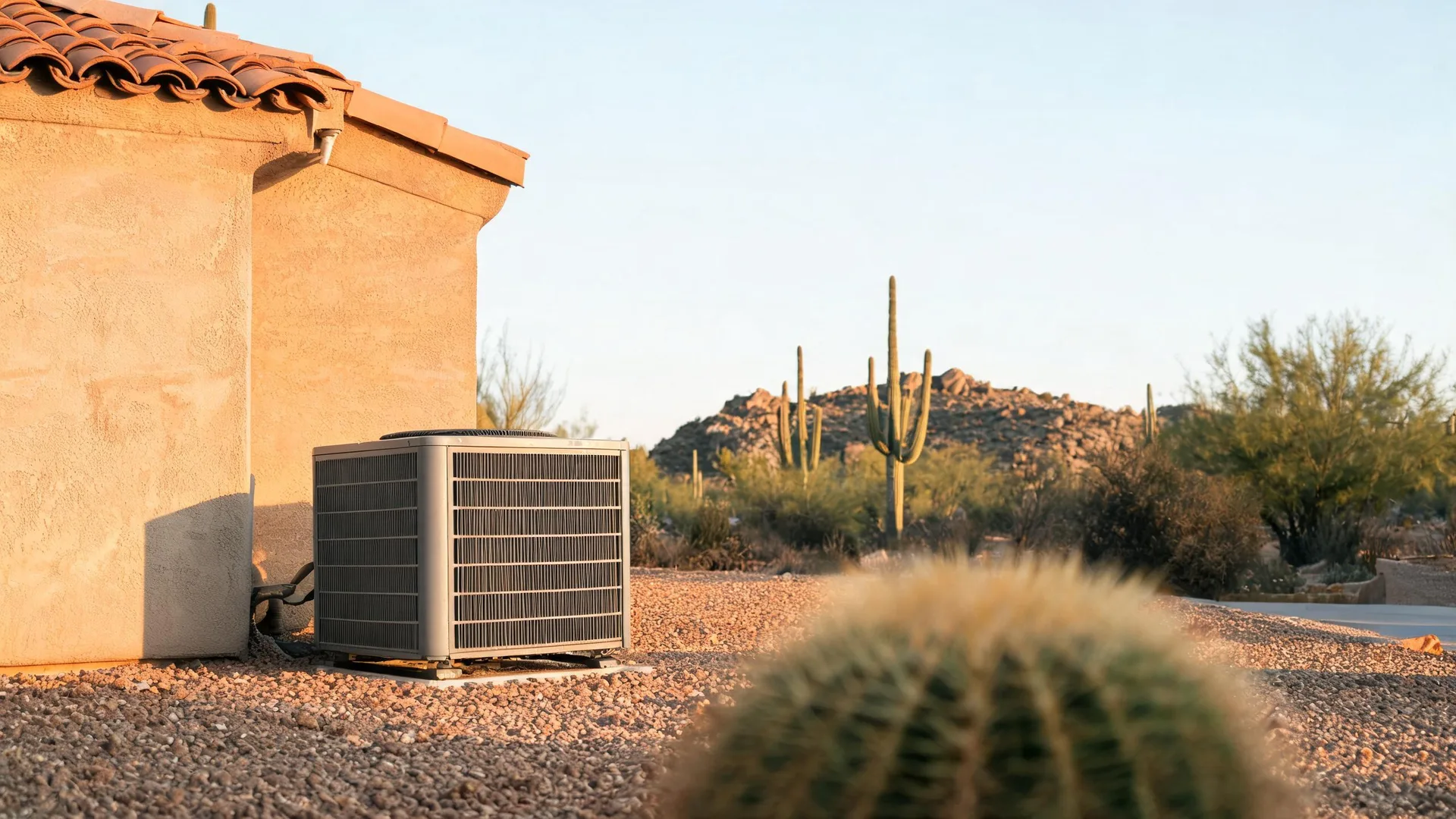
The outdoor unit takes the weather head on

Custer County saw damaging wind 94 times between 2015 and 2024, and 65 hail events in that same stretch. The outdoor unit sits outside through all of it, running on the hot dry days and the hard winter ones alike, with no break between them.


That's usually what's behind the problem

A heat pump that's been through that much wind and hail wears in ways a newer or gentler climate wouldn't cause. A bent fin, a damaged fan blade, a loose connection. Worth having someone diagnose it properly rather than guess, since the actual cause decides whether this is a quick fix or something more.

9 months
September through May, your system heats
3 months
June through August, it cools
11°F
the average winter night it heats against
84°F
the average summer afternoon it cools against
Isometric line illustration of a cutaway house showing interior rooms with furniture, ceiling ductwork connected to an indoor air handler, and an outdoor condenser unit linked by refrigerant lines.
Your system heats September through May and cools June through August.

NOAA nClimDiv, 1991–2020 normals

Half the homes in Custer County were built in 1965 or earlier.

A heat pump in a house that old is more likely nearing the end of its working life, so a repair now may not be the last one.

Heat pump trouble shows up fast hereHeat starts running in September, and August is when a weak part gives out.

Custer County saw 176 severe weather events between 2015 and 2024, and 17 of those were winter storms with heavy snow or ice. The outdoor unit sits through all of it with no cover. If it took a hit from hail or a branch came down near it during a blizzard, the damage might not show up as a total failure right away. It might just show up as the system running rough, short cycling, or struggling to keep up on the coldest nights. Statewide, 18% of Montana households lost power for a day or more in 2024, and a heat pump that loses power during a hard freeze needs to come back on reliably when it returns. If yours has been acting up after a storm, or you just haven't had it looked at since the last bad one came through, it's worth having someone check the outdoor unit before the next cold snap finds the weak spot for you.

Know what you're paying for before you pay for it

A repair can fix what's wrong today. It can't tell you how many years are left after that. If your heat pump came with an older house, ask whoever looks at it how much life is left in the unit, not just what the repair will cost.

Find a contractor
A man in a gray t-shirt, tan work pants and brown boots, seen from behind, climbs steps toward a dark front door while carrying a canvas tool bag holding a tape measure and screwdrivers, with a potted flowering shrub beside the entry.
A white mini-split heat pump outdoor unit mounted on a concrete pad beside a gray-sided house, surrounded by gravel and green shrubs.

Years of storms, one unit outside

That same wind and hail record means this unit has had a lot of chances to take a hit without anyone seeing it happen. A tech checking it now can tell you whether what's wrong is a straight repair or a sign the cabinet, coil or fan has taken more damage over the years than it shows from the yard. Ask for that before you decide what to fix.

What to check before you call

Start at the thermostat. Make sure it's set to heat or cool as needed and the batteries aren't dead. Then look at the air filter. A clogged filter chokes airflow and can make a heat pump run constantly without warming or cooling the house right. Check the circuit breaker too, since a tripped breaker will shut the whole system down and look like a bigger problem than it is. Walk outside and look at the outdoor unit. If snow, ice, or leaves are packed around it or sitting on top, the unit can't pull in or release air properly, and clearing that away sometimes solves the problem on its own.

What tells you to stop and call

Ice building up on the outdoor unit beyond a thin frost is a sign something's wrong, not normal winter weather. So is a hissing or gurgling sound from the lines, which can mean a refrigerant leak. If the system is blowing air that isn't warm enough or cool enough no matter the thermostat setting, or it's turning on and off in short bursts instead of running a full cycle, those point to a part failing rather than something you can clear or reset. Once you've checked the filter, the breaker, and the outdoor unit and the problem is still there, it's time to get a tech out rather than keep testing it yourself.

A heat pump that's struggling shows it in how it runs, not just whether it turns on. Short cycling is one of the clearest signs, the system kicking on and shutting off again before it finishes a full heating or cooling cycle. That puts more wear on the compressor every time it happens. Warm air in the summer or cool air in the winter, blowing steady but at the wrong temperature, usually points to a refrigerant problem or a failing reversing valve rather than anything you can fix by adjusting the thermostat. A unit that runs constantly without ever satisfying the thermostat is working harder than it should, and that usually means the system is losing ground somewhere, not just working through a tough day. Strange noises matter too. Grinding or squealing points to a motor or bearing wearing out, and a hissing or bubbling sound near the lines often means refrigerant escaping where it shouldn't. None of these fix themselves, and running the system while they get worse usually turns a repair into a bigger one.

A repair makes sense when the rest of the system is sound and the failure is a single part: a capacitor, a contactor, a fan motor. Replace that part and the unit goes back to running the way it did before. Age changes that math. A compressor carries refrigerant through the whole system under pressure, and once it's worn, the coils and lines around it have usually logged the same years of wear even if they're not the ones failing today. Fixing the part in front of you doesn't undo that. The other thing to weigh is what the system is built around. Older heat pumps run on refrigerants and parts that are getting harder to source, and a repair on one of those can take longer and cost more simply because the piece needed isn't a common one anymore. None of that means every repair is a stall. It means the question worth asking isn't just what's broken, but what shape the rest of the unit is in.