This county sees real storms
Stillwater County logged 324 severe weather events between 2015 and 2024, including 160 winter storms, 112 damaging wind events and 52 hail events. That outdoor unit sits outside through all of it.
Takes about a minute. No obligation.
Stillwater County logged 324 severe weather events between 2015 and 2024, including 160 winter storms, 112 damaging wind events and 52 hail events. That outdoor unit sits outside through all of it.
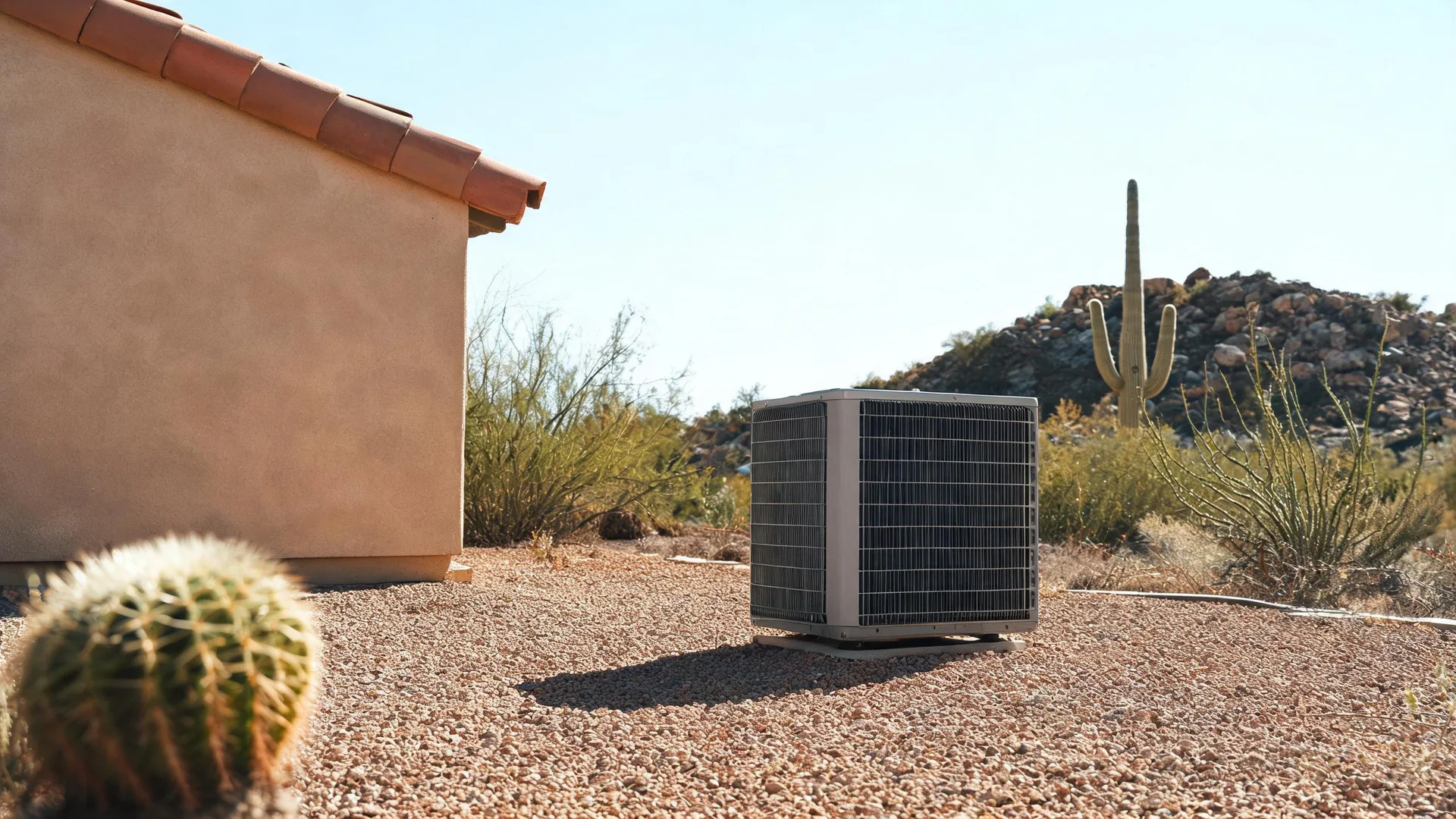
The outdoor unit has coil fins, a fan and wiring exposed to the weather. Wind-blown debris can bend fins or jam the fan, and hail can dent the cabinet or the coil underneath it.
NOAA nClimDiv, 1991–2020 normals
August is the month before heat season starts here.
A heat pump that struggled last winter will show it again in the first cold snap of September.



Half the homes in Stillwater County were built in 1986 or later. If yours is one of them, the heat pump probably isn't the problem on its own, something else is going on with it. These systems are built to run for a good number of years, and a newer unit with a fault in the control board or a stuck reversing valve is usually worth fixing rather than replacing. Mobile homes make up about one in ten in the county, and those often run smaller heat pump systems, but the same holds for them. A repair gets you back to the working life you already paid for.
If the outdoor unit took a hit from hail or wind this year, have it looked at even if it still seems to run fine. A bent fin or a dented coil doesn't always show up as a problem right away, but it can turn into one in the middle of a cold snap. Worth having a contractor check it now.
Find a contractor
A day and night of running is mostly the same cycle over and over, the compressor and fan starting up, holding steady, shutting off. That repetition is what wears on a system over the years, not any single day of it. A unit that came with a house built in 1986 or later has not logged as many of those cycles as an older one would have. Get the fault looked at and fixed. There is no reason to think about replacement just because the weather here is rough on equipment, not when the unit itself still has years ahead of it.
A heat pump low on refrigerant will keep trying to hit the temperature you set, and the compressor keeps working harder to do it. That extra strain is what burns out a compressor early. Shut it down and get the leak found instead of letting it chase a setpoint it can't reach.
Some frost in defrost cycles is normal. A coil that stays covered in ice usually means the defrost board, a sensor or the reversing valve isn't doing its job. Running the system like that restricts airflow across the coil and can push liquid refrigerant back into the compressor, which isn't built to handle it.
Most heat pump trouble shows up as something the system can't quite do anymore. It runs but the air coming out doesn't feel warm enough, or the house never gets to the set temperature even though the unit keeps cycling. Sometimes it won't switch over between heating and cooling, which usually points to the reversing valve stuking or failing. A unit that short cycles, turning on and off every few minutes instead of running a full cycle, is working harder than it should and wearing itself out doing it. Listen for it too. Grinding, clicking that doesn't stop, or a hum with no fan movement all mean something inside isn't doing its job. Any of these is worth a call before the part that's struggling takes out the one next to it.
The weather around Columbus is the reason a heat pump here earns its keep. Wind, hail, heavy snow, it all lands on that outdoor unit sitting out in the open. A contractor checking yours after a storm season like that isn't just looking at the part that quit. They're checking the coil fins, the fan, the wiring, because any of those can take a hit and keep running rough for months before they fail outright. If something's already acting up, that's usually the weather catching up with the machine, not a sign it's worn out. Get it diagnosed properly and the fix holds.