Illuminated timber-and-stone luxury homes along a residential street at dusk, with snow-capped mountains visible in the background.

Heat Pump Repair in Thompson Falls, MT

Tell us about the job

Takes about a minute. No obligation.

RepairHeat PumpSanders County, MT
Step 1 of 2

What ZIP code is the job in?

Weather here is hard on outdoor equipment

Sanders County logged 190 severe weather events between 2015 and 2024, including 60 rounds of damaging wind and 128 winter storms with heavy snow and ice. That outdoor unit sits outside through all of it, taking wind-blown debris and snow load year after year.

Outages hit heat pumps twice as hard

A heat pump needs power to run, for the compressor outside and the air handler inside. Nearly 18% of Montana households went at least a day without power in 2024. When the power's out, there's no heat and no cooling, not just a dimmer thermostat.

10 months
September through June, your system heats
20°F
the average winter night it heats against
76°F
the average summer afternoon it cools against
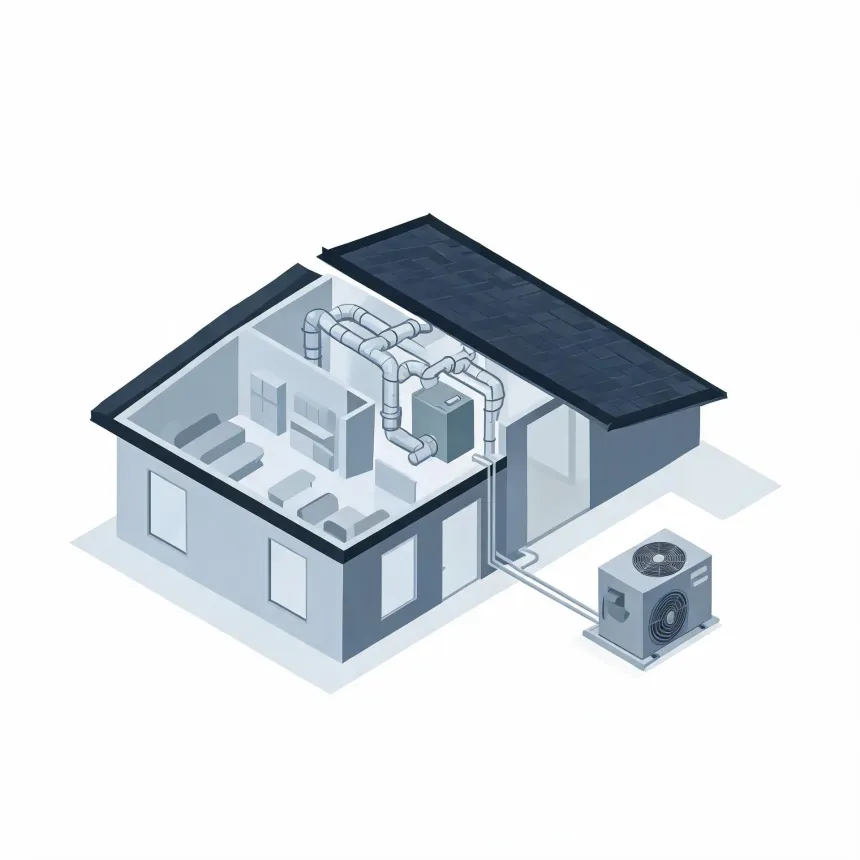
Isometric illustration of a cutaway single-story house showing interior ductwork and an air handler connected by lines to an outdoor condenser unit on a pad beside the building.

Half the homes in Sanders County were built in 1992 or later.

A heat pump that came with a newer house likely still has years of service left in it, which makes repair the right call.

Ten months of heat starting in September means a weak part fails early

Heat runs September through June
Climate zone 6B
Power here costs 12.00 cents per kilowatt-hour

Get a repair call out before deciding a system is too old to bother with. If a heat pump came with a newer house, it has no business getting replaced over a bad capacitor or a stuck reversing valve. A tech can tell in one visit whether what's wrong is worth fixing. If the unit came with the house, the odds favor repair. Find out what's actually broken before writing the system off.

Had a storm come through? Get the unit checked before it fails on you

If that outdoor unit took a hit from wind or snow load this year, get it looked at even if it still runs. A tech can check the coil and cabinet for damage before a small problem turns into a breakdown in the middle of a cold snap or an outage.

Find a contractor
A man in a cap, dark long-sleeve shirt and dirty work pants walks up wooden steps toward a dark gray front door, carrying a canvas tool bag in his right hand, with a potted shrub beside the entry.
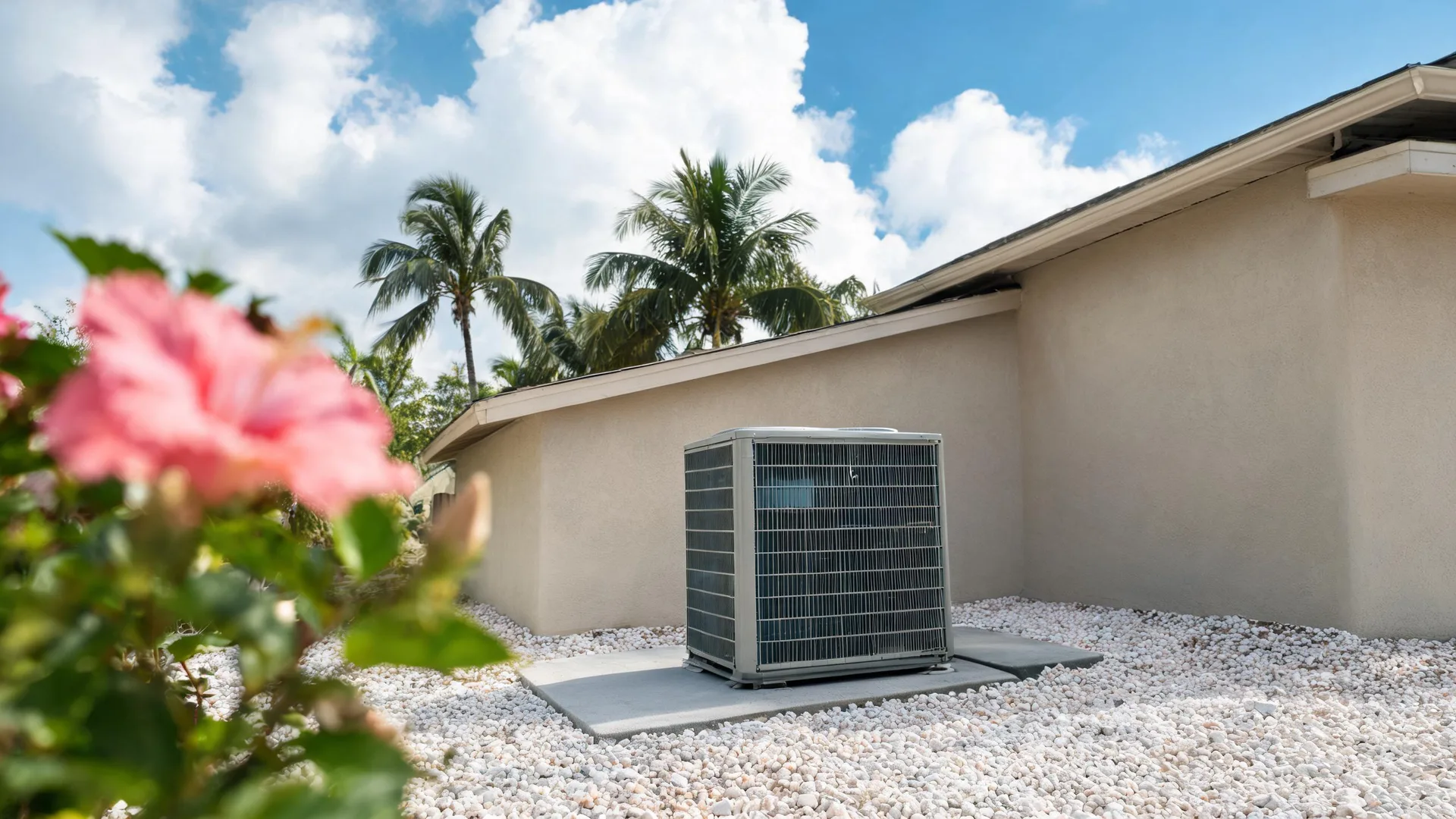
A white mini-split heat pump outdoor unit mounted on a concrete pad beside a gray-sided house, surrounded by gravel and green shrubs.

What a struggling heat pump sounds and feels like

A heat pump works through both the hot months and the cold ones, so pay attention to how it sounds and how it acts. A compressor that used to kick on and settle into a steady hum, now grinding or clicking before it starts, is telling you something. Short cycling, where the system shuts off only a few minutes after starting, points to a sensor fault or a refrigerant problem rather than a thermostat setting. Ice building up on the outdoor coil in weather that doesn't call for it means the defrost cycle isn't doing its job. Air coming out of the vents that's barely warm during a cold stretch often means the reversing valve isn't switching over the way it should. None of these fix themselves. A heat pump that's struggling keeps running anyway, using more power to do less work until something gives out.

The reversing valve is the part most likely to let you down

It's what switches a heat pump between heating and cooling, and it does that every single cycle, all year. The coil inside it can wear out, or it can get stuck halfway so the system runs in the wrong mode or neither one. Once it starts sticking, it tends to get worse, not better.

A refrigerant leak shows up as a comfort problem first

Low refrigerant doesn't make a heat pump stop working, it makes it work harder for less heat or less cooling. The compressor keeps running, pulling more power, while the house never quite gets to temperature. By the time ice builds up on the outdoor coil or the compressor overheats, the leak has usually been there a while.

A heat pump that's struggling still tries to do its job, and that's the problem. The compressor doesn't shut down when refrigerant is low, it just works longer and harder to move less heat, and that extra strain wears on parts that were never designed for it. A reversing valve that's starting to stick gets worked every cycle regardless, and sticking gets worse under continued use, not better. Ice on the outdoor coil blocks airflow, so the system pulls even harder to compensate, which makes more ice. Left alone, a small fault turns into a compressor that's overheated or burned out, and that's a different repair than the one you started with.

A diagnostic visit starts with the thermostat and the basics, then moves outside to the unit itself. A tech checks refrigerant pressure, electrical draw at the compressor, and whether the reversing valve is actually switching when it's told to. The outdoor coil gets a look for ice, bent fins, or anything blocking airflow, since restricted airflow shows up as the same symptoms as a dozen other problems. Inside, the air handler and its blower get checked too, because a heat pump that seems to be struggling outside sometimes has a filter or a blower motor causing the real trouble. Most of this gets diagnosed with gauges and a meter, not guesswork. By the end of the visit, a tech should be able to say exactly which part is failing and why, not just that something's wrong.