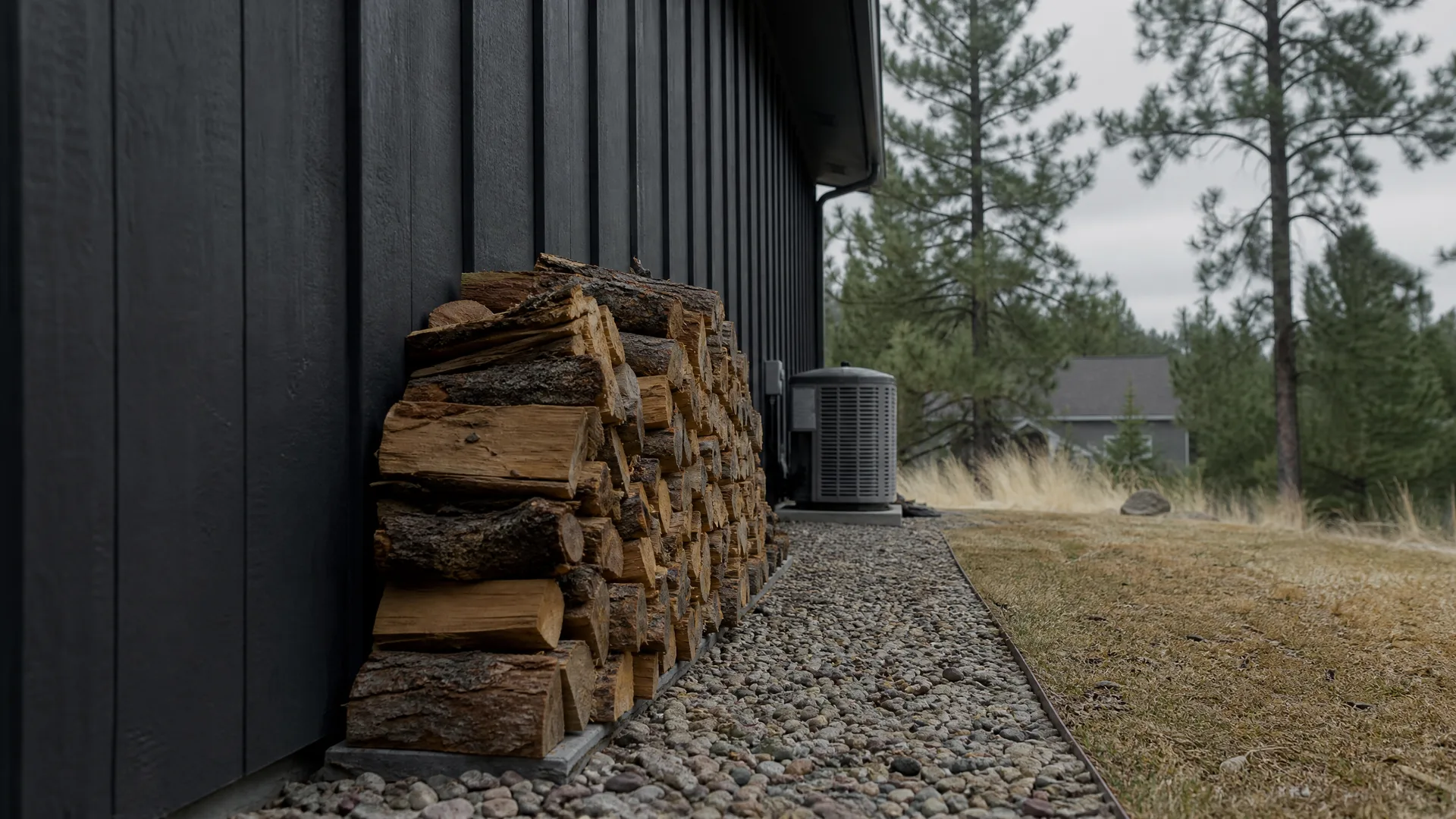






Split firewood stacked against the dark vertical board siding of a house, beside a gravel strip, an outdoor air conditioning unit, dry grass and pine trees.

Heat Pump Installation in Wolf Point, MT

Tell us about the job

Takes about a minute. No obligation.

New system or replacementHeat PumpRoosevelt County, MT
Step 1 of 2

What ZIP code is the job in?

Electricity in Roosevelt County runs about 12.15 cents per kilowatt-hour, cheaper than most of the country pays. That works in your favor with a heat pump, since it moves heat instead of burning fuel to make it, and every bit of electricity it uses goes further here than it would somewhere with higher rates. A heat pump that runs efficiently through a Wolf Point winter is going to show that efficiency on your bill each month. One that doesn't will cost you more to run than it should, even with power priced the way it is here. How well the unit is sized and installed decides which of those two you get.

9 months
September through May, your system heats
2 months
July through August, it cools
5°F
the average winter night it heats against
81°F
the average summer afternoon it cools against
Isometric cutaway illustration of a house showing interior ductwork, an indoor air handler unit, and an outdoor condenser unit beside the building.
Your system heats September through May and cools July through August.

NOAA nClimDiv, 1991–2020 normals

Heat here runs nine months a year, September through May.

Get the new system in before September and it's doing the work from day one, not catching up once the cold sets in.

Half this county already heats with gas, and most new heat pumps here go into those homes

50.9% of homes heat with gas
127 damaging wind events from 2015 to 2024
59 hail events from 2015 to 2024

Roosevelt County falls under zone 6B in the 2021 energy code, a cold, dry climate with a long heating season. Any split-system heat pump installed here has to meet the federal minimum for that climate: at least 14.3 Btu of heat moved per watt-hour of electricity over the summer, and at least 7.5 Btu per watt-hour over the winter. That floor narrows what a contractor can put in your home. It also means the equipment on the market today is already built to handle a heating season this long, not just mild winters elsewhere. A system that just clears the minimum will do the job. One built past it will do the job for less.

Get it sized right once, and cheap power stays cheap

Power here is cheap, but a heat pump runs most months of the year in Wolf Point, so sizing and installation decide what each bill looks like. Get the rating and the install right from the start and you're not paying to make up for it every month after.

Find a contractor
A man in a cap, dark long-sleeved shirt and brown work pants walks up gray porch steps toward a dark blue front door, carrying a worn canvas tool bag filled with hand tools, with a potted shrub to the right.
A gray outdoor HVAC unit mounted on a concrete pad beside a house with gray lap siding and a stone foundation.

The rating on the box isn't the whole story

Two systems can carry the same rating and still perform differently once they're running every day instead of a few weeks a year. Ask what happens at the coldest end of the range, not just at the rating point. Every heat pump loses capacity as the outdoor temperature drops, and the question is how much, and what covers the gap when it does. Some units lean hard on backup heat strips the moment it gets cold, which run up the bill fast. Others hold their output much further down before they need help. Ask how the compressor is staged too. A single-stage unit runs full blast or not at all. A variable-speed compressor adjusts to what the house actually needs that hour, which matters more the more hours it runs. Ask about the defrost cycle as well, since a unit that defrosts often or clumsily is working against itself all winter.

Sizing decides more than the equipment does

A heat pump too big for the house short cycles, turning on and off before it ever settles into steady output, and it never runs long enough to dehumidify or balance a room right. One too small runs flat out and leans on backup heat to close the gap. Getting the size right means a contractor has to work out the actual heat loss of the house, room by room, not just match the old system's rating or size it off square footage alone.
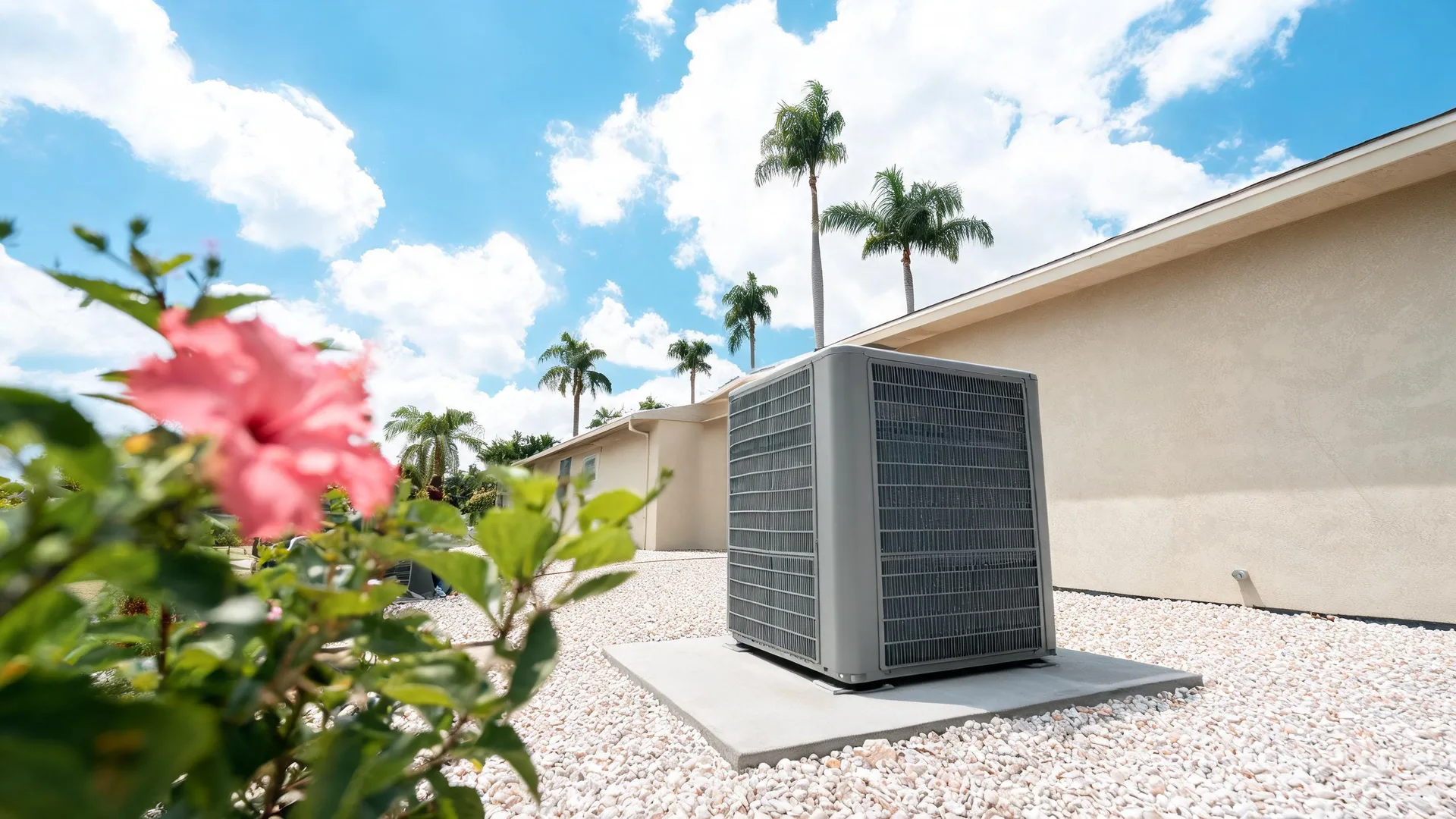
The install work decides what the rating actually delivers

A heat pump rated well in the showroom can still underperform once it's in the ground or on the wall, if the refrigerant charge is off or the line set is too long or poorly insulated. Airflow matters just as much. Ductwork that's too restrictive, or a duct system never checked against the new unit's needs, chokes output the rating assumed it would have. The equipment is only half the job. How it's set, charged and connected is the other half, and that's the part that doesn't show up on the spec sheet.

Sizing a heat pump starts with a heat loss calculation, not a guess based on the old system or the square footage of the house. A contractor works out how much heat each room loses through its walls, windows and ceiling, then adds those numbers up to get the total the new unit has to cover. Skip that step and you're sizing off habit, and habit is usually wrong in one direction or the other. Manual J is the calculation most contractors use for this, and it accounts for things square footage never will, like window orientation, insulation levels and ceiling height. The output of that calculation is what tells the installer which unit size actually fits, not the size that was there before.

Roosevelt County saw 213 severe weather events between 2015 and 2024, and 127 of those were damaging wind. Hail hit 59 times in that same stretch, and an outdoor heat pump unit sits right out in it, exposed to both. Winter storms added another 27 events, heavy snow, ice, blizzards, the kind of weather that knocks power out along with the temperature. Statewide, 18% of Montana households lost power for a day or more in 2024. A heat pump needs electricity to move heat at all, so where the outdoor unit goes and what shields it from wind and hail is worth working out before it's installed, not after the first storm finds it. Worth asking too how you'd keep the house warm and the water hot if the power drops for a day in the middle of winter.