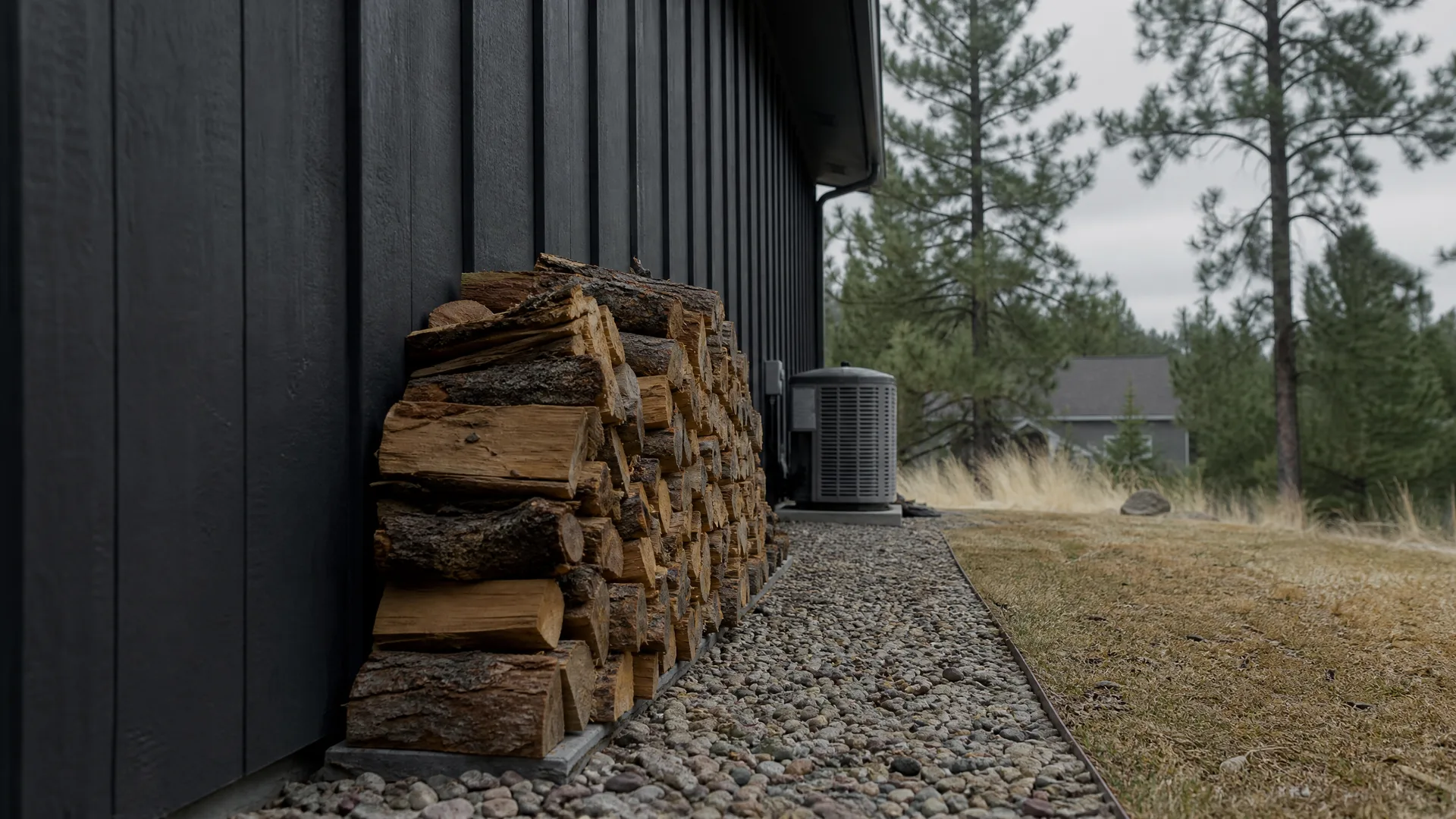

Split firewood stacked against the dark vertical board siding of a house, beside a gravel strip, an outdoor air conditioning unit, dry grass and pine trees.

Heat Pump Installation in Sidney, MT

Tell us about the job

Takes about a minute. No obligation.

New system or replacementHeat PumpRichland County, MT
Step 1 of 2

What ZIP code is the job in?

Gas heats a little over half the homes in Richland County, and most of the rest run electric or propane. A heat pump replacing a gas furnace is doing new work here rather than swapping in for what the house already had. That changes what the installer looks at. The gas line may still make sense to keep for backup on the coldest days, or the system can be sized to carry the full load on its own. Either way, the ductwork already in your home needs to be checked against what a heat pump moves, since it supplies air differently than a furnace does.

9 months
September through May, your system heats
2 months
July through August, it cools
6°F
the average winter night it heats against
82°F
the average summer afternoon it cools against
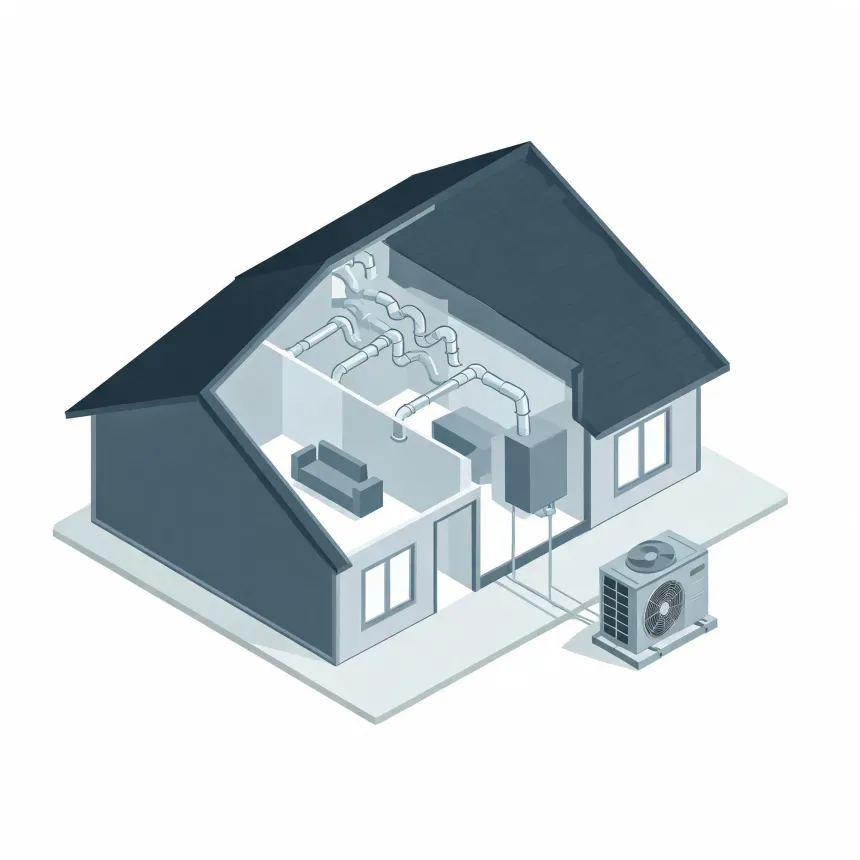
Isometric cutaway illustration of a house showing interior ductwork, an indoor air handler unit, and an outdoor condenser unit beside the building.
Your system heats September through May and cools July through August.

NOAA nClimDiv, 1991–2020 normals

Winter nights in Richland County average 6 degrees above zero, December through February.

A heat pump has to be sized to keep pulling heat from outside air at that temperature, not just on a mild day.

Sidney sees its share of wind, hail and winter storms, but none of it calls for sizing a heat pump beyond what the house needs

163 severe weather events from 2015 to 2024
18% of homes statewide lost power a day or more in 2024
91 damaging wind events from 2015 to 2024

A heat pump here doesn't need to be oversized or loaded up with extra features to earn its keep. Montana homes paid 12.66 cents per kilowatt-hour in 2024, below the national average, so running one through a Sidney winter costs less than it would in a lot of other places. That's a reason to size it right rather than go bigger for the sake of it. A properly sized system will run longer, steadier cycles, which is how a heat pump is supposed to work anyway. Spending more for extra capacity you don't need just raises the install cost without lowering what you pay to run it.

A system built for Sidney's winters, and a credit toward installing it

Richland County falls in climate zone 6B, and any split-system heat pump installed here has to meet federal minimums of 14.3 SEER2 for cooling and 7.5 HSPF2 for heating. That narrows the field before you even start comparing units. A federal tax credit is available for qualifying installations, which helps offset a system built to handle a zone 6B winter.

Find a contractor
A gray outdoor HVAC unit mounted on a concrete pad beside a house with gray lap siding and a stone foundation.

Built in different decades, running the same job now

Half the homes in Richland County were built in 1980 or earlier, half in 1980 or later. Age alone doesn't tell you what's inside the walls or what the ductwork looks like, so that's still worth checking before a heat pump goes in. Mobile homes make up 16.7% of the housing stock here, and those often call for a different approach to sizing and ducting than a standard frame house. Outside of that, a heat pump installed today runs the same regardless of when the house was built. It cycles on when the thermostat calls for it, through the cold months and the hot ones, for as long as the system lasts.

The old furnace or AC comes out

Whoever installs the heat pump also handles removing what's there now, the furnace, the outdoor condenser, or both. The refrigerant in an old AC has to be recovered properly before the unit is disconnected, that's not optional and it's not a step you'd do yourself. A gas furnace gets disconnected from the gas line and vented flue as part of the same job.
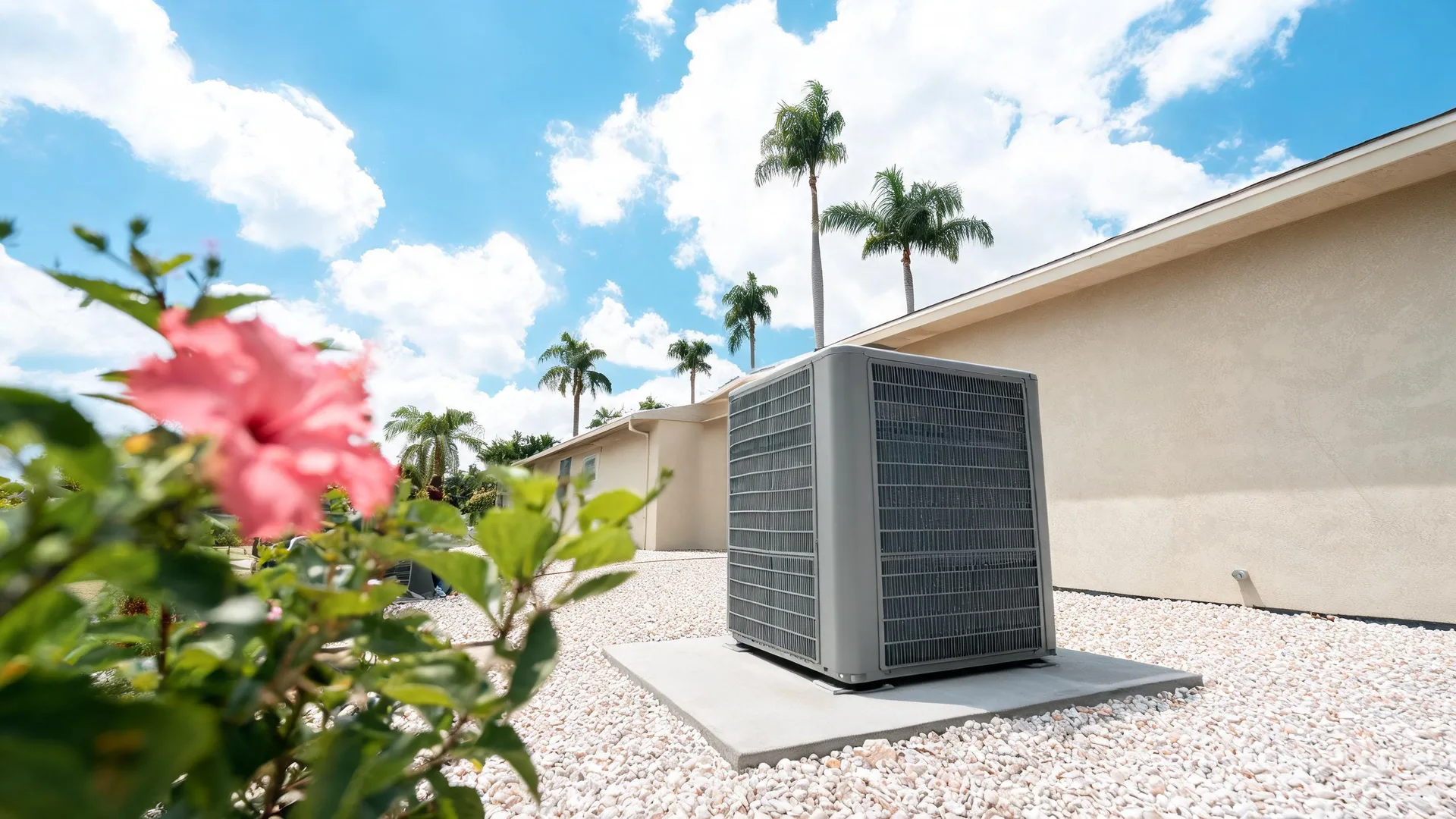
Keeping a furnace as backup changes the job

If the gas furnace stays in place for backup heat on the coldest days, the install becomes a dual fuel setup rather than a straight swap. That means wiring a thermostat that can switch between the heat pump and the furnace, and making sure the furnace's blower still works with the new outdoor unit. It's more coordination during install, but it means the gas line and furnace don't go to waste if they're already there and working.

SEER2 and HSPF2 on the label measure efficiency, not capacity. A higher number means the unit moves more heat per unit of electricity, nothing about how much heat it can deliver to your house. Units with the same rating can still be sized completely differently for the same home, so the rating alone doesn't tell you whether a unit fits. Sizing depends on the house, the ductwork, and the coldest stretch the system has to handle, and that work happens separately from reading the label. A unit picked on the rating alone, without that sizing worked out, ends up running longer than it should just to keep up.

Install day starts with the outdoor unit and the indoor coil, and most of the time goes into things you won't see once it's done. The line set connecting them has to be cut to length, brazed, and pressure tested before any refrigerant goes in, since a bad joint shows up as a slow leak months later. Electrical is its own step, a heat pump draws differently than the furnace or AC it's replacing, so the breaker and wiring get checked against what the new unit actually needs. The thermostat is wired last, after the indoor and outdoor units are both in place, since it's what tells the system when to run and which mode to run in. Once everything is connected, the installer runs the system through its paces, checking refrigerant charge and airflow before calling it done. None of that shows up on the label of the unit itself, but it's what decides whether the system runs the way it's supposed to once it's left to do its job.