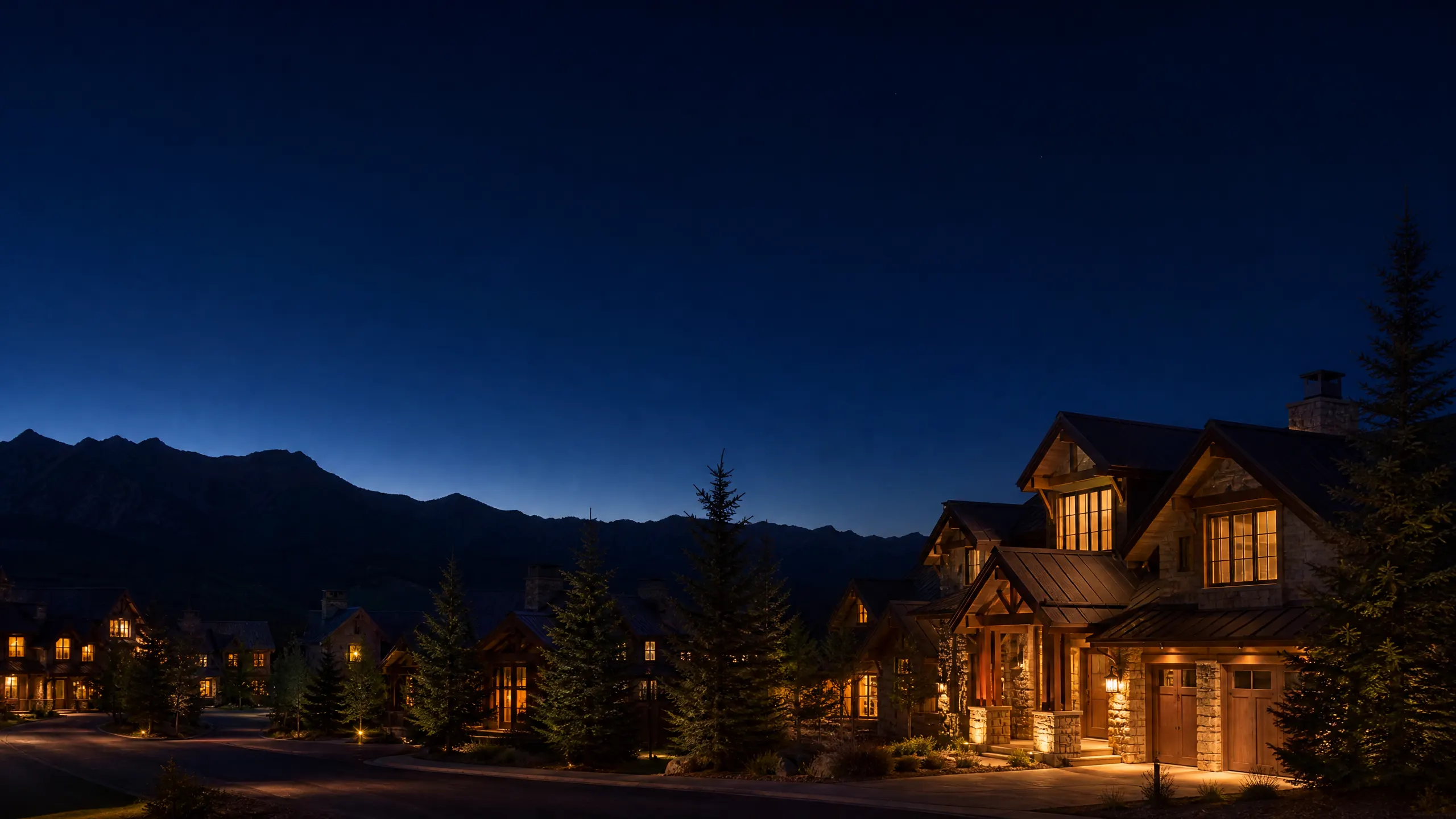




Illuminated timber-and-stone houses line a residential street at dusk, with evergreen trees in the foreground and a silhouetted mountain range behind them.

Heat Pump Installation in Glendive, MT

Tell us about the job

Takes about a minute. No obligation.

New system or replacementHeat PumpDawson County, MT
Step 1 of 2

What ZIP code is the job in?

Electricity here runs 12.35 cents per kilowatt-hour, cheaper than most of the country. That sounds like good news for a heat pump, and it is, but it cuts the other way too. A heat pump that runs efficiently saves you less here than it would somewhere with expensive power. The flip side matters more: a poorly sized or poorly installed one still runs constantly through a Glendive winter, and every bit of wasted electricity shows up on the bill whether power is cheap or not. Low rates buy you some room. They don't make up for a system working harder than it should.

9 months
September through May, your system heats
2 months
July through August, it cools
8°F
the average winter night it heats against
82°F
the average summer afternoon it cools against
Isometric cutaway illustration of a house showing attic ductwork, an indoor air handler, furnished rooms, and an outdoor condenser unit connected by lines along the exterior wall.
Your system heats September through May and cools July through August.

NOAA nClimDiv, 1991–2020 normals

Heat here runs from September through May, nine months out of the year.

Get a heat pump installed in August and it's ready before it has to carry the whole house through a Glendive winter.

Half these homes were built in 1966 or earlier, and a heat pump has to work with the house it goes into

Half the homes here were built by 1966
Climate zone 6B
Power here costs 12.35 cents per kilowatt-hour
Dawson County weather doesn't go easy on outdoor equipment208 severe weather events hit the county between 2015 and 2024.

Dawson County falls under zone 6B, a cold and dry climate zone in the 2021 energy code. Any split-system heat pump installed here has to meet the federal minimum for that equipment: at least 14.3 Btu of cooling for every watt-hour of electricity, and at least 7.5 Btu of heat for every watt-hour over the winter. Those numbers set the floor, not a target. They narrow what a contractor can put in, since anything built before January 2023 may not clear it. A system that just meets the minimum is still a legal install. Whether it's the right one for a Glendive winter is a separate question.

Get the sizing right and the low rate works for you

Sizing and installing this correctly is what decides whether the low electric rate ever gets to help you. Get the heat pump matched to the house before the first bill comes due.

Find a contractor
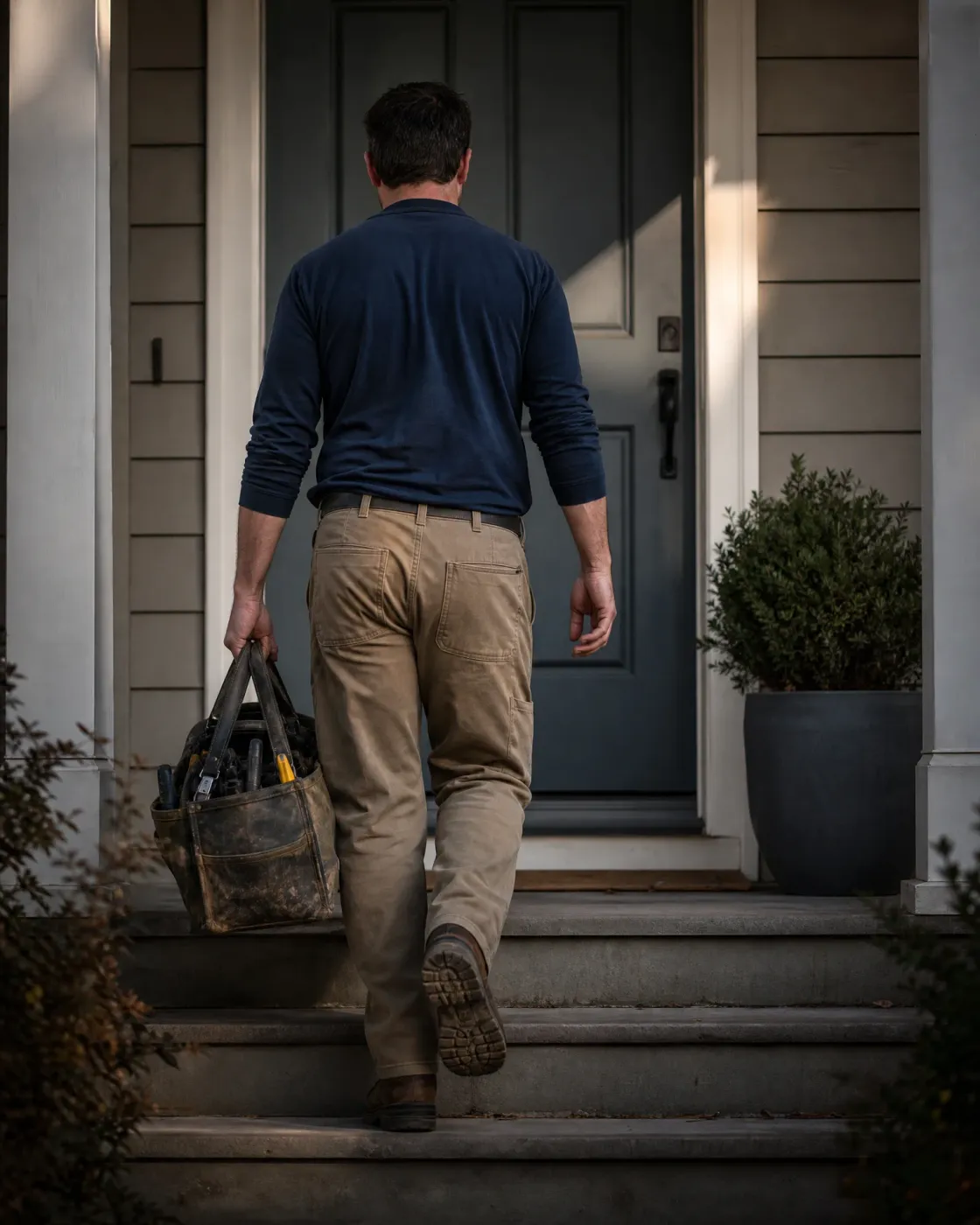
A man in a navy long-sleeve shirt and tan pants carries a canvas tool bag up concrete steps toward a dark blue front door flanked by columns and a potted shrub.
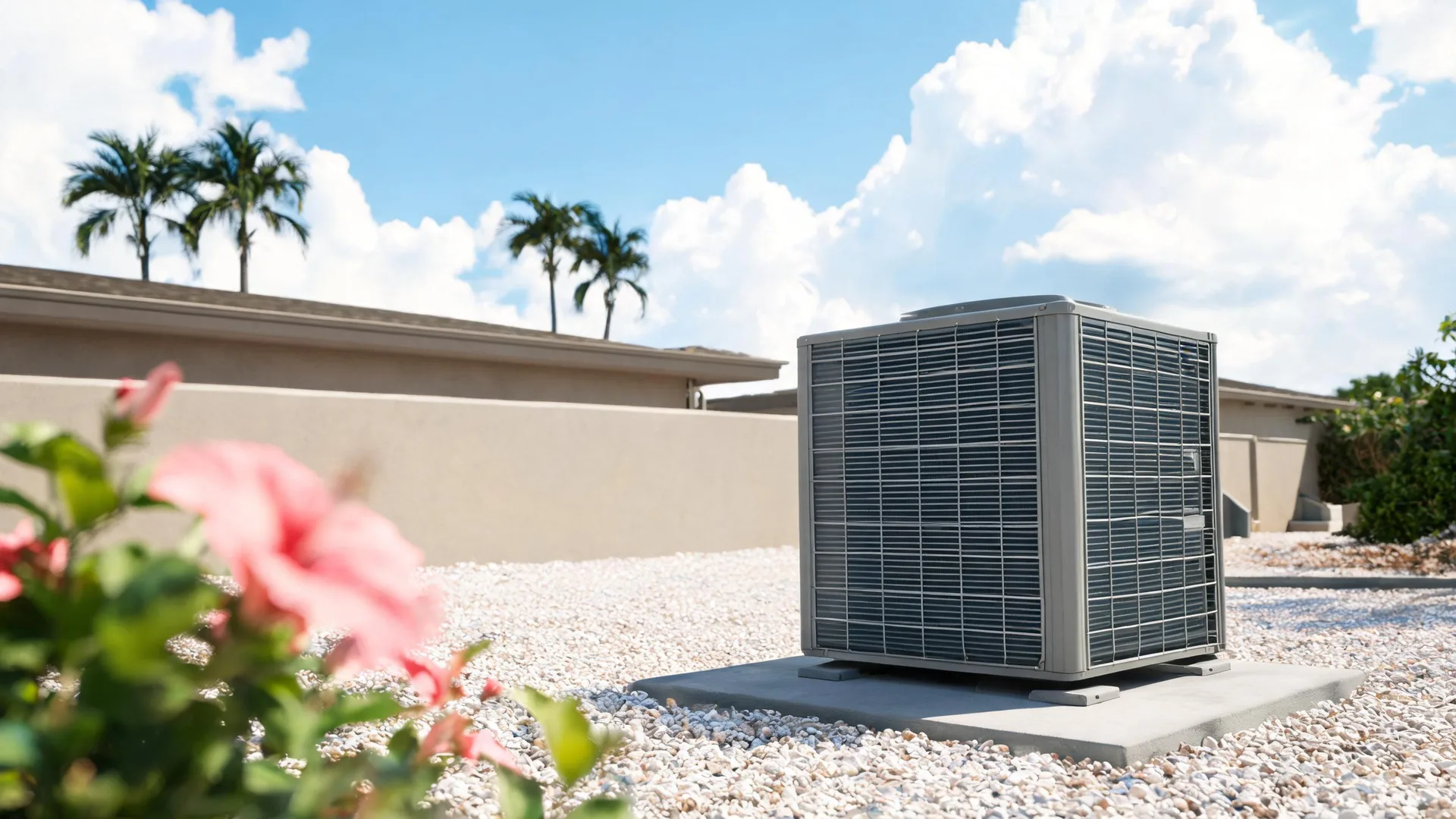
A gray air-source heat pump mounted on a concrete pad next to a house with gray vinyl siding, surrounded by gravel and flanked by green shrubs and white hydrangea flowers.

Years of runtime, in a house built before any of this was a question

A heat pump installed now will run through a lot of winters, in a house that was built for a different kind of heat. Half the homes in Dawson County went up in 1966 or earlier. A contractor working on a house that old has to size the system off the house itself, not a square footage chart, because the walls, the windows and the gaps that let heat out are not the same as in a house built last year. Get the sizing wrong and the machine doesn't fail. It just runs longer than it should, every month, to cover for a mismatch nobody caught before the install.

Sizing the equipment to the house

A contractor figures out how much heat the house loses and how much it gains before picking a unit. That means checking the windows, the insulation, the duct layout, the square footage room by room. Skip that work and the quote might look simpler, but the equipment picked off a rule of thumb rarely matches the house it goes into.
What the outdoor and indoor units cost to put in

The outdoor unit, the indoor air handler or coil, the line set connecting them, the electrical work to feed the system, and any ductwork that needs modifying all add up separately. A straightforward swap where the old equipment matches up well costs less than a job where the ducts need resizing or the electrical panel needs work to carry the new load.

The rating on the label, the SEER2 and HSPF2 numbers, tells you how much heat the unit moves for the electricity it uses, not how big a house it can handle. A high rating on an undersized unit still leaves rooms cold, because capacity and efficiency are two different things on two different lines of the spec sheet. That rating also comes from lab testing at set conditions, so it describes the equipment, not your ductwork or how tight the house is. Two homes with the same unit can see different bills if one has leaky ducts or a crawlspace losing heat the machine never gets credit for. The number is a fair way to compare one unit against another before you buy. It stops being useful once the unit is sitting outside and the ducts, the insulation and the install itself start deciding what actually happens to the bill.

Gas heats 67.7% of homes in Dawson County, more than electricity and propane combined. A heat pump doesn't replace that outright. Most installs here pair the heat pump with the existing gas furnace, so the heat pump carries the house through the milder months and the furnace takes over when it gets cold enough that gas is the cheaper way to make heat. That setup works with what's already in the house instead of against it. The gas line, the furnace, the ductwork are already sized and in place, and a contractor can build the heat pump into that system rather than ripping out a setup most of the county already relies on.