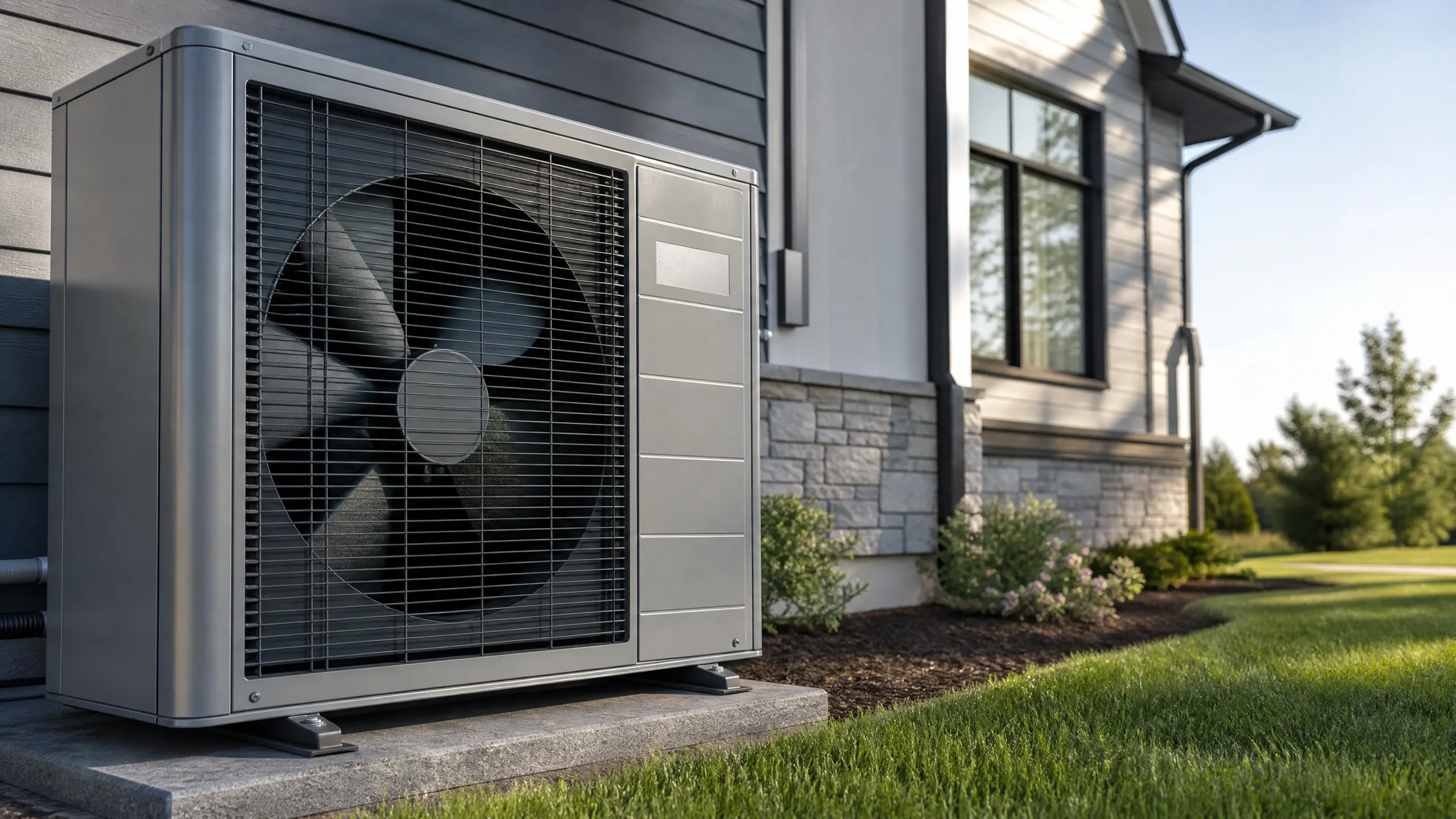



A grey heat pump outdoor unit mounted on a concrete pad against the exterior wall of a house with grey siding and stone veneer.

Heat Pump Installation in Kalispell, MT

Tell us about the job

Takes about a minute. No obligation.

New system or replacementHeat PumpFlathead County, MT
Step 1 of 2

What ZIP code is the job in?

Power here runs 10.17 cents a kilowatt-hour, cheaper than most of the country. That sounds like good news for anyone running a heat pump, and it is. But a heat pump that runs inefficiently still costs you more here than it would somewhere with mild weather, because of how much it has to run, not just what each hour of power costs. A unit sized wrong or installed poorly works harder for the same result, and you pay for that extra work every month it's in the ground. The price per kilowatt-hour is only half the number that matters. The other half is how many hours the system runs to keep your house at temperature, and that depends on the install.

11 months
August through June, your system heats
17°F
the average winter night it heats against
72°F
the average summer afternoon it cools against
Isometric line illustration of a cutaway house showing interior rooms with furniture, ceiling ductwork connected to an indoor air handler, and a line running outside to an outdoor condenser unit.

Gas heats more homes in Flathead County than anything else, at 43.4 percent.

If your house already has a gas furnace, pairing it with a heat pump instead of ripping it out is usually the simplest path.

Eleven months of heat a year means this job can't wait until the cold catches you

Heat runs August through June
69 damaging wind events from 2015 to 2024
12 hail events from 2015 to 2024

Flathead County falls in climate zone 6B, a cold zone under the 2021 energy code. Any heat pump installed here has to meet the federal efficiency minimums that took effect in 2023: at least 14.3 Btu of cooling for every watt-hour of power in summer, and at least 7.5 Btu of heat for every watt-hour in winter. Those numbers set the floor, not the ceiling, and they narrow down which units are even allowed in the ground here. A system that just clears the minimum will run differently over a long winter than one built above it. The federal tax credit is available on qualifying equipment, on top of whatever the unit itself saves you in daily use.

Get the install right and cheap power stays cheap

The install decides how many hours the system runs to hold your house at temperature, and those hours are what show up on the bill every month after. Getting the sizing and setup right once, at the start, is what makes that cheap power actually work in your favor.

Find a contractor
A gray heat pump condenser unit mounted on a concrete pad against the gray lap-siding exterior wall of a house.

The old equipment runs until the new one is ready, then it comes out

Whatever is heating and cooling the house now doesn't just vanish from the job. If it's a furnace paired with central air, the furnace often stays in place and the heat pump gets added as the lead system, switching over to the furnace only when it's too cold for the heat pump to keep up on its own. If the old system is a straight AC condenser, that outdoor unit comes out and the heat pump takes its spot on the pad, using the same refrigerant lines and the same indoor coil location if the sizing allows it. An old coil left in the air handler is worth checking: mismatched coils make the new system work harder than it should, even when the rest of the install is done right. Whatever gets removed, the refrigerant inside it has to be recovered into a tank, not vented, before the lines get cut. None of this is a reason to wait. The old equipment keeps running right up until the new one is ready to take over, so there's no stretch of time with no heat or no cooling in the house.

Sizing decides the price, not just the unit

A contractor has to run a load calculation on the house before quoting anything, checking square footage, window placement, insulation, and ceiling height room by room. Skip that step and the quote is just a guess dressed up as a number. A unit sized off that calculation costs more upfront to spec correctly, but a unit sized by eyeballing the old equipment can cost the homeowner for years in extra run time.
The ductwork decides how much the install touches

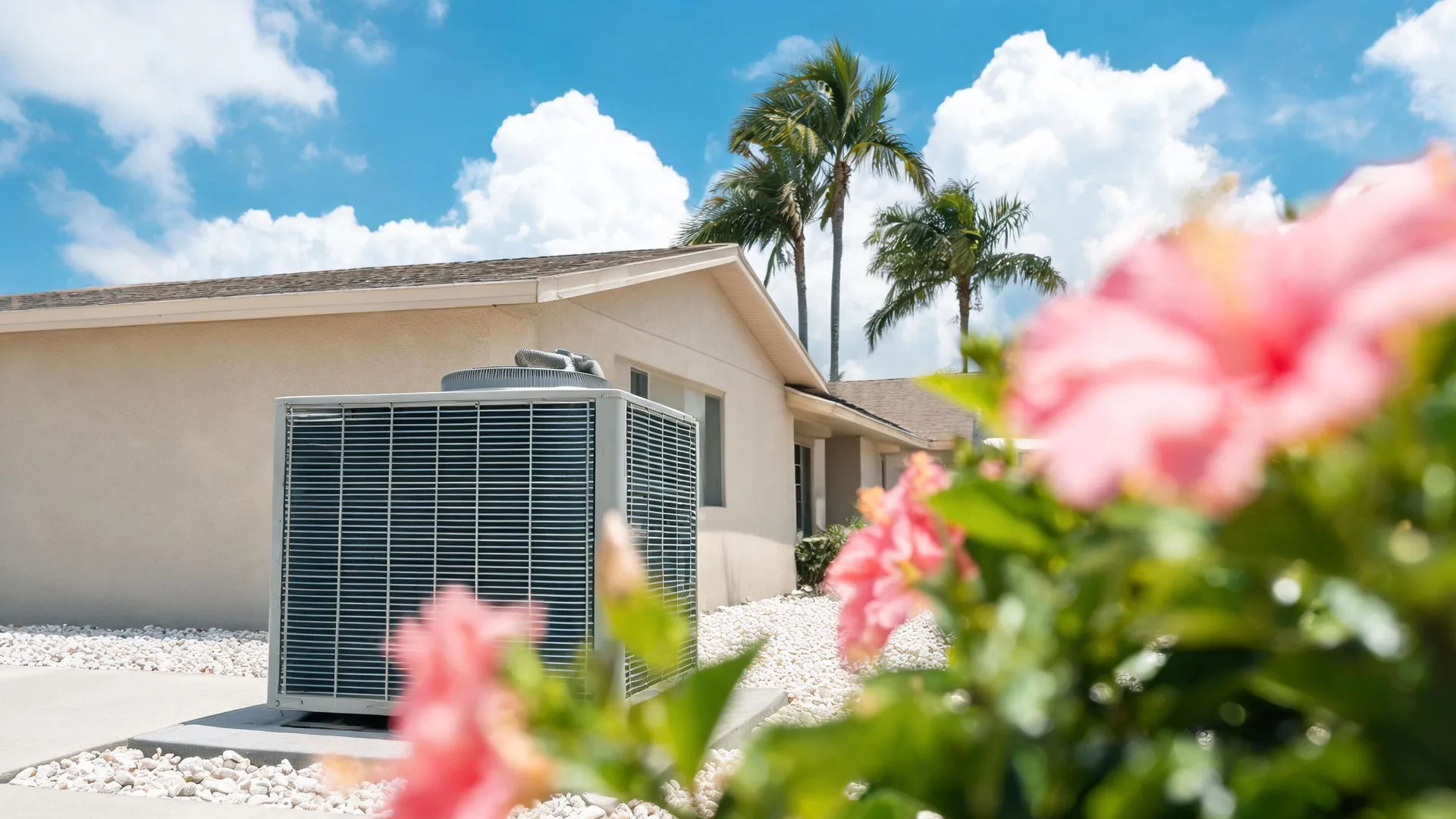
A heat pump moves a different volume of air than a furnace or straight AC did, especially at the lower, longer heating cycles it runs on. If the existing ducts are undersized or leaky, the installer has to decide whether to modify them or leave them alone and accept a system that underperforms. Sealing and resizing ductwork adds real labor to the job. A house with ducts already sized right for the new equipment skips that cost entirely.

Flathead County saw 205 severe weather events between 2015 and 2024, and 124 of those were winter storms with heavy snow, ice or blizzards. Damaging wind hit the county 69 times in that same stretch, and hail came through 12 times. Hail and wind both reach the outdoor unit, since it sits outside year round with no wall around it. Statewide, 18 percent of Montana households lost power for a day or more in 2024. A heat pump stops moving heat the moment the power does, same as a furnace blower or an electric water heater, so an outage during a cold snap means no heat until power is back.

Ask the installer what will protect the outdoor unit once it's placed, since hail and wind both reach it out there. A guard or enclosure built for the unit is worth asking about, given how often hail and wind come through this county. A heat pump also can't run on a generator the way a gas furnace burner can, so if losing power for a day matters to your household, that's worth raising with the installer before the job starts, not after a storm takes the lines down. A furnace kept in place as backup heat still needs its own power to run the blower, so a generator plan has to cover that too. None of this changes what unit goes in. It changes what's around it and what happens the next time the power goes out.