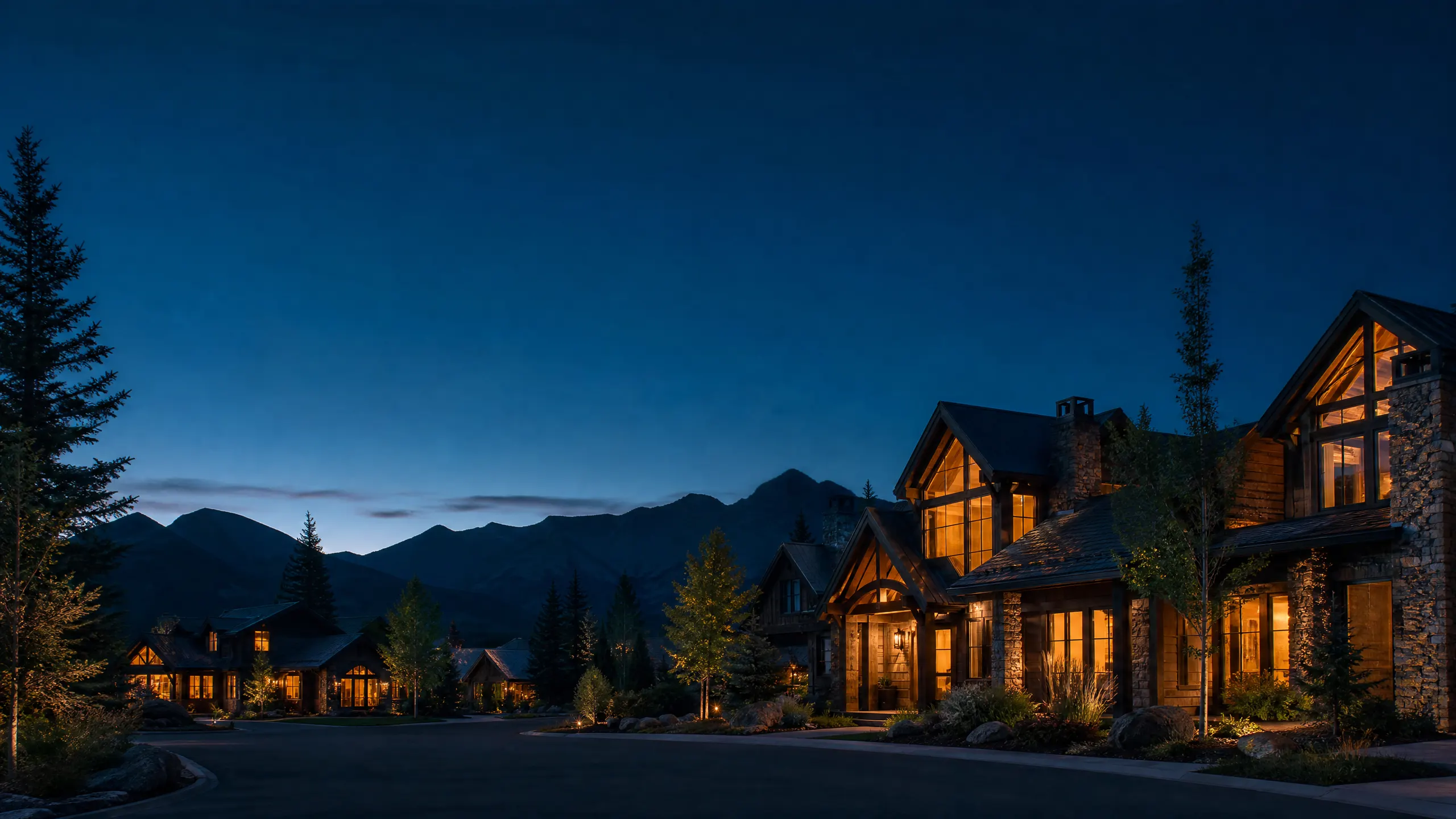
Illuminated stone-and-timber mountain homes line a quiet street at dusk, with evergreen trees and a mountain range in the background.

Heat Pump Installation in Bozeman, MT

Tell us about the job

Takes about a minute. No obligation.

New system or replacementHeat PumpGallatin County, MT
Step 1 of 2

What ZIP code is the job in?

Power here is cheap, but this machine runs a lot

Electricity in Gallatin County runs about 13.59 cents per kilowatt-hour, lower than most of the country. A heat pump here still puts in long hours getting a house through winter and keeping it cool through a dry summer.

How it runs decides what shows up on the bill

A heat pump working this hard turns every inefficiency into kilowatt-hours used. The install matters as much as the price of power, since a system sized and set up right is what keeps those hours from adding up.

10 months
September through June, your system heats
13°F
the average winter night it heats against
74°F
the average summer afternoon it cools against
Isometric grayscale illustration of a cutaway single-story house showing interior rooms, ductwork and an air handler, an exterior condenser unit connected by lines, and dark solar panels on the roof.

Heat here starts in September, so August is the month to have a new system in place.

Installing before the first cold snap means the job happens on your schedule, not during an emergency call in a Bozeman winter.

Most homes here already run on gas, which makes a heat pump the thing being added, not the thing replacing it

55.2% of homes heat with gas
Climate zone 6B
Power here costs 13.59 cents per kilowatt-hour
Weather Here Takes Down Power. Plan For It.Gallatin County saw 229 severe weather events between 2015 and 2024, including 124 winter storms and 77 damaging wind events.

Gallatin County falls in climate zone 6B, a cold, dry zone under the 2021 energy code. Any split-system heat pump installed here, if manufactured from 2023 on, has to clear federal minimums built for that kind of climate: at least 7.5 Btu of heat moved per watt-hour of electricity over the winter, and at least 14.3 Btu per watt-hour over the summer. That heating number is the one that matters most in a zone 6B winter. Not every model on the market clears both bars, so the rating narrows what can go into the house before cost ever enters the conversation. A buyer here is also looking at a federal tax credit for qualifying equipment, which can offset part of the purchase.

A system that runs well here is what keeps the bill down

The install decides how many kilowatt-hours this heat pump uses to get through a Bozeman winter and a dry summer. Getting that right, the sizing, the setup, the charge, is what makes the difference show up on the power bill instead of just on paper.

Find a contractor
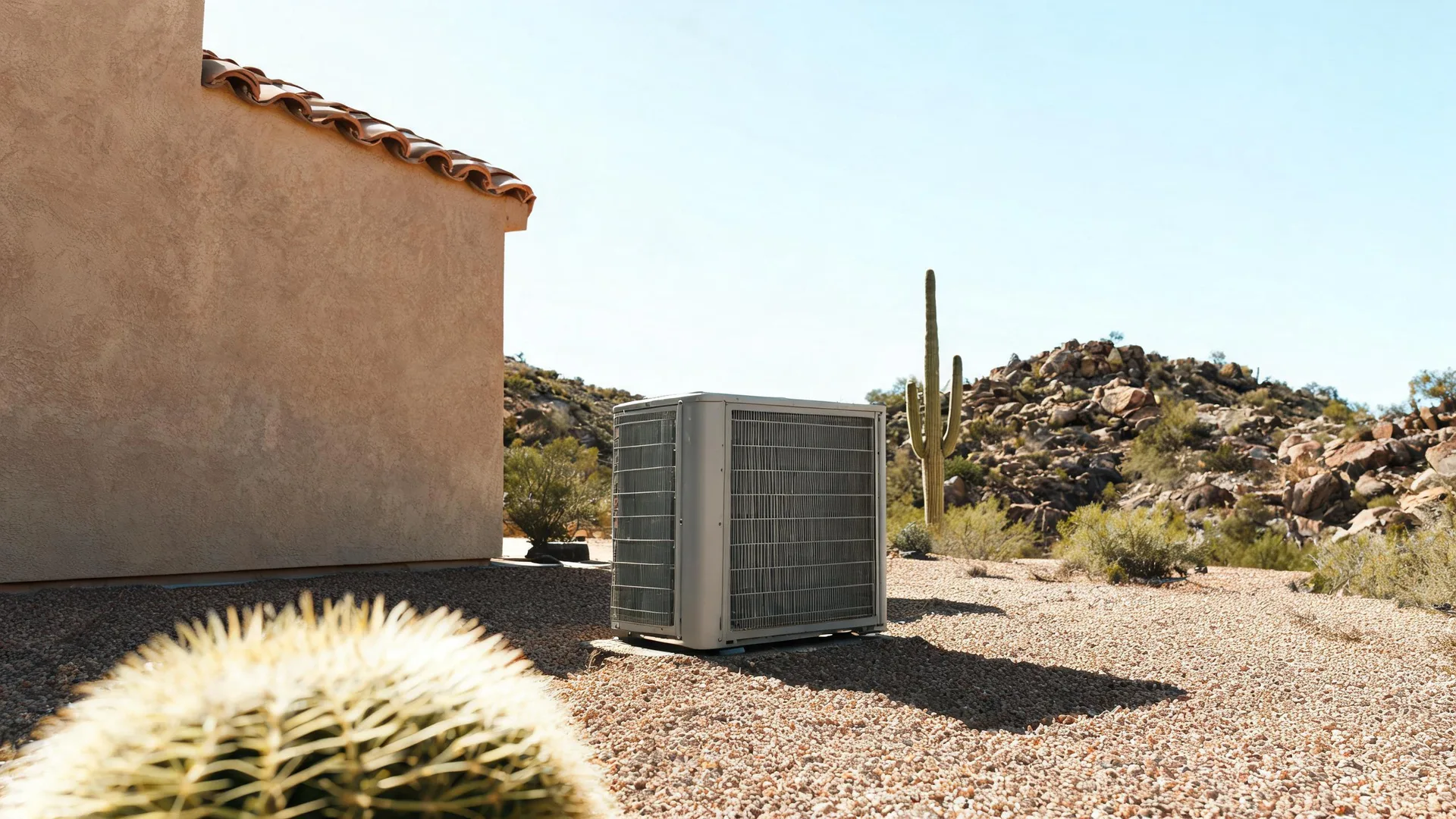
A gray heat pump outdoor unit mounted on a concrete pad next to the stone-accented exterior wall of a house.

Working Twice as Hard, Twice a Year

This heat pump runs through a long cold stretch and then a dry summer on top of it, with no real break in between. Winter storms hit this county 124 times between 2015 and 2024. Every one of those is the heat pump working to keep the house warm while snow or ice loads the outdoor unit. Summer here is drier than most places, so the unit isn't fighting heavy, humid air to cool a house, but it's still running through the hours of a hot dry stretch. Long runtimes in both directions wear on the same parts: the compressor, the fan motor, the reversing valve that switches it between heating and cooling. A system doing double duty like this shows wear sooner than one that only has to heat or only has to cool.

The old system doesn't just vanish

Whatever heats the house now, a furnace, a boiler, an older heat pump, gets disconnected and hauled out as part of the install. If it runs on gas, the line gets capped off the right way, not just shut at the valve. If it's an old heat pump or AC unit, the refrigerant inside has to be recovered before the unit is cut loose, not vented.

A gas furnace can stay in the picture

Pulling out a working furnace isn't the only option when a heat pump goes in. Plenty of installs pair the two, with the heat pump doing the work most of the year and the furnace wired in as backup for the coldest stretches. That setup changes what the install actually involves, since the ductwork and controls have to work with both systems instead of just one.

What drives the price of an install is less the unit itself than what it takes to connect it to the house. A heat pump needs a line set run between the outdoor unit and the indoor coil, and if the ductwork already in place wasn't sized for it, that duct work adds to the job. The electrical side matters too: a heat pump draws on a dedicated circuit, and if the panel doesn't have room or the wire gauge isn't enough, that's a separate piece of work before the unit ever gets set. Where the outdoor unit goes counts as well, since it needs clearance to pull in air and a path for condensate to drain away from the foundation. Pairing it with an existing furnace instead of replacing it outright changes the controls side, since something has to tell the two systems when to hand off to each other. None of that shows up in the price tag on the unit, but all of it shows up in the labor.

Sizing this unit right matters more here than in most places, because it never really gets to rest. A heat pump that's slightly undersized will struggle through the coldest nights and run constantly trying to catch up, and one that's oversized will cycle on and off too fast to run efficiently either season. Buying on price alone tends to mean one of those two problems, since the cheaper unit in a given class is often a corner cut on the compressor or the controls that manage the charge. The ones that hold up through a Bozeman winter and a dry summer back to back are built for that kind of duty, and that's where the price difference actually comes from.