Winter storms are routine here
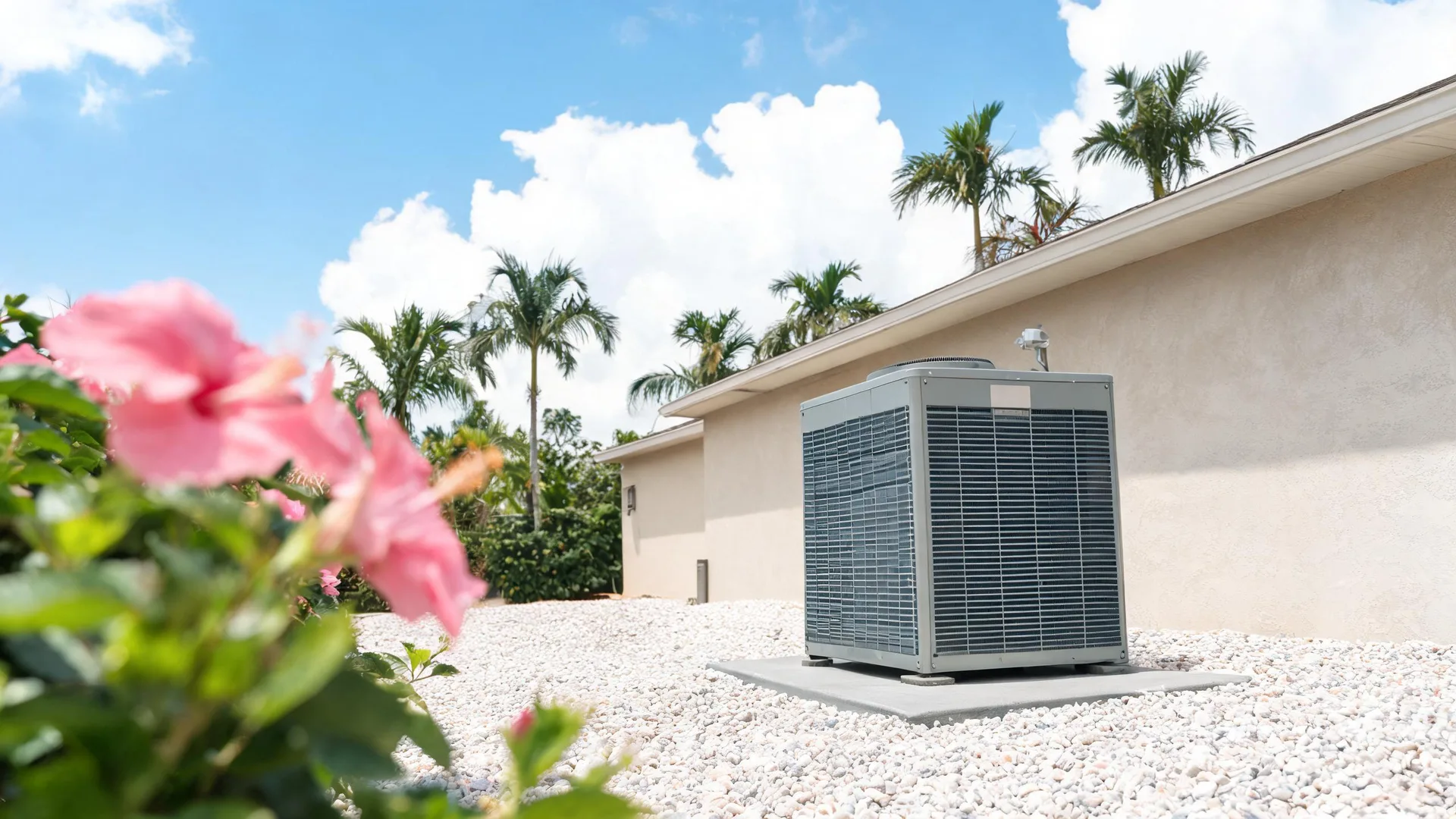
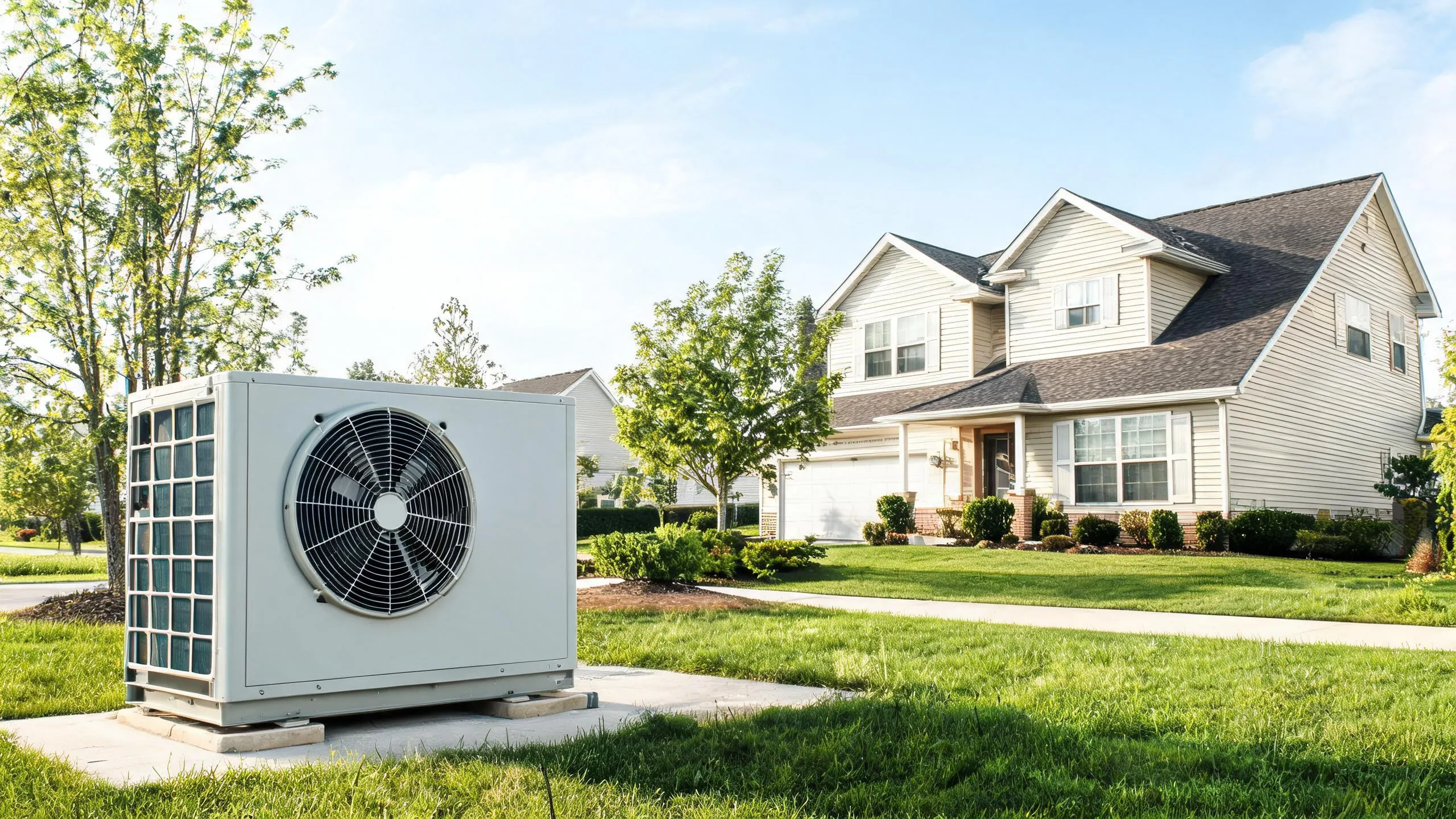
Lake County logged 125 winter storm events between 2015 and 2024, along with 57 damaging wind events and 12 hail events. An outdoor heat pump unit sits through all of it, year after year, in the open.
Takes about a minute. No obligation.
Lake County logged 125 winter storm events between 2015 and 2024, along with 57 damaging wind events and 12 hail events. An outdoor heat pump unit sits through all of it, year after year, in the open.
18% of Montana households went at least 24 hours without power in 2024. A heat pump needs electricity to run, and so does most other heating equipment in this county. Losing power means losing heat until it's back.

Heat here starts running in September.
Install before August ends and the job happens on your schedule, not during the first cold snap.



Lake County falls in climate zone 6B, a cold zone with a long stretch of winter. Any split-system heat pump installed here now has to meet the federal minimum for that kind of equipment: at least 14.3 Btu of cooling for every watt-hour it draws over the summer, and at least 7.5 Btu of heat for every watt-hour over the winter. Those numbers set a floor. A contractor sizing a system for this county has to work within it, and it narrows which models are even on the table. The standard applies to what's installed, not what's already running in a home that hasn't been touched.
Ask about where the outdoor unit goes, so it's not catching the worst of the wind and hail. Ask what happens to heat and hot water if the power drops, and how to cover that gap. Settling these before installation means the system is set up for what this county actually throws at it.
Find a contractorA heat pump runs on both ends of the year, not just the hottest weeks and the coldest ones. It cycles on mild days too, holding a room a few degrees warmer or cooler than the air outside. That adds up to more total run hours over a year than a furnace or an air conditioner alone ever sees, since each of those only works half the year. More run hours means the outdoor fan motor, the compressor and the reversing valve all see more cycles over their life. None of that shortens the system's life if it's sized right and gets its filter changed and its coils kept clear. It just means the thing never really stops working.
A heat pump won't run during an outage unless something else is backing it up. Ask whether a battery or a standby generator can carry the outdoor unit and the air handler, and whether that backup covers the compressor's startup draw, not just its running load. Some backup setups keep lights on but can't swing a compressor.
Cold snaps can push outdoor temperatures below where a heat pump can pull enough heat from the air alone. Ask what kicks in when that happens, whether it's electric resistance strips built into the air handler or a separate furnace paired with the heat pump. That backup heat source is what carries the house through the coldest stretches, not the heat pump itself.
Cheap power changes what's worth paying extra for. A top-tier efficiency model earns back its higher price slower here than in a place with expensive electricity, so that's not where the money should go first. Put it instead into picking the right size for this house and a mount for the outdoor unit that can take wind and hail without shifting. Ask the contractor about backup heat that can actually carry the house through a cold snap or an outage, since that matters more here than shaving a little off a bill that's already low. A mid-efficiency heat pump, sized right and backed up well, holds up better in this county than a high-efficiency one that can't handle the weather or the power going out.
Installation starts with sizing, not with setting the unit down somewhere. A contractor works out the heat loss and heat gain for the house before touching the outdoor pad, because an oversized heat pump short cycles and an undersized one never catches up on the coldest days. The outdoor unit goes on a level pad or mounting brackets, with clearance around it for airflow. Inside, the air handler or the existing furnace plenum gets tied into the ductwork, and the line set connecting the two halves gets run, brazed, and pressure tested before anything is charged with refrigerant. Once the system holds pressure, it gets charged to the exact weight the manufacturer specifies, not just until it feels cold. The last steps are the ones that decide whether it runs well for years: checking airflow across the coil, confirming the thermostat is wired for a heat pump and not a straight furnace, and testing backup heat so it actually kicks in when the outdoor unit can't keep up alone.