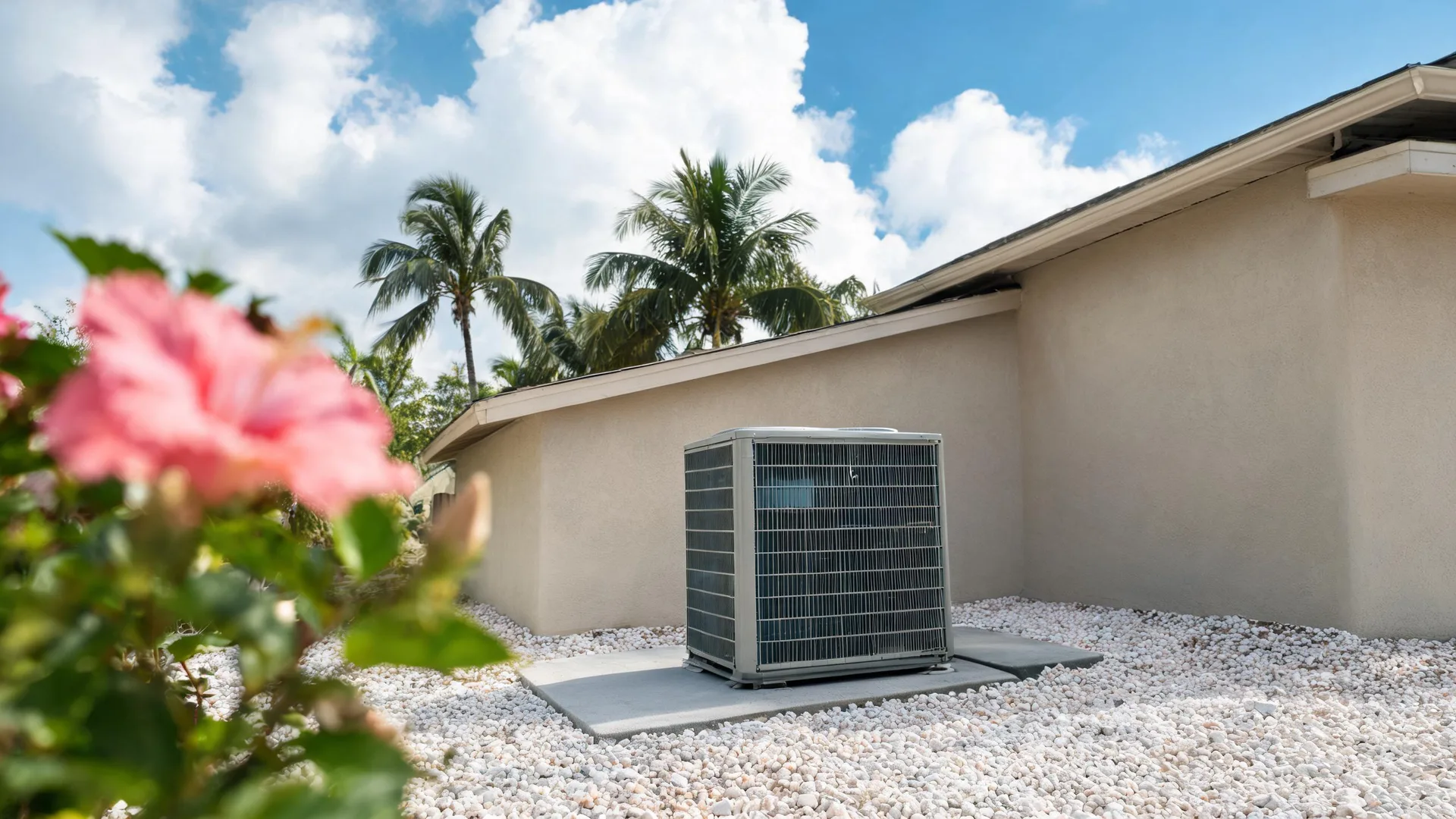
Propane runs most of this town
Bottled or tank propane heats 44% of homes in Mineral County, more than any other fuel. If your house is one of them, you've got a propane furnace or boiler somewhere, and the tank in the yard stays.
Takes about a minute. No obligation.
Bottled or tank propane heats 44% of homes in Mineral County, more than any other fuel. If your house is one of them, you've got a propane furnace or boiler somewhere, and the tank in the yard stays.
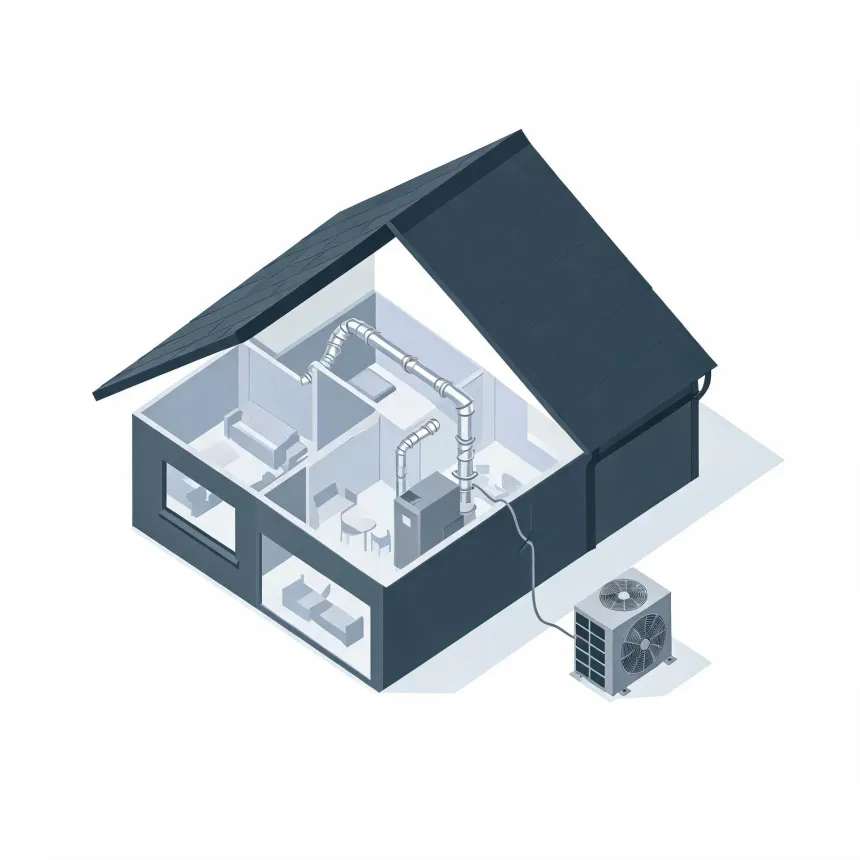
A heat pump installed here usually pairs with that propane furnace rather than replacing it outright. The heat pump handles the milder months, and the furnace takes over once it gets cold enough that the heat pump can't keep up on its own.
A standard heat pump is sized for a standard job here.
Nothing about Superior pushes you toward a bigger unit or a higher-tier one, so a correctly sized standard system is what a contractor should be pricing.



Zone 6B covers Mineral County, and it means a long cold winter. Any heat pump sold for installation here has to clear 14.3 SEER2 for cooling and 7.5 HSPF2 for heating, so every model on your quote already meets that floor. The question is which one clears it best. New installations may also qualify for a federal tax credit, worth asking a contractor about when you compare bids.
Find a contractor
A heat pump that's too big cycles on, satisfies the thermostat fast, and shuts off again before it's pulled enough moisture out of the air or run long enough to heat evenly. A heat pump that's too small runs constantly and still can't keep up when it's coldest, leaning hard on backup heat to make up the difference. Sizing comes from a load calculation, done room by room, that accounts for square footage, window area, insulation and how the house is laid out. Not the size of the system being replaced, not a rule of thumb based on square footage alone. Done right, the unit runs long steady cycles that hold the house at temperature without overshooting or straining.
When a heat pump goes in alongside an existing propane system, there's nothing that needs pulling out. The furnace stays connected and wired to take over when the heat pump can't keep up. Removal only comes up if the old equipment is at the end of its life or in the way of the new installation.
An old furnace or boiler holds refrigerant, oil residue or combustion byproducts depending on what it burned and how it ran. A contractor pulling one out handles the disconnection and hauling away as part of the job, following the disposal rules for whatever the unit contained. That's worth asking about when you compare bids, since not every quote includes it.
HSPF2 and SEER2 tell you how much heat a system moves for the power it uses, not how big it is or how warm your house will feel. A higher HSPF2 means more heat delivered per unit of electricity burned, which matters most on a system that leans on heating far more than cooling. Units carrying the same rating can still run differently in your house, because the rating is measured under set lab conditions, not your actual rooms, ductwork or how tight the place is sealed. It's one number to weigh alongside sizing and installation quality, not a stand-in for either. A correctly sized unit with a middling rating often beats an oversized one with a high rating, since an oversized system never runs long enough to hit its rated efficiency anyway.
Installation starts with setting the outdoor unit on its pad and mounting the indoor coil or air handler, both leveled before anything gets connected. Refrigerant lines run between them, and those joints get brazed, not just fitted together, since a poor braze is where a system loses its charge down the road. Once the lines are run, the system gets pressure tested, then pulled into a vacuum to clear out moisture and air, because either one ruins the refrigerant and the compressor over time. Only after it holds vacuum does it get charged. Electrical work runs alongside this, tying the outdoor unit and any backup heat into their own circuits and wiring the thermostat to control both. The last step is running the system through a full cycle, checking refrigerant pressure, airflow and the temperature split, to confirm it's doing what it's supposed to before anyone calls the job done.