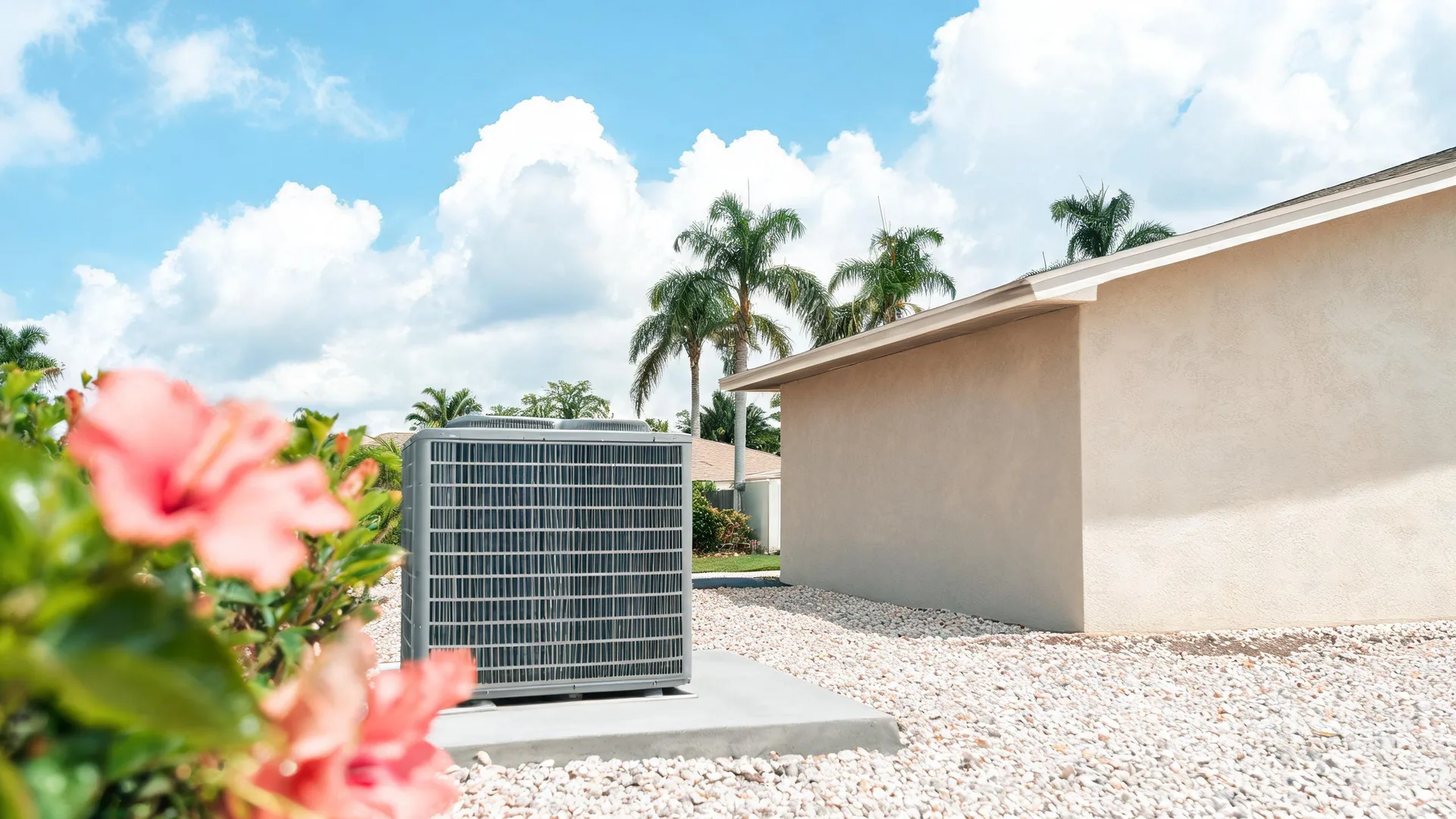
Gas is the common setup here
Utility gas heats 45.8% of homes in Jefferson County, with LP gas heating another 22.6%. Most houses here were built around a gas furnace, not a heat pump.
Takes about a minute. No obligation.
Utility gas heats 45.8% of homes in Jefferson County, with LP gas heating another 22.6%. Most houses here were built around a gas furnace, not a heat pump.
Going from gas or LP to a heat pump means new line sets and electrical work, not a swap of one box for another. Whoever quotes the install should walk you through what your home needs to make that switch.
A standard heat pump sized for your home works fine in Boulder.
There's no reason to pay more for extra capacity or a higher efficiency tier than your house calls for.




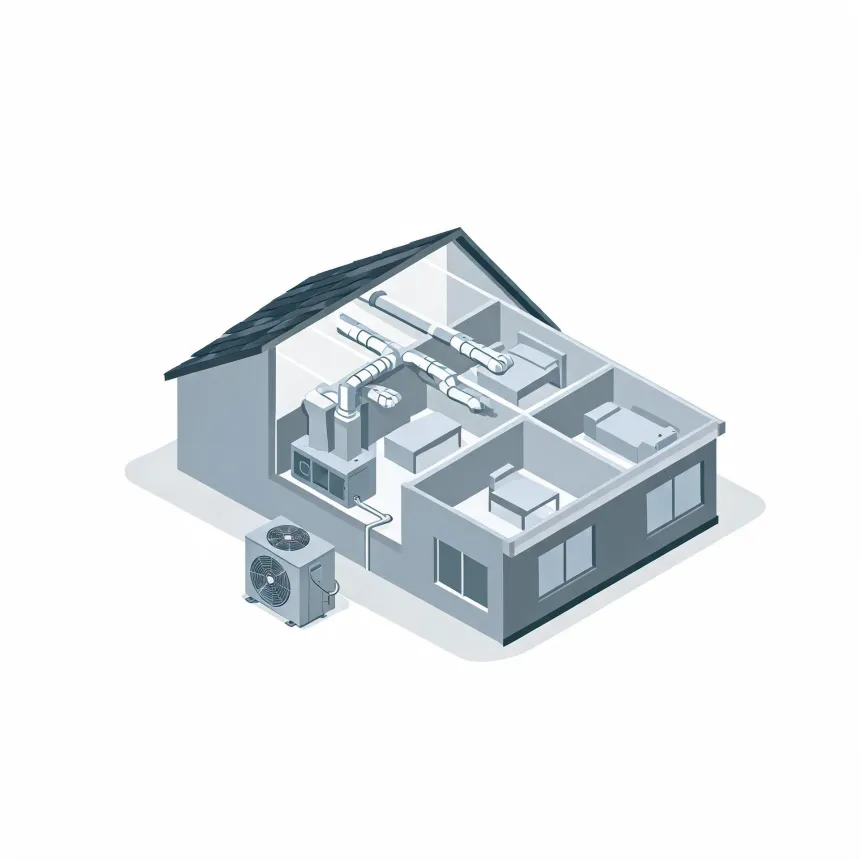
The equipment itself is one line item, but what it takes to get power and refrigerant to it is another, and that second part varies a lot more than people expect. A heat pump needs its own electrical circuit, sized for the compressor and any backup heat strip, and the panel either has room for that or it doesn't. If it doesn't, you're adding a breaker space or upgrading the panel before the outdoor unit ever gets set. Where the indoor and outdoor units go matters too. A short, straight line set costs less to run than one that has to snake through finished walls or up multiple floors. Ductwork is the other piece. If what's there was sized for a gas furnace, it may not move enough air for a heat pump running longer cycles at lower output, and modifying or replacing it costs more than connecting to ducts that are already right.
A system here isn't fighting storms or deep cold every day it runs. That means a standard heat pump, sized right for your house, will hold up fine. Put the money into the electrical and duct work it takes to get it installed right, not into a bigger or higher-tier unit than your home needs.
Find a contractorThis system will run the same way for years, so the specs on paper only tell you part of it. Ask what happens at the lowest outdoor temperatures it will see. Every heat pump loses capacity as it gets colder outside, and the real question is how much it loses and what takes over when it falls behind. Some units lean hard on electric resistance strips for backup heat. Others hold their output better in the cold and need less help from that backup. Ask how the compressor stages, whether it runs at one speed or varies its output to match the load. One that modulates tends to hold a steadier temperature and cycles less. Ask about the defrost cycle too. The outdoor coil frosts over in cold, damp weather, and the unit has to pause and reverse to clear that ice before it can keep heating. How often it defrosts and how it handles that pause matters on the coldest days. Get the sound rating for the outdoor unit if it will sit near a window or a bedroom wall. And ask what the warranty actually covers on the compressor versus the rest of the unit. The compressor is the part doing the work every hour the system runs, and it's the most expensive part to replace.
If the heat pump is taking over full-time, the furnace gets disconnected and removed rather than left in place. It's not doing anything useful once the heat pump and any backup heat strips are handling the load, and leaving a dead furnace in the mechanical space just takes up room you might want for the new air handler or electrical panel work.
Once the furnace is gone, the gas line feeding it has to be capped off safely rather than left open. If nothing else in the house runs on that line, some homeowners have the whole gas service disconnected, but that's a separate decision from the heat pump install itself and worth asking about if the furnace was the last gas appliance in use.
The efficiency rating on a heat pump's label tells you how much heat it moves for the electricity it uses, and a higher number means more heat moved per unit of power. It's worth comparing between units, but it doesn't tell you what the unit will cost to run in your house. That depends on how the system is sized, how it's installed, and how low the temperature gets outside, since every heat pump loses efficiency as the outdoor air gets colder. A unit with a high rating that's oversized for the house, or poorly matched to the ductwork, can end up costing more to run than a correctly sized one with a lower rating. The rating is one input, not the answer, and it only holds up if the rest of the install is done right.
Installation day is mostly electrical and mechanical work, not a quick box swap. The outdoor unit gets set on a pad, the indoor air handler or coil goes in, and a refrigerant line set gets run between them, brazed, and pressure tested before any refrigerant goes in. If new wiring or panel work is part of the job, that gets done and inspected alongside the equipment. Once everything is connected, the line set gets evacuated to pull out moisture and air, then charged to the weight the manufacturer calls for given how long that line run is. After startup, a tech checks refrigerant pressure, airflow at the vents, and that the thermostat is actually controlling the compressor and any backup heat the way it should. None of this runs on guesswork. Skipping a step is usually what shows up later as a system that runs but never quite keeps up.