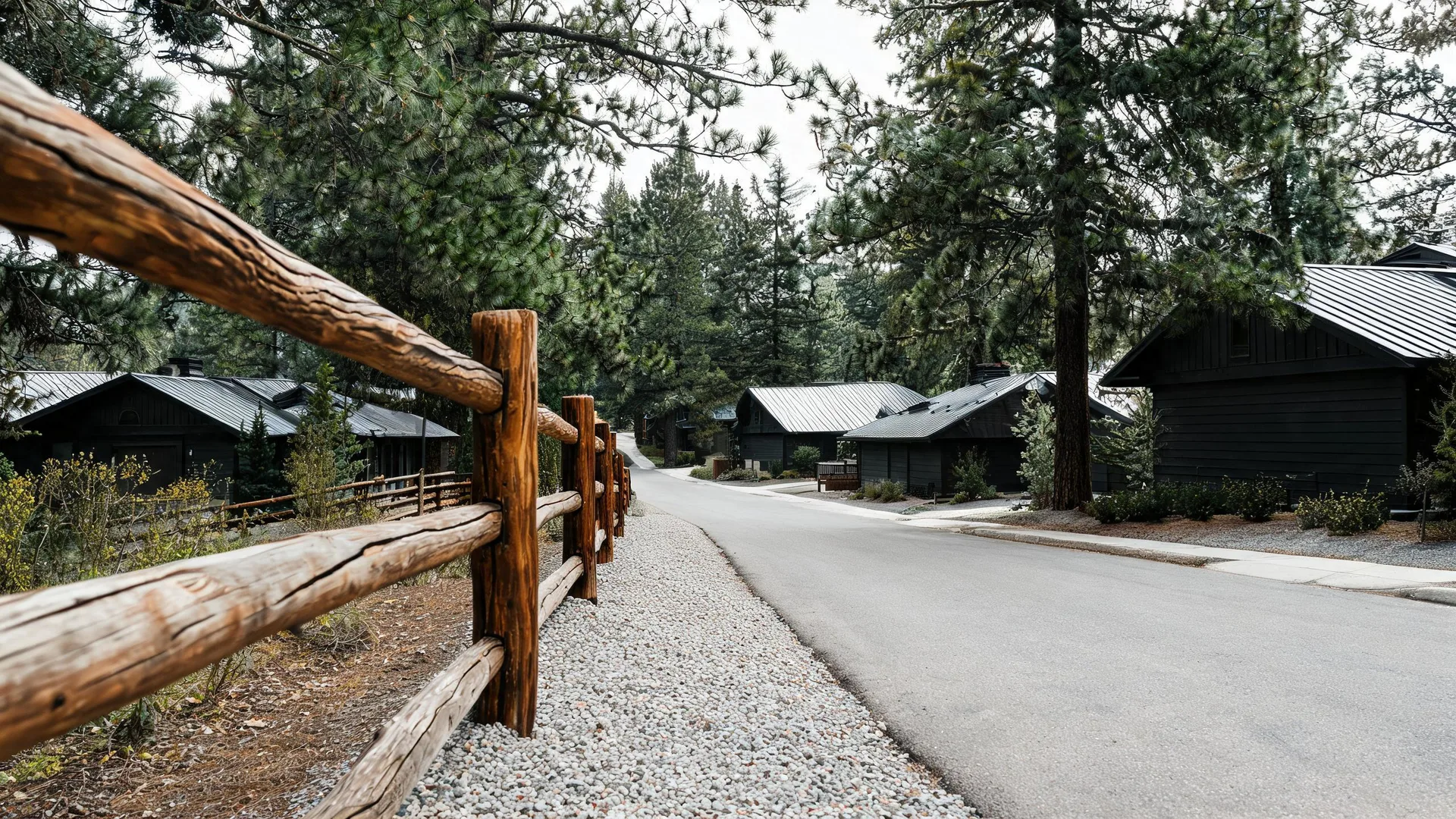
A paved road with a gravel shoulder runs past dark-clad houses with metal roofs among tall conifers, bordered in the foreground by a rustic split-log rail fence.

Heat Pump Installation in Townsend, MT

Tell us about the job

Takes about a minute. No obligation.

New system or replacementHeat PumpBroadwater County, MT
Step 1 of 2

What ZIP code is the job in?

Propane heats more homes here than anything else

In Broadwater County, 43.3% of occupied homes heat with bottled, tank or LP gas. Another 19.0% use electricity, and 14.0% are on utility gas. A home on propane usually has a furnace and ductwork already in place, which gives a heat pump something to pair with rather than replace outright.

What this means for a heat pump install

A heat pump can handle the milder months and let the propane furnace take over when it gets cold, working as a pair instead of a straight swap. Whether that setup fits depends on the furnace already there and the ductwork it runs on, which a contractor needs to look at before sizing anything.

10 months
September through June, your system heats
1 months
July through July, it cools
16°F
the average winter night it heats against
77°F
the average summer afternoon it cools against
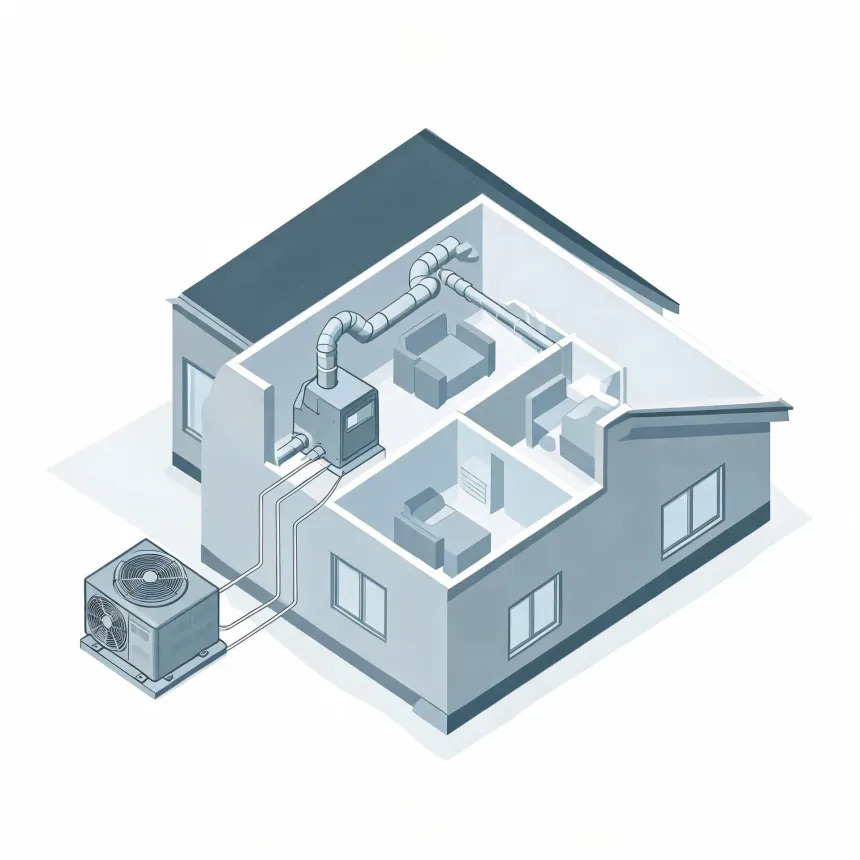
Isometric cutaway illustration of a two-room house showing an indoor air handler with ductwork connected by lines to an outdoor condenser unit on a pad.
Your system heats September through June and cools July through July.

NOAA nClimDiv, 1991–2020 normals

Montana homes paid 12.66 cents per kilowatthour for electricity in 2024.

A standard size and efficiency heat pump fits a Townsend home fine at that rate, with no local reason to pay for bigger or pricier.

Heat runs almost year round here. A heat pump installed in August is ready before it has to work.

Cooling runs July through July
Heat runs September through June
32 damaging wind events from 2015 to 2024
Winters here are cold, not a heat pump's hard seasonOvernight lows average 16°F here, but a heat pump's real enemy is wind and ice damage, not the cold itself.

Broadwater County is zone 6B, a cold climate with dry air and winters that run long. Any split-system heat pump installed here has to meet a federal minimum of 14.3 SEER2 for cooling and 7.5 HSPF2 for heating. That floor applies everywhere, not just here, so it is not a reason to pay more for a higher-rated unit. It does mean a contractor cannot spec something below that line and call it done. A federal tax credit is available on qualifying installations, worth checking against the unit before you sign off on one.

Go with the standard fit

A standard size and efficiency fit fine here. There's no local reason to go bigger or pricier.

Find a contractor
A man in a dark long-sleeved shirt and brown pants walks up concrete steps toward a dark blue front door, carrying a canvas tool bag with tools in it, beside a potted shrub.
A gray heat pump outdoor unit mounted on a concrete pad next to the stone-accented exterior wall of a house.

What to ask before you pick one

Ask what happens at the balance point, the outside temperature where the heat pump stops keeping up on its own and the backup kicks in. Every heat pump has one. Ask how the contractor is sizing the unit, not just by square footage but by a load calculation that accounts for windows, insulation and the shape of the house. A unit sized too big will short cycle, turning on and off more than it should, which wears the compressor and leaves the air damp. One sized too small will run constantly and still fall behind on the coldest days. Ask about the backup heat source and how the system decides when to switch to it. Ask what the sound level is at the compressor, since it sits right outside a window or a patio more often than people expect. Ask what the warranty covers on the compressor versus the labor to replace it, because those are often different lengths and different parties. And ask what maintenance the manufacturer requires to keep that warranty valid, since skipping a scheduled filter change or coil cleaning can void it even if the part itself failed on its own.

Sizing comes from a load calculation, not a square footage chart

A contractor works out heat loss and heat gain room by room, counting windows, insulation, ceiling height and which walls face the weather. Houses that look alike from the outside can call for different sized units once those details are counted. Going by square footage alone skips all of that.

The wrong size shows up in comfort, not just in the equipment

An oversized heat pump blasts the air, shuts off, then starts again soon after, so rooms swing in temperature and humidity stays high indoors. An undersized one runs nearly nonstop and still falls behind once it gets cold. Either way the thermostat reading stops matching how the house actually feels.

What drives the cost of a heat pump install is mostly what has to change to make the new system work, not the unit itself. A straight swap, same spot, same electrical, same ductwork, is the cheapest version of this job. Add a new circuit for the compressor, or a disconnect box that code requires, and the price moves. If the ductwork is undersized or leaky, a contractor may need to modify or seal it before the heat pump can push the right amount of air, and that work costs more than the equipment it's paired with. Line sets, the refrigerant lines running between the outdoor unit and the indoor coil, have to be the right length and properly insulated, and running new ones costs more than reusing a path that is already there. The backup heat source matters too. A furnace already in place to pair with the heat pump is a different job than installing electric resistance strips from scratch.

Installation day starts before anyone touches the old equipment. The outdoor unit needs a pad or mounting bracket set level, because a unit that sits crooked wears its own compressor faster. Indoors, the coil has to match up with the furnace or air handler it's pairing with. The refrigerant lines get run, pressure tested, then sealed before anything is charged. A contractor pulls a vacuum on the line set to clear out moisture and air, since either one left behind will cause problems down the road. Once the system is charged with refrigerant, it gets run through its paces. Heating mode, cooling mode, the defrost cycle, and whether the backup heat source kicks in the way it's supposed to. The thermostat gets programmed and explained last, once the contractor knows the system is actually holding its settings.