A row of illuminated timber-frame and stone houses photographed at dusk, with evergreen trees and a mountain range in the background.

Heat Pump Installation in Fort Benton, MT

Tell us about the job

Takes about a minute. No obligation.

New system or replacementHeat PumpChouteau County, MT
Step 1 of 2

What ZIP code is the job in?

Propane is the most common fuel here

In Chouteau County, 42.7% of occupied homes heat with bottled, tank or LP gas, more than any other fuel. Another 33.3% use utility gas. A heat pump installed here is usually going in alongside or in place of a propane or gas furnace, not an electric one.


What that means for sizing the job

A contractor installing a heat pump in a propane-heated home has to decide whether it replaces the furnace outright or works alongside it for the coldest days. That decision changes what gets installed and how the system gets wired to switch between the two.

10 months
September through June, your system heats
2 months
July through August, it cools
12°F
the average winter night it heats against
81°F
the average summer afternoon it cools against
Isometric line illustration of a cutaway single-story house showing interior rooms, ceiling ductwork and an indoor air handler, connected by a line to an outdoor condenser unit on a pad beside the building.
Your system heats September through June and cools July through August.

NOAA nClimDiv, 1991–2020 normals

Half the homes in Chouteau County were built in 1968 or earlier.

A heat pump going into a house that old has to match the ductwork and wiring already there, not the other way around.

Weather here is a power problem more than a heat pump problem

128 severe weather events from 2015 to 2024
18% of homes statewide lost power a day or more in 2024
82 damaging wind events from 2015 to 2024
A heat pump sized like any otherMontana homes paid 12.66 cents per kilowatthour in 2024, nothing here changes how a heat pump gets sized.

August is the month to get this done here. Heat season starts in September and runs all the way to June, so a heat pump going in now has time to settle before it has to carry the house. Rushed installs happen when the first cold snap hits and the old furnace won't catch, and that's when corners get cut on the setup between the heat pump and whatever it's paired with. Doing it in August means the contractor has time to get the switchover point right, the temperature where the system hands off from the heat pump to the furnace, instead of guessing under pressure. That handoff matters more here than in most places, given how long the heat actually runs.

Go with the standard fit

A standard size and efficiency fit fine here. There's no local reason to go bigger or pricier.

Find a contractor
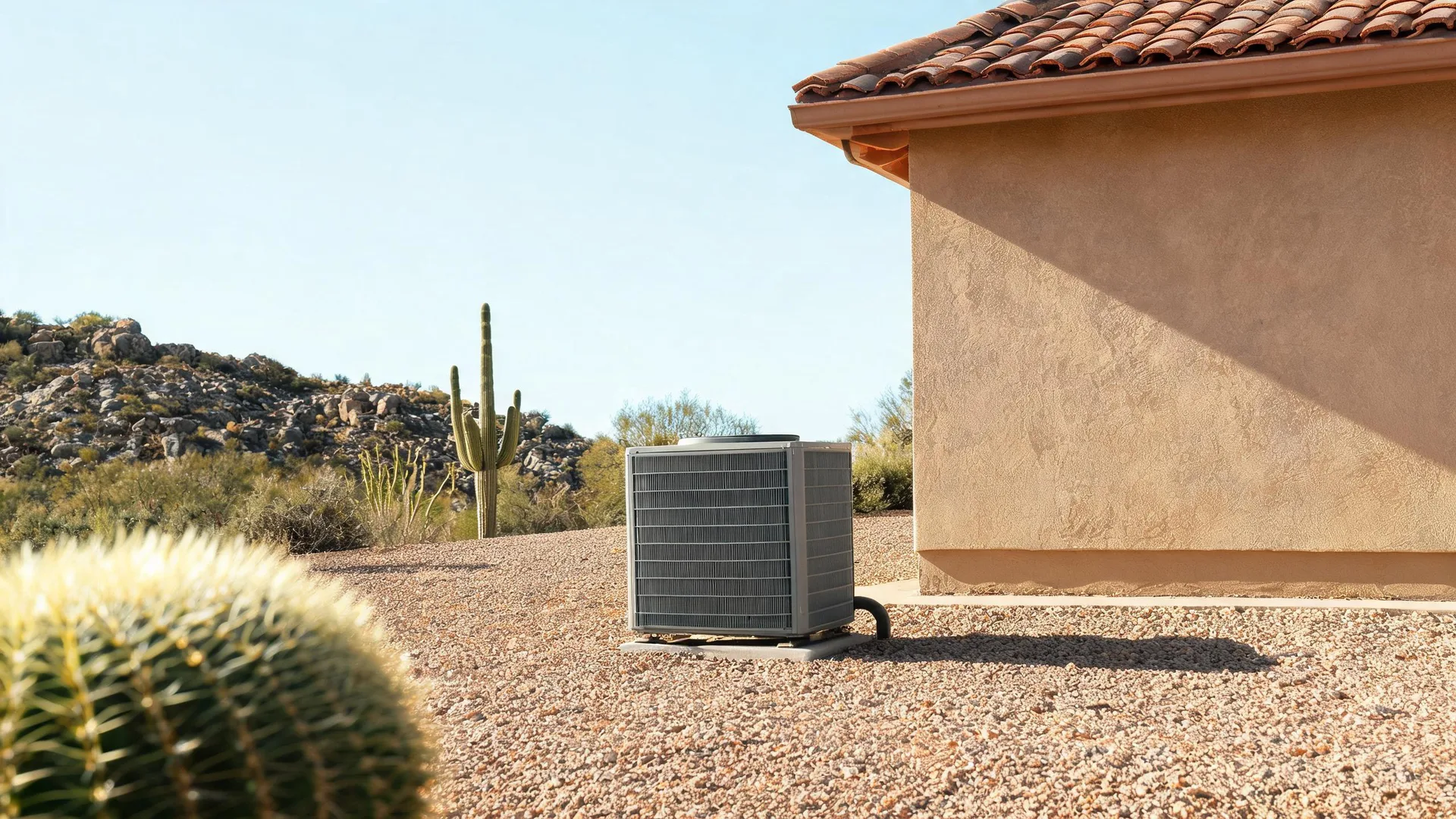
A residential heat pump outdoor unit mounted on a concrete pad next to a house with gray vinyl siding.

The old system doesn't just disappear

The furnace or propane system being replaced, or paired with, didn't fail overnight. It was cycling on and off thousands of times a season, and the heat exchanger or burner assembly wears from that no matter how well it was maintained. If the heat pump is going in alongside the existing furnace rather than replacing it outright, that old furnace still matters. Its blower, its ductwork connections, its control board all have to work with whatever the heat pump is doing. A contractor should check the furnace's condition before deciding it's fit to be the backup for cold snaps, not just assume it'll keep doing what it's always done. If the heat pump is replacing the furnace outright, the old unit and its venting get disconnected, and anything that ran off that same gas line or flue needs to be looked at on its own.

The outdoor unit and the indoor coil are a matched set

A heat pump installation isn't just setting a cabinet outside. The indoor coil usually gets swapped too, so it matches the new outdoor unit and the system can actually hit its rated output. Reusing an old coil with new outdoor equipment is where a lot of poor performance starts.

Pairing with a furnace adds its own labor

When a heat pump works alongside an existing furnace, something has to control which one fires and when, whether that's the thermostat, a control board, or both. Running the wiring for that handoff and setting it up correctly is labor on top of hanging the equipment itself.

That yellow sticker on the outdoor unit is the efficiency rating, and what it tells you is how much heat the system moves for the electricity it uses. A higher rating means less electricity for the same warmth, nothing more. It doesn't tell you how warm the house will get or how fast, and it doesn't change how the unit gets sized to the house. Systems carrying the same load can still cost different amounts to run every month, because that rating is baked into the compressor and the coil, not the ductwork or the thermostat. Ask what rating a quoted system carries and compare quotes on that basis, since it's the one number on the label that follows you into the electric bill.

Install day starts outside with the pad and the lines, then moves to whatever the heat pump is pairing with. The outdoor unit gets set and leveled first, and the refrigerant lines get run between it and the indoor coil before anything gets charged. Once the lines are connected and pressure tested, the system gets evacuated to pull out moisture and air, because either one left in the lines will wreck the compressor over time. Only after that does the refrigerant go in, and it gets weighed in to the amount the equipment calls for, not eyeballed. The electrical work usually takes as long as the mechanical part, especially when the heat pump has to talk to an existing furnace. Last comes the startup, where the contractor checks airflow, checks the charge, and sets the controls that decide which system runs when.