Fergus County is zone 6B
The 2021 energy code rates this county a cold climate zone with a long heating season. A heat pump going in here has to be sized and rated for that, not for a mild winter climate.
Takes about a minute. No obligation.
The 2021 energy code rates this county a cold climate zone with a long heating season. A heat pump going in here has to be sized and rated for that, not for a mild winter climate.
Any split-system heat pump built from 2023 on has to hit at least 14.3 Btu of cooling per watt-hour and 7.5 Btu of heating per watt-hour. That sets the floor for what a contractor can legally install here, whatever brand or model gets picked.

NOAA nClimDiv, 1991–2020 normals
Half the homes in Fergus County were built in 1966 or earlier.
A heat pump going into a house that old has to be sized for that house, not for whatever the last system happened to be.

Fergus County has logged 223 severe weather events between 2015 and 2024, and 147 of those were damaging wind. Hail hit 48 times in that same stretch. All of that lands on the outdoor unit, which sits outside year round taking whatever comes. Where a contractor sets it matters: clear of the roofline where ice and snow slide off, and away from where wind-blown debris is likely to collect. Statewide, 18% of Montana households lost power for a day or more in 2024. A heat pump paired with a backup heat source keeps the house warm through a cold snap and an outage at the same time. One without it leaves you waiting on the lines to come back up.
This county has logged 147 damaging wind events and 48 hail events between 2015 and 2024, and the outdoor unit stands outside taking all of it. A heat pump going in now gets sized and placed for what this place actually throws at it, on a timeline where that placement gets thought through. One going in after the old system quits on a hard winter day gets whatever fits fastest.
Find a contractor
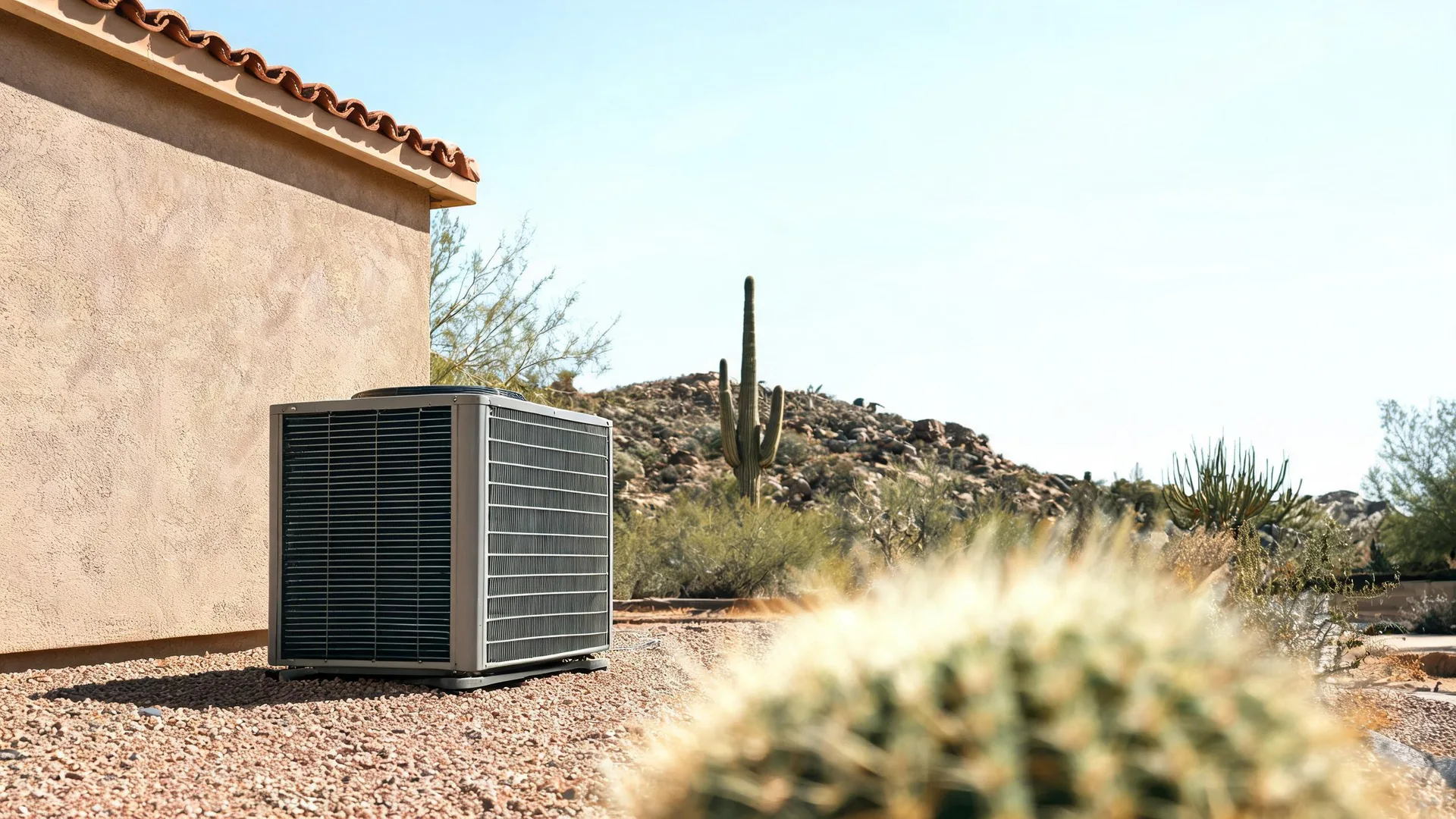
Wind has hit this county 147 times between 2015 and 2024, and hail has hit it 48 times in that same stretch. Every one of those events happened outside, where the outdoor unit sits year round. The compressor and the fan run through all of it with nothing between them and the weather but the cabinet. A system that has been running for years has already taken that wear, and it builds up faster here than in a place with a calmer sky. Worth knowing going in, rather than finding out the day the old unit won't start.
A contractor works out heat loss and heat gain room by room, counting windows, doors, insulation and how the rooms connect. That number, not the size of the house alone, is what the heat pump gets matched to. Two houses the same size can need different sized units depending on how they're built.
A heat pump too big for the house cools or heats the air fast, then shuts off before it pulls the moisture out or evens out the temperature room to room. One too small runs constantly and still can't keep up on the coldest or hottest days. The right size runs in long, steady stretches and holds the temperature where you set it.
The rating on a heat pump's label tells you how much heat it moves for the energy it uses, not how much heat it makes. A furnace burns fuel to create heat, so its efficiency has a ceiling. A heat pump moves heat that's already there, from the outside air into the house or the other way around, so it can deliver more energy as heat than it draws as electricity. That's the whole idea behind the rating system being different for this kind of equipment. The number on the label holds up at moderate temperatures. As the outside air gets colder, the unit has to work harder to pull heat out of it, and output drops off from what the label promises. That's why the rating alone doesn't tell you how a unit will perform on the coldest days of the year, only how it performs under standard conditions. A unit with a strong rating and the wrong size for the house will still run poorly. The rating and the sizing are two different questions, and both have to be right.
Gas heats 47% of homes in Fergus County, more than any other fuel. Electricity and propane split most of the rest. A heat pump doesn't replace that gas furnace outright here, it works alongside it, handling the heating load until the outside air gets cold enough that the furnace takes back over. That pairing is common in this climate for a reason: a heat pump alone can struggle on the coldest days, and a furnace alone runs harder and longer than it needs to on the mild ones. Whoever installs the system has to wire the two together so they hand off correctly, not just set them side by side.