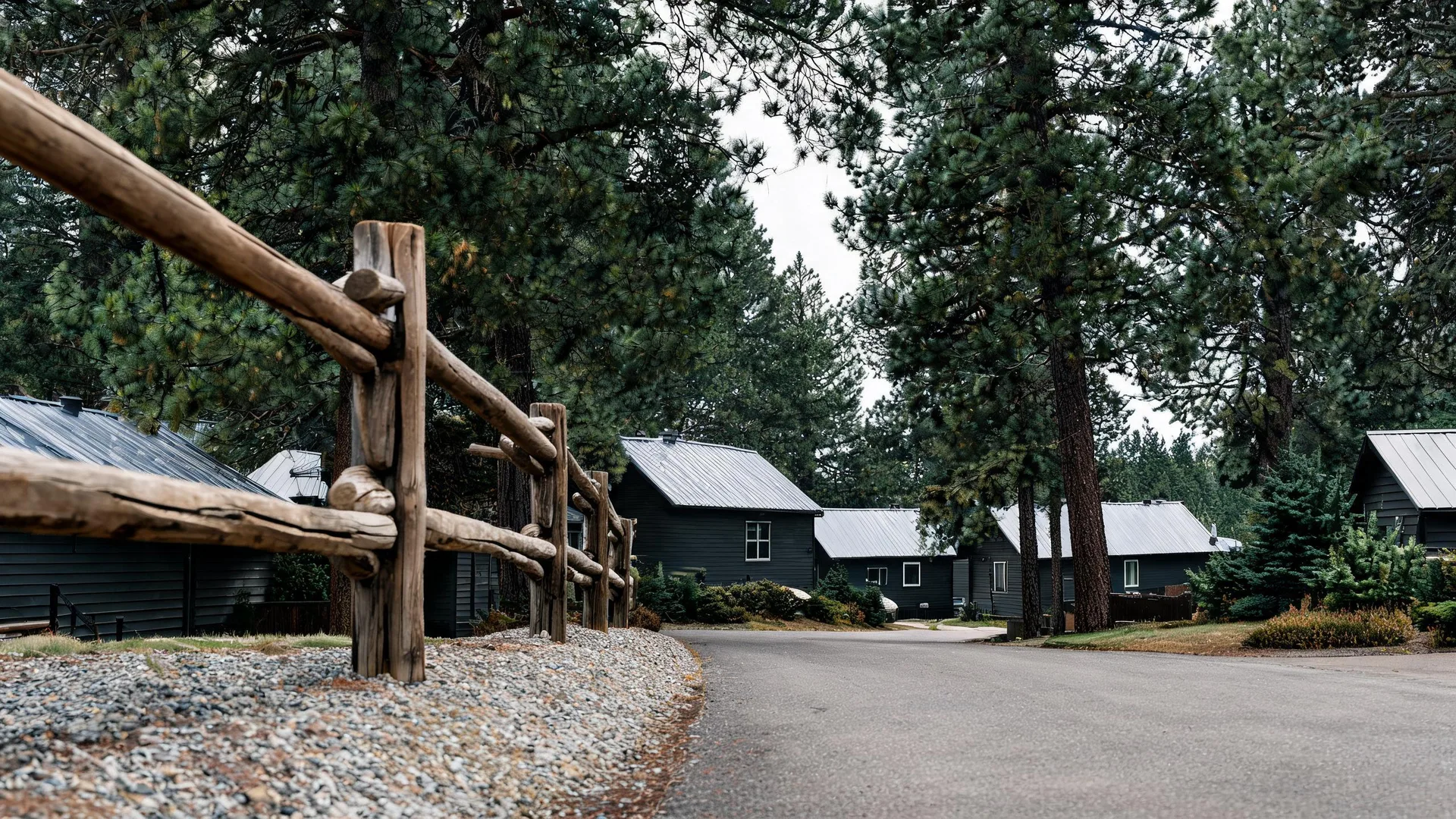







A rustic log rail fence beside a gravel verge and paved road, with dark-sided cabins with metal roofs among tall pine trees under an overcast sky.

Heat Pump Installation in Deer Lodge, MT

Tell us about the job

Takes about a minute. No obligation.

New system or replacementHeat PumpPowell County, MT
Step 1 of 2

What ZIP code is the job in?

Montana homes paid 12.66 cents per kilowatthour in 2024. A heat pump moves heat instead of generating it, so it uses less power to hold the same temperature than a furnace or electric resistance heat does. At that price per kilowatthour, the difference between a low HSPF2 rating and a high one shows up on every bill it runs. Ask to see the HSPF2 and SEER2 numbers on any system you're comparing. Those ratings tell you how much electricity it takes to move a degree of heat, and that is what you're paying for here.

11 months
August through June, your system heats
14°F
the average winter night it heats against
73°F
the average summer afternoon it cools against
Isometric illustration of a cutaway single-story house showing interior ductwork, an indoor air handler and simple furniture, connected by lines to an outdoor condenser unit beside the building.

Heat runs in Powell County from August through June.

Installing before July ends means the job gets done before the first cold month, not during it.

Half the homes here were built in 1966 or earlier, and a heat pump has to match the house it's going into

Half the homes here were built by 1966
11 hail events from 2015 to 2024
81 winter storms from 2015 to 2024
Gas is the fuel to beat in Powell CountyUtility gas heats 44% of homes here, more than any other fuel

Powell County sits in climate zone 6B, a cold zone with a long stretch of cold months. Any split-system heat pump installed here has to meet the federal minimum for units built from 2023 on. That's 14.3 SEER2 for cooling and 7.5 HSPF2 for heating. That floor rules out the lowest-efficiency units on the market. It doesn't mean every system above that line performs the same. A contractor sizing equipment for this zone also has to look at how well a unit holds its heat output as the temperature drops, since a cold zone like this asks more of a heat pump on its worst days than a mild climate would. A system bought now may also qualify for a federal tax credit, worth checking against whatever gets installed.

Efficiency pays here

Power costs more here, so an efficient system pays you back on every bill.

Find a contractor
A man in a dark long-sleeved shirt and brown pants walks up concrete steps toward a dark blue front door, carrying a canvas tool bag with tools in it, beside a potted shrub.
A gray heat pump outdoor unit mounted on a concrete pad next to the stone-accented exterior wall of a house.

A heat pump works every day it's on, not just a few months of the year

A heat pump installed to the right size for the house runs long, steady cycles instead of short bursts. That's by design. It holds the house at temperature rather than blasting heat and shutting off, and that steady running is where most of its wear happens. The outdoor unit sees the widest swings, hot sun in summer, ice and snow sitting on it in winter, so its coil and fan motor take the brunt of the weather year round. The compressor is the part that ages hardest, since it runs almost every day the system is in use, not just a few months like an air conditioner alone would. Filters and coils still need regular attention, because anything that restricts airflow makes the compressor work harder to move the same amount of heat. A system installed with the right refrigerant charge and correct airflow from day one will hold its efficiency far longer than one installed wrong and run for years anyway.

The rating is a ratio, not a size

SEER2 and HSPF2 tell you how much heat a system moves for the electricity it uses. They say nothing about how many rooms it can cover or how it was sized for the house. A high rating on equipment that's the wrong size for the job still runs poorly.
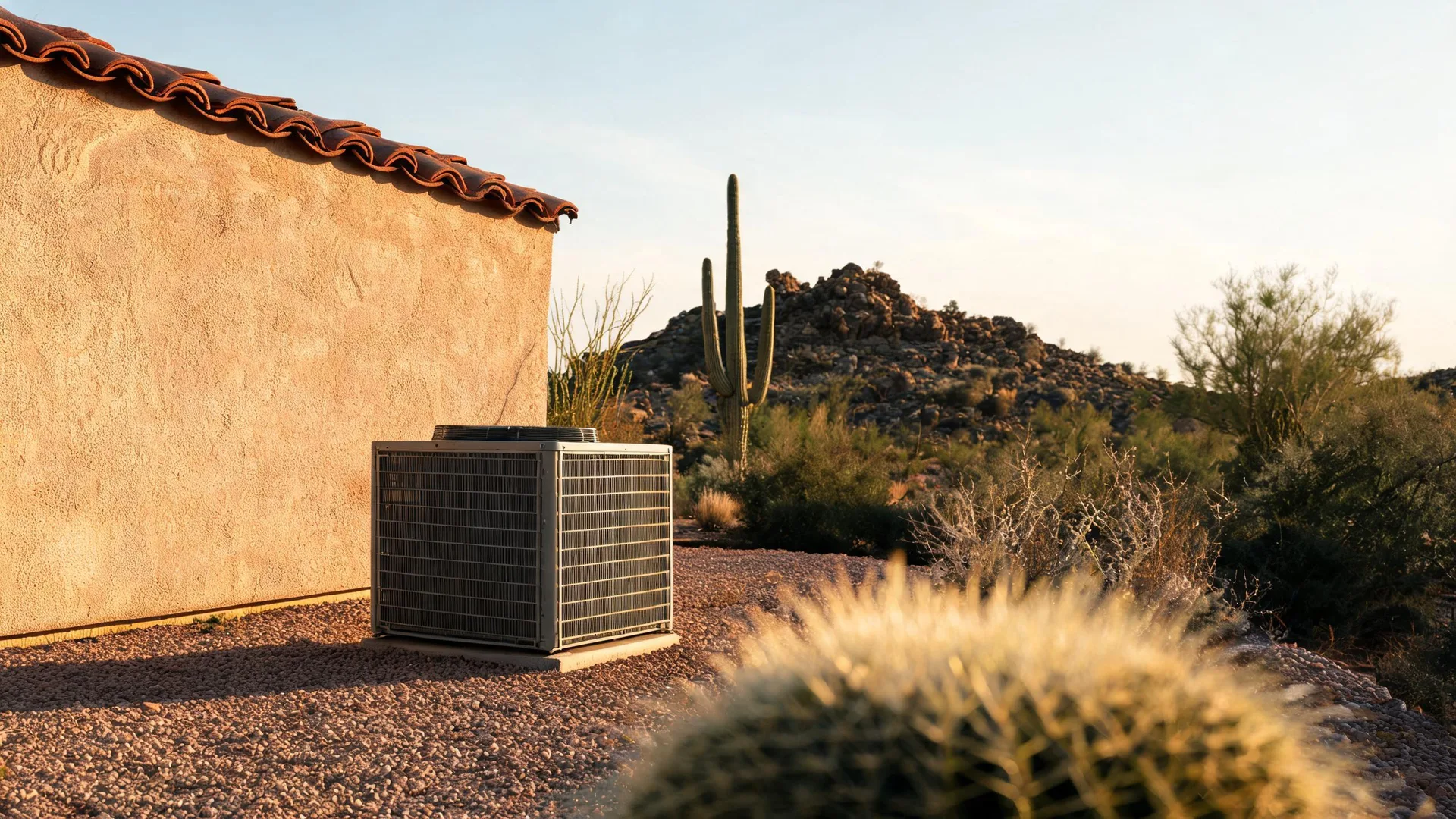
The rating holds only if the install does too

A heat pump hits its rated efficiency when the refrigerant charge is correct and airflow across the coil matches what the manufacturer specified. Low charge or a restricted duct pulls real performance below the number on the label, no matter how high that number was to start.

A load calculation looks at how fast the house loses heat, not how big it is. Houses the same size can need different tonnage if one has more window area or less insulation in the attic. That's why a contractor measures wall area, window area and ceiling insulation rather than going by square footage alone. Square footage alone ignores all of that, and it tends to push the number up, which is how oversized systems get sold. A load calculation done room by room is the only way to know what the house actually needs, not what the last system happened to be.

The outdoor unit goes on a pad, leveled, with clearance on all sides so air can move through the coil. Refrigerant lines run between that unit and the indoor coil. Those lines get brazed, pressure tested, then pulled into a vacuum before any refrigerant goes in, and that step matters more than it looks. Moisture left behind turns to acid once the system runs, and that wears down the compressor early. Once the lines hold vacuum, refrigerant gets weighed in to the exact charge the manufacturer specifies, not added until the pressure looks about right. The indoor coil gets tied into the ductwork, and airflow at the vents gets checked before the job is called done. Startup means checking refrigerant pressure, checking the temperature split at the vents, and making sure the thermostat is actually talking to the system.