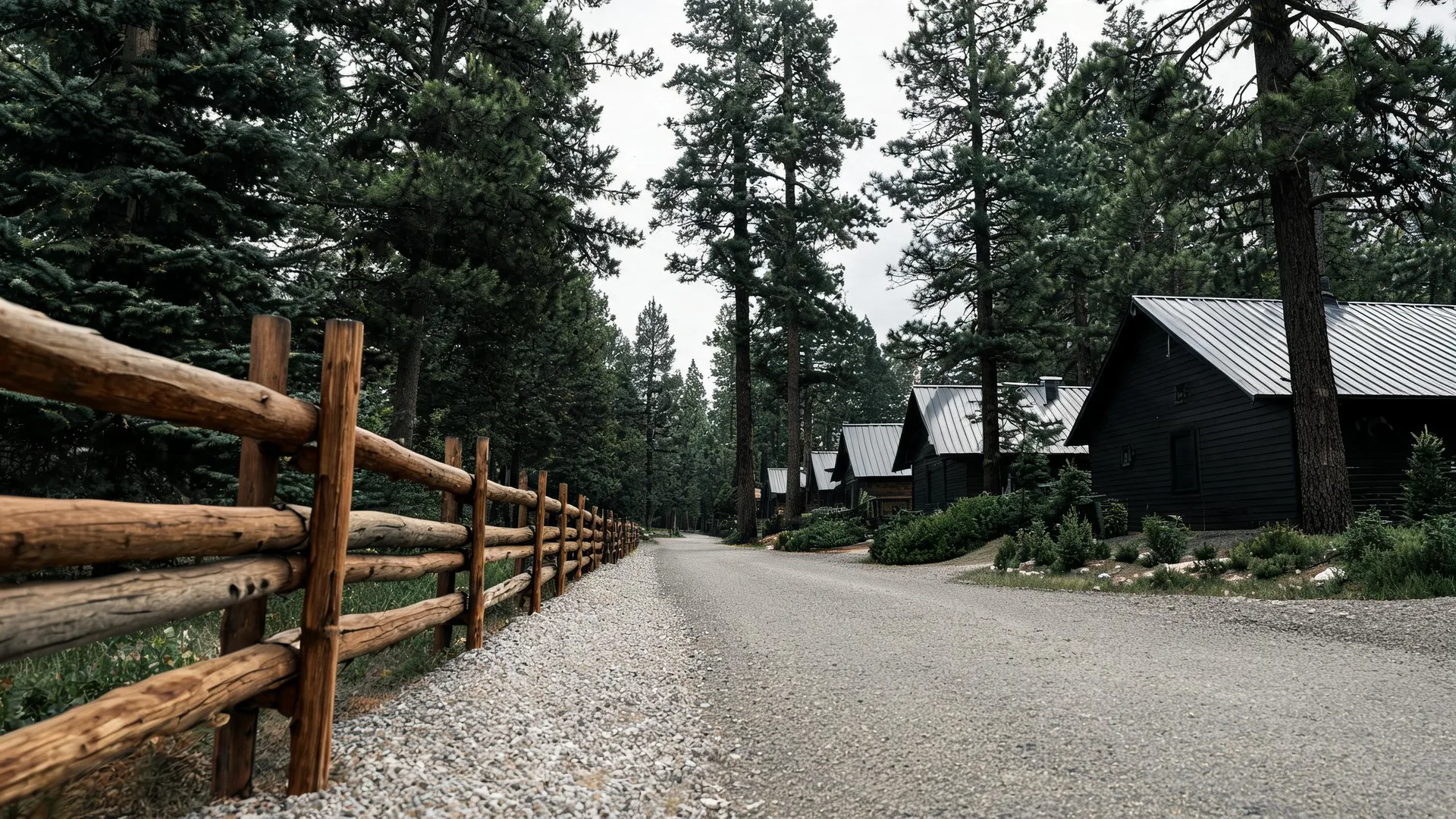



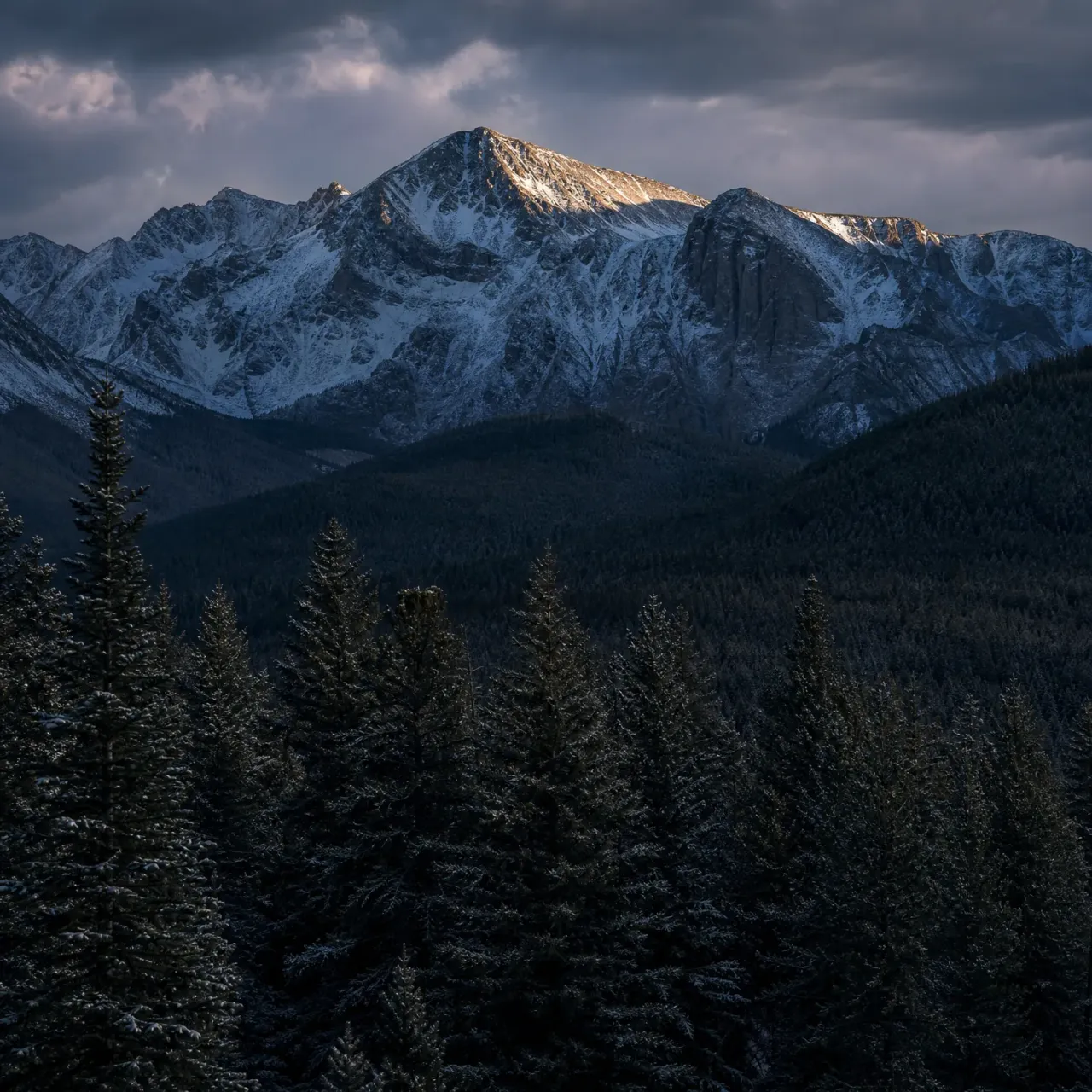


A gravel road lined by a split-rail log fence on the left and dark-sided cabins with metal roofs on the right, surrounded by tall conifers under an overcast sky.

Heat Pump Installation in Choteau, MT

Tell us about the job

Takes about a minute. No obligation.

New system or replacementHeat PumpTeton County, MT
Step 1 of 2

What ZIP code is the job in?

Electricity in Teton County runs 14.32 cents per kilowatt-hour on average. A heat pump moves heat instead of burning gas for it, but it still runs on that electric rate every time it cycles on. Here winters are hard, so a heat pump earns its keep through a long stretch of cold months, not just a mild shoulder season. That makes the efficiency rating on the unit itself worth more here than it would in a place with cheaper power or a shorter heating run. A system that uses less electricity per degree of heat shows up directly on the bill, month after month.

10 months
September through June, your system heats
14°F
the average winter night it heats against
75°F
the average summer afternoon it cools against
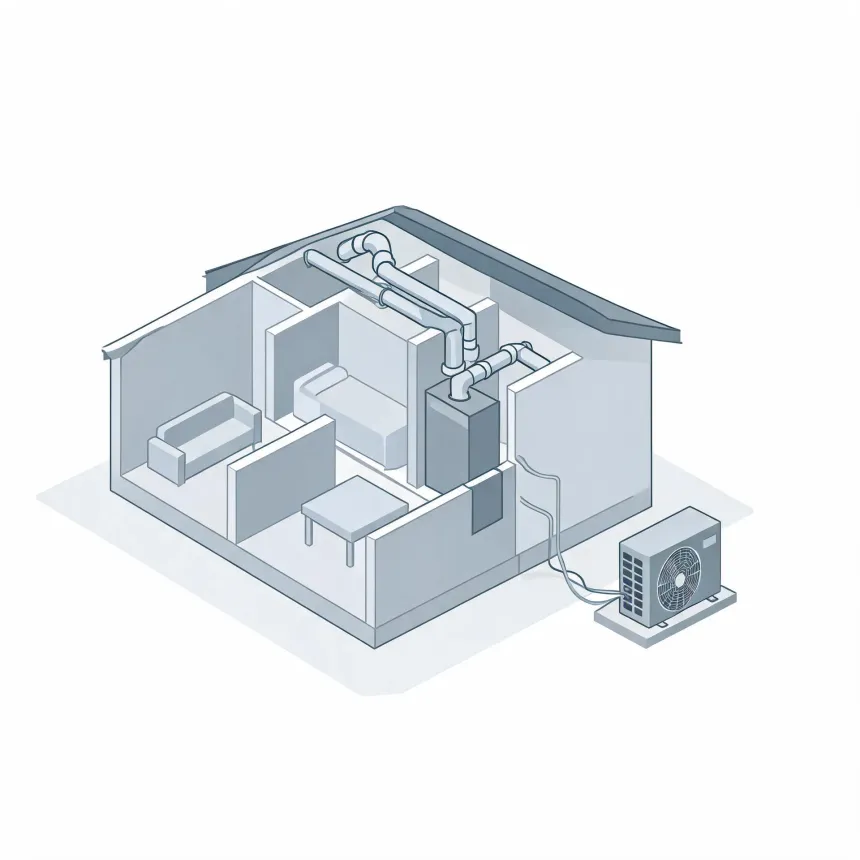
Isometric line illustration of a cutaway house showing interior rooms with furniture, ceiling ductwork connected to an indoor air handler, and a line running outside to an outdoor condenser unit.

Teton County logged 206 severe weather events between 2015 and 2024, with 138 of those damaging wind.

The outdoor unit sits outside through all of it, so where it goes and what shields it matters as much as the install itself.

Most homes here run on gas, which changes what a heat pump installation means

43.1% of homes heat with gas
Climate zone 6B
Power here costs 14.32 cents per kilowatt-hour
Get it done before SeptemberHeat runs here from September through June, so there's no mild month left to work with once the cold sets in

Teton County falls under zone 6B in the 2021 energy code, a cold, dry climate zone with a long heating season. Any split-system heat pump installed here has to meet the federal minimums that took effect in 2023: at least 14.3 Btu of cooling delivered for every watt-hour used, and at least 7.5 Btu of heat for every watt-hour in heating mode. That heating number matters more here than the cooling one, since the system leans on it for most of the year. Not every unit on the market clears that bar, so the efficiency rating narrows the field before you even get to brand or price.

The efficiency rating pays you back here more than most places

A heat pump with a high HSPF rating costs more to buy and less to run, and in Choteau the second part keeps mattering long after the first is forgotten. When you compare units, put the heating efficiency number next to the price, not behind it.

Find a contractor
A man in a cap, dark work shirt and brown trousers walks up stone steps toward a dark blue panelled door, carrying a canvas tool bag filled with hand tools, beside a potted shrub.
A gray heat pump condenser unit mounted on a concrete pad against the gray lap-siding exterior wall of a house.

The house it's going into is probably older than the equipment

Half the homes in Teton County were built in 1962 or earlier. A heat pump installed in one of those houses is working with whatever ductwork and insulation came with it, not a blank slate. That doesn't rule anything out, but it changes what the installer needs to check before sizing the unit. A system sized for a new build can run wrong for an older one, short-cycling or struggling to keep up, and either way that shows up as higher electric bills in a place where every kilowatt-hour already costs more to spend on heat.

Ask for the heating number at your coldest design temperature

A heat pump's rated output drops as the outdoor temperature drops, and every unit has a capacity curve showing how much heat it can still deliver at the cold end. Two systems with the same sticker rating can perform very differently once it's actually cold out. Ask for the capacity at the lowest temperature the system will see, not just the rated output at a mild setpoint. If the installer can't show you that curve, they haven't sized the system, they've guessed at it.
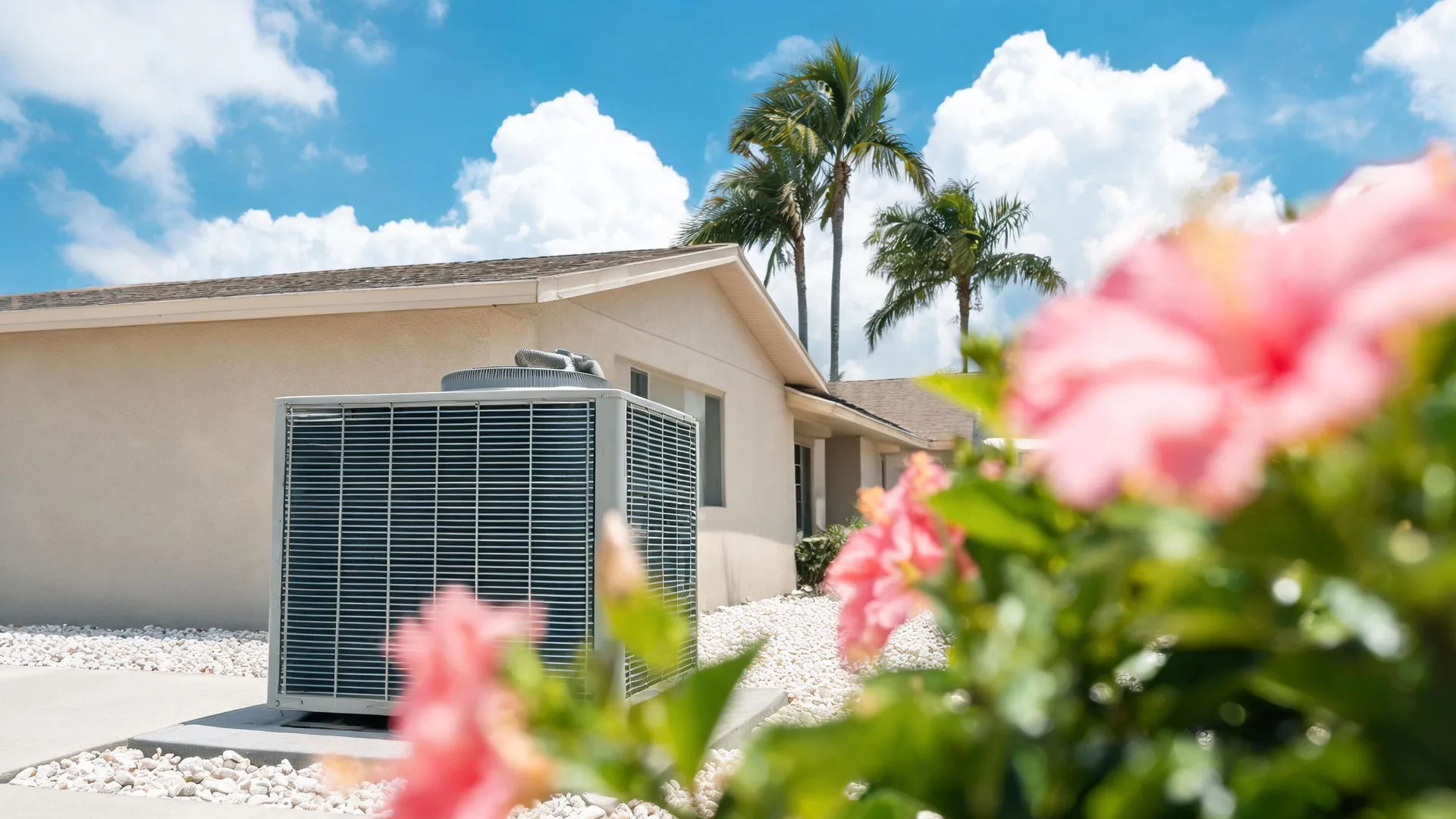
Ask what happens when the heat pump can't keep up alone

Every heat pump has a point where it needs backup heat, whether that's resistance coils built into the air handler or a separate furnace it hands off to. Ask how that switch happens and at what temperature it's set to trigger. A system that hands off too early will run the backup heat far more than it needs to, and a system that hands off too late will struggle to hold the house at temperature. This is a setting, not a fixed fact about the equipment, so ask how it gets configured for your house specifically.

Sizing a heat pump isn't about matching the old furnace's output or guessing based on square footage. It comes from a load calculation, a room by room accounting of how much heat the house loses on the coldest days and gains on the hottest ones, based on wall and window area, insulation, ceiling height, and how much sun each side of the house takes on. Skip that step and you're sizing by habit, not by the house. Too big and the system short-cycles, blasting heat or cold air in a quick burst and shutting off before it ever runs long enough to even out the temperature room to room or pull moisture out of the air. Too small and it runs constantly without catching up, leaning on backup heat more than it should. The right size is the smallest unit that can still carry the house on its worst day, because a heat pump that's sized right spends more time running steady at low speed, which is where it operates most efficiently.

If your house in Teton County is one of the older ones, tell the installer that up front and let them check the ductwork before they size anything. A heat pump that moves the right amount of air needs ducts built to carry that air, and ducts sized for a furnace installed decades ago weren't necessarily built with a heat pump's airflow in mind. Ask whether the existing ductwork gets tested or just reused as is. The same goes for insulation. An installer who's done the load calculation already knows how much heat your walls and attic are losing, but they only know it if they've actually looked, not assumed the house matches its age. Get that checked before the unit gets picked, not after it's sitting in your yard.