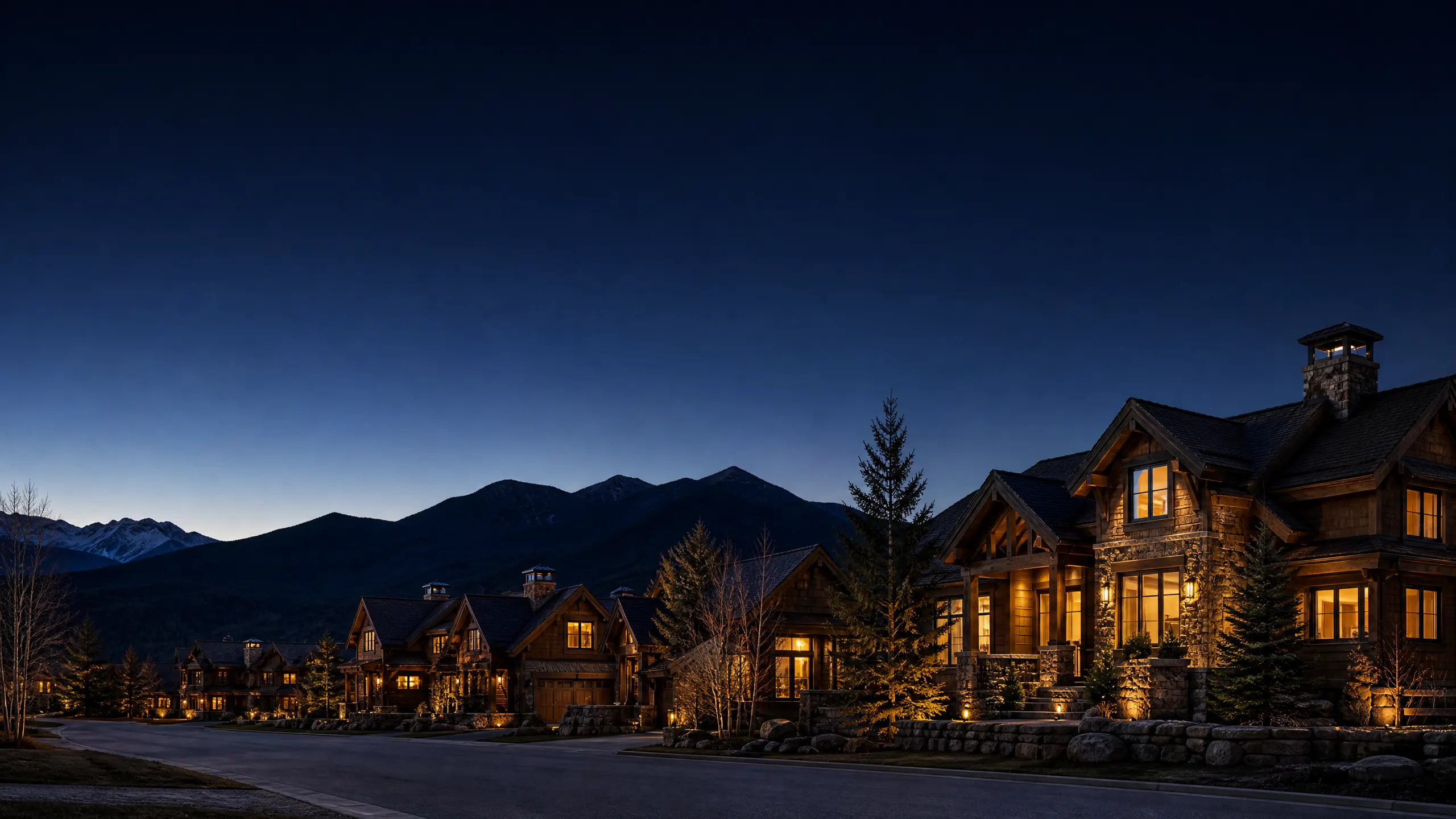



Warmly lit timber-frame and stone houses line a street at dusk, with evergreen trees and a snow-capped mountain range in the background.

Heat Pump Installation in Cut Bank, MT

Tell us about the job

Takes about a minute. No obligation.

New system or replacementHeat PumpGlacier County, MT
Step 1 of 2

What ZIP code is the job in?

Glacier County recorded 250 severe weather events between 2015 and 2024. Damaging wind caused 200 of them. Hail hit 20 times, and winter storms with heavy snow and ice hit 30 times. An outdoor heat pump unit sits outside through all of it, taking wind and hail that a furnace never has to face. Across Montana, 18% of households lost power for a day or more in 2024. A heat pump needs power to run, for heat and for cooling both, so an outage reaches further into the house than it would with a gas furnace alone.

14°F
the average winter night it heats against
72°F
the average summer afternoon it cools against
Isometric cutaway illustration of a single-story house with a dark gabled roof, showing interior rooms with ductwork leading to an indoor air handler and an outdoor condenser unit connected by lines on the ground outside.

Damaging wind hit Glacier County 200 times between 2015 and 2024, with hail and winter storms on top of that.

The outdoor unit sits through all of it, so it has to be sized and installed for that weather, not just an average day.

Cheap power here still adds up when a system runs this much

Power here costs 11.48 cents per kilowatt-hour
Climate zone 6B
200 damaging wind events from 2015 to 2024
Most homes here heat with gasGas heats 42.9% of homes in Glacier County. Electricity heats 35.8%, and a heat pump has to fit a house built around a furnace.

Glacier County falls under zone 6B in the 2021 energy code, a cold zone with a long heating season. Any heat pump going in has to work within that. Split-system heat pumps built from 2023 onward must deliver at least 7.5 Btu of heat for every watt-hour they use over the winter, and at least 14.3 Btu of cooling for every watt-hour over the summer. Those are federal minimums, not a local add-on, so they set the floor no matter which contractor does the work. On top of that floor, a federal tax credit is available for qualifying heat pump installations. The equipment that meets zone 6B's demands is the same equipment that can take advantage of the credit.

Plan the install around the weather it has to survive

Ask the contractor where the outdoor unit will sit and what will shield it from wind and hail. Ask what happens to heat and hot water if the power goes out, and whether backup is worth adding for this house. Settling that now is part of the install, not an extra step after.

Find a contractor
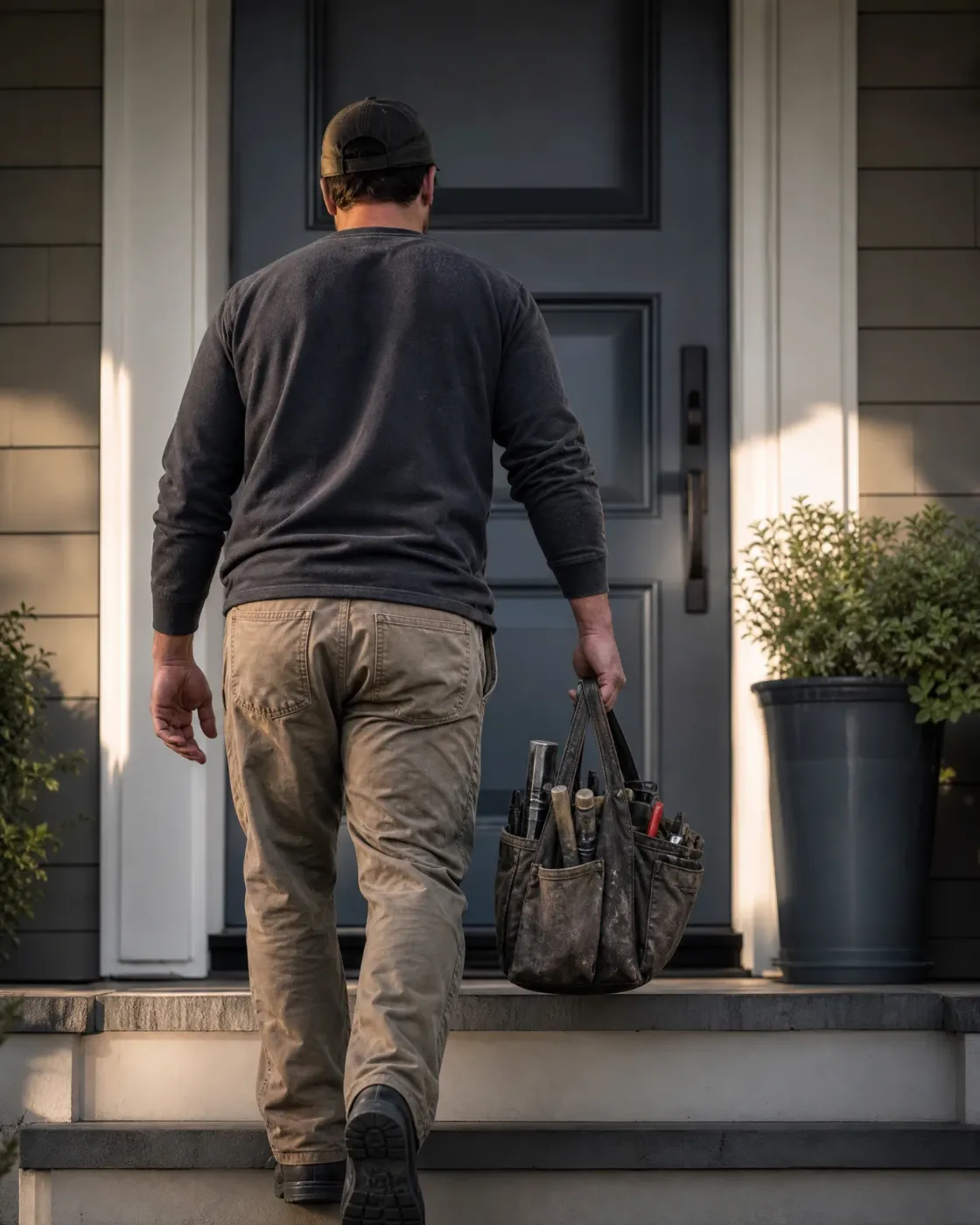
A man in a cap, dark long-sleeved shirt and tan work pants, seen from behind, carries a canvas tool bag up concrete steps toward a dark blue front door flanked by white columns and a potted shrub.
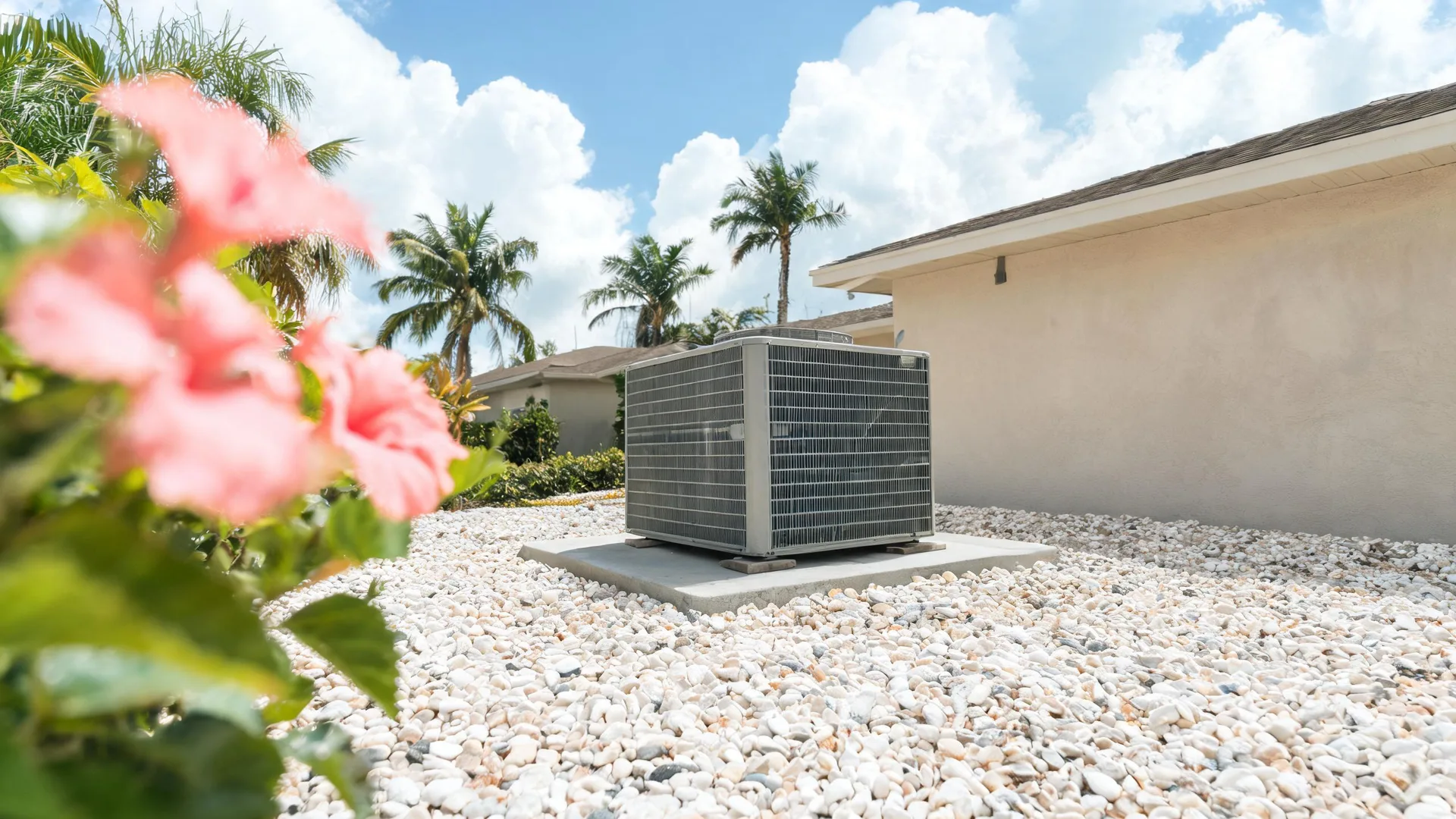
A residential heat pump outdoor unit mounted on a concrete pad next to a house with gray vinyl siding.

It runs through whatever comes, for as long as it's out there

The unit going in this year sits outside for as long as it runs, through whatever wind and hail pass through after it's installed, not just what's already happened. A contractor can set the pad and bracket to the minimum the code allows, or set them for the kind of wind this county actually gets. Ask for the second one. Where the unit sits matters too. A spot with a wall or roofline between it and the prevailing wind keeps hail off the coil without costing anything extra. Settling that now, before the pad is poured, is cheaper than moving the unit later.

The outdoor unit is most of the job

A heat pump has an indoor coil and an outdoor unit, and the outdoor unit does the compressing for both heating and cooling. That means more refrigerant lines, a larger electrical circuit, and a condensing unit that has to sit on its own pad or bracket, built and anchored to hold up outside year round. A furnace swap never touches any of that.
What's already there changes the work

If the ductwork, electrical panel and refrigerant lines are already sized for a heat pump, the crew connects to what exists. If the panel needs a larger breaker, or the ducts were sized for a smaller gas furnace's airflow, or there's no existing line set to tie into, each of those is its own job before the heat pump itself goes in.

Sizing a heat pump starts with a load calculation on the house itself, room by room, not a number pulled from the old furnace's rating. Too big and it short-cycles, blasting the house to temperature and shutting off before it's pulled any moisture out of the air or run long enough to heat evenly. Too small and it runs flat out in the coldest stretches and still can't keep up, which wears it harder than normal use would. A heat pump also has to be sized for both jobs it does, cooling in summer and heat in winter, and those two numbers aren't always the same. Where the two don't match, the contractor has to decide which one the equipment is built around and how the gap gets covered. That calculation, not the size of the old system, is what the installed unit should be based on.

That cost is where efficiency pays you back. The zone 6B minimums already set a floor for how little power a heat pump can use to do its job, and some models clear that floor by a wide margin. Ask the contractor to show the efficiency ratings for the models being quoted, not just confirm they meet the minimum. The unit that costs more up front can be the one that costs less to run here. With power priced the way it is in this state, that gap shows up on every bill, not just the first one. The federal tax credit mentioned above applies to the higher-efficiency equipment, which narrows the gap in what it costs to get there.