






An outdoor heat pump unit mounted on a concrete pad in front of a two-story suburban house.

Heat Pump Installation in Hamilton, MT

Tell us about the job

Takes about a minute. No obligation.

New system or replacementHeat PumpRavalli County, MT
Step 1 of 2

What ZIP code is the job in?

Gas heats more homes in Ravalli County than anything else, at 40.9 percent. Another 20.6 percent run on bottled or LP gas, so most houses in the area already have a fuel-burning furnace somewhere in the picture. A heat pump doesn't need to replace that. It works alongside the furnace, handling the mild months on electricity and letting the furnace take over once it gets too cold for the heat pump to keep up efficiently. That setup, a dual fuel system, is worth asking your contractor about if your home already has a gas line run to it. If your home heats with electricity instead, which covers 21.4 percent of homes here, a heat pump can take over most of that load directly.

11 months
August through June, your system heats
16°F
the average winter night it heats against
73°F
the average summer afternoon it cools against
Isometric line illustration of a cutaway single-story house showing interior ductwork, an indoor air handler unit, and an outdoor condenser connected by refrigerant lines, with a dark shingled roof.

Winter storms have hit Ravalli County 75 times between 2015 and 2024.

A heat pump installed here needs a furnace or backup heat ready to take over when snow and ice move in.

Heat starts in August here, so get it installed in July

Heat runs August through June
41 damaging wind events from 2015 to 2024
21 hail events from 2015 to 2024

Hamilton doesn't need an oversized heat pump to handle anything unusual. Winters here average 16°F overnight across December, January and February, and standard equipment is built for that range. The county's wind and hail are a reason to think about where the outdoor unit sits, not a reason to size up the capacity. A correctly sized unit matched to your home's actual heat loss will run more efficiently than one sized up as insurance. Ask your contractor for a load calculation on your house rather than a number based on square footage alone.

Go with the standard fit

A standard size and efficiency fit fine here. There's no local reason to go bigger or pricier.

Find a contractor
A man in a cap, dark jacket and tan work pants carries a canvas tote bag as he steps up concrete stairs toward a blue front door, with a potted shrub beside him.
A gray heat pump outdoor unit mounted on a concrete pad next to a residential house with lap siding and stone accents.

The label tells you how it was tested, not how it will run

The rating on the label is measured in a lab, running the system at one set of conditions. Your house isn't a lab. As the outdoor temperature drops, a heat pump has to work harder to pull the same warmth out of the air, so the efficiency you actually get shifts with the weather outside, lower on the coldest nights, higher in mild weather. That's normal and it's true of every heat pump, not a sign anything is wrong with yours. The number on the label is still useful for comparing one unit against another before you buy, since both were tested the same way. It just isn't a promise of what you'll see on any single day.

Ask about the balance point

Every heat pump reaches an outdoor temperature where it can no longer pull enough heat from the air to keep the house warm, and backup heat has to take over. That balance point comes from the specific equipment, not just its size. Systems rated at the same capacity can hand off to backup heat at different outdoor temperatures. Ask each contractor what balance point their proposed system actually hits, not just how many tons it carries.
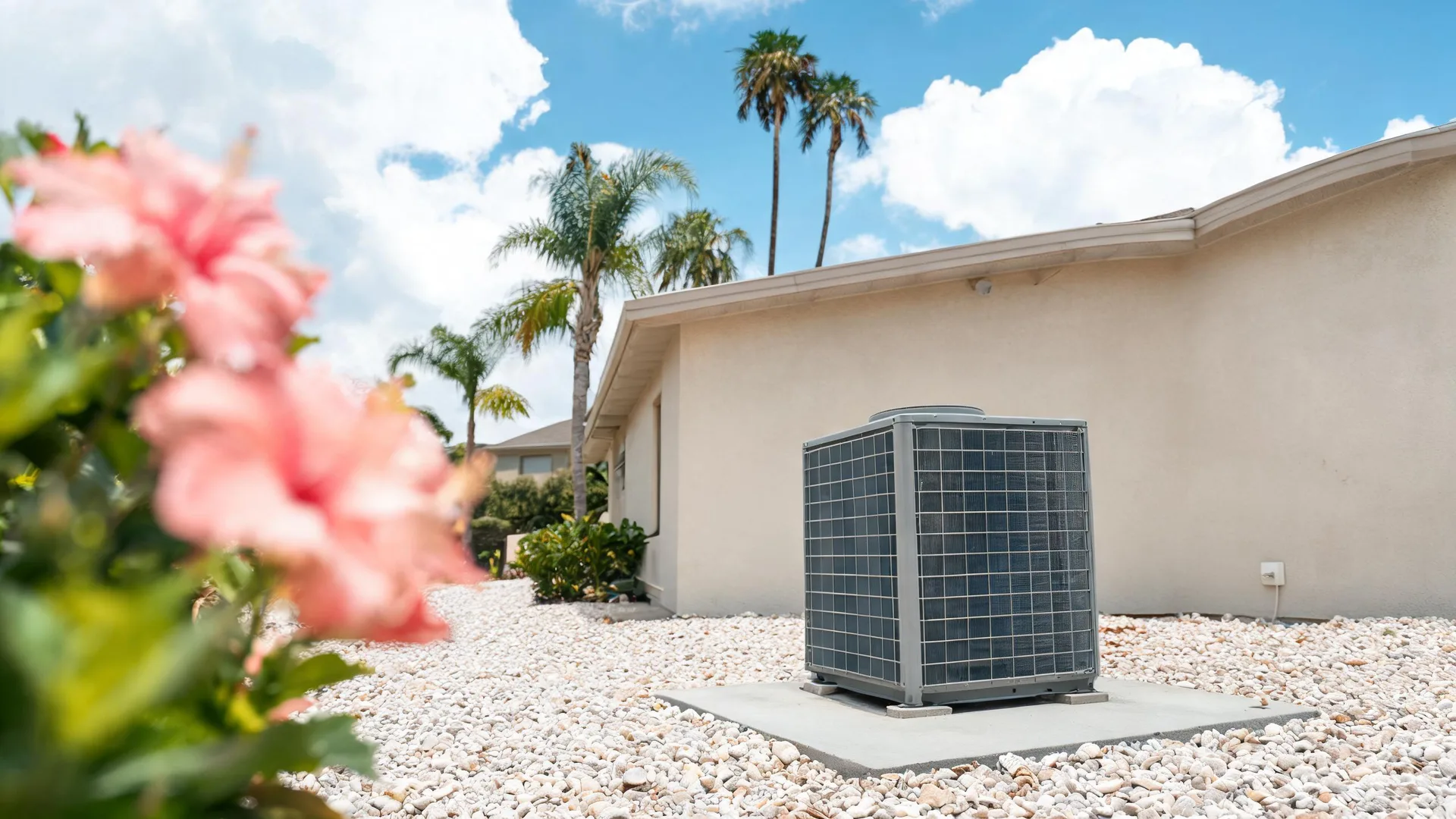
Compare the whole installed job, not just the equipment

The outdoor unit and indoor coil matter, but so does the refrigerant line set, the electrical work to feed it, and how the ductwork gets connected or modified to handle it. A quote that skips duct changes or reuses an undersized line set can cost you efficiency for as long as the system runs. Ask what each bid actually includes before you weigh one against another.

The ductwork usually decides more of the final cost than the equipment does. If the existing ducts were sized for a furnace and can move enough air for the new coil, a contractor can connect to them with minor changes. If they're too small, undersized returns are a common culprit, air flow suffers no matter how good the outdoor unit is, and that means modifying or replacing sections before the heat pump can perform the way it's rated to. Electrical work is the other piece worth asking about early. A heat pump often draws differently than whatever it's replacing, and the breaker, wiring or disconnect may need to be upgraded to match. Where the outdoor unit goes matters too, since the line set run between indoor and outdoor units adds labor the farther apart they sit. None of this shows up on the equipment's spec sheet, but it shows up on the invoice.

Installation day starts before anyone touches the old equipment. The indoor coil and air handler usually come apart first, then the line set gets disconnected from the outdoor unit. If the ductwork needs modification, that work happens next, since it has to be done before the new coil goes in, not after. The outdoor unit gets set on a pad or mounting bracket, leveled, and connected to the line set, then the whole system gets evacuated to pull moisture and air out of the lines before refrigerant goes in. Electrical work, if the breaker or disconnect needs upgrading, usually happens in parallel with the mechanical work rather than after it. Once everything is connected, the contractor charges the system, checks refrigerant levels against the manufacturer's spec, and runs it through both heating and cooling modes to confirm it's pulling the right temperature split across the coil.