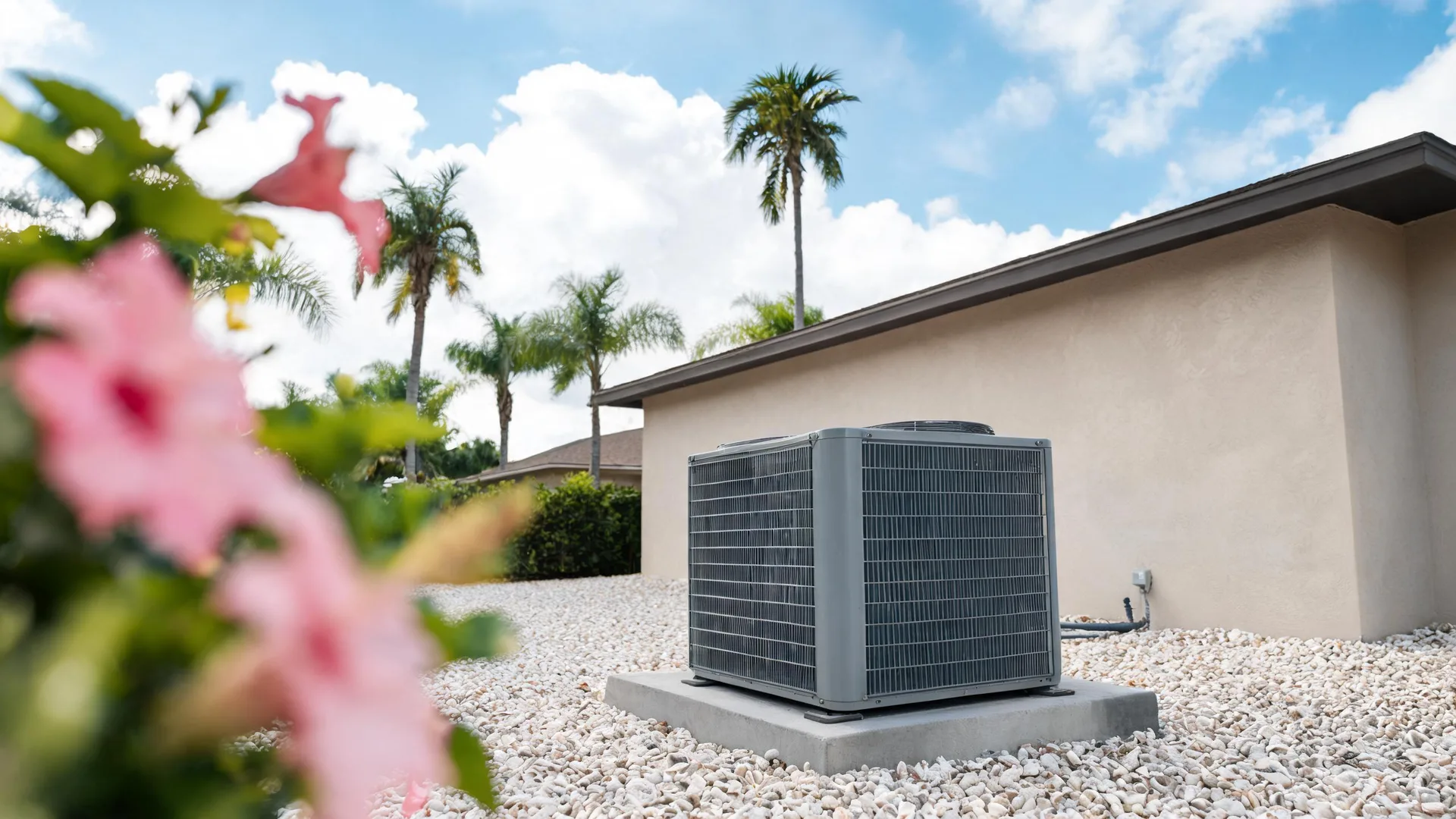
Power here runs cheap
Toole County paid an average of 10.84 cents per kilowatt-hour in 2025. That is lower than most of the country, which matters because a heat pump runs on electricity for most of the year here.
Takes about a minute. No obligation.
Toole County paid an average of 10.84 cents per kilowatt-hour in 2025. That is lower than most of the country, which matters because a heat pump runs on electricity for most of the year here.
A heat pump that holds its efficiency turns that cheap power into a real advantage. One that loses efficiency, from a bad install or the wrong size unit, gives that advantage back.
NOAA nClimDiv, 1991–2020 normals
Heat runs here from September through June.
August is the month to put a new heat pump in, before it has to work.



Toole County gets hit with damaging wind, 168 times between 2015 and 2024. A heat pump outside takes that wind directly, cycling on and off as it works to hold temperature against it. Winter storms are less frequent here, nine in that same stretch, but heavy snow and ice around the outdoor unit make it work harder right when heating load is highest. Summer is the easier season on this machine. The dew point averages 45°F in June, July and August, lower than most of the country, so the air is dry and a heat pump does not have to fight much moisture to cool a house. That unevenness is the point. A unit sized and installed for the wind and the winter load here will hold up. One sized for an easier climate will not.
Power here is cheap. What a heat pump does with it depends on the install, the sizing, and the setup, all decided once, up front. Get that right now and you keep the advantage on every bill after.
Find a contractorIf your house here was built around 1966 or earlier, the ductwork and electrical panel were sized for whatever heated the place before, usually a gas furnace. A heat pump asks more of both. Before install, a contractor needs to check whether the ducts can move enough air at heat pump temperatures and whether the panel has room for the new circuit. This machine is going to run for years, through winters that hit hard and summers that are easier on it. Get the sizing and the setup matched to what's already in the walls now, and it keeps running the way it should the whole time it's out there.
A heat pump has to be matched to the house, the duct system, and the load it will carry in both directions, heating and cooling. Too big and it short cycles, turning on and off before it ever settles into steady running. Too small and it runs flat out in the hardest weather and still falls behind. Getting the size right takes a load calculation, not a guess based on the old furnace or the square footage alone. That calculation, and the work to back it up, is where the labor and judgment in an install go.
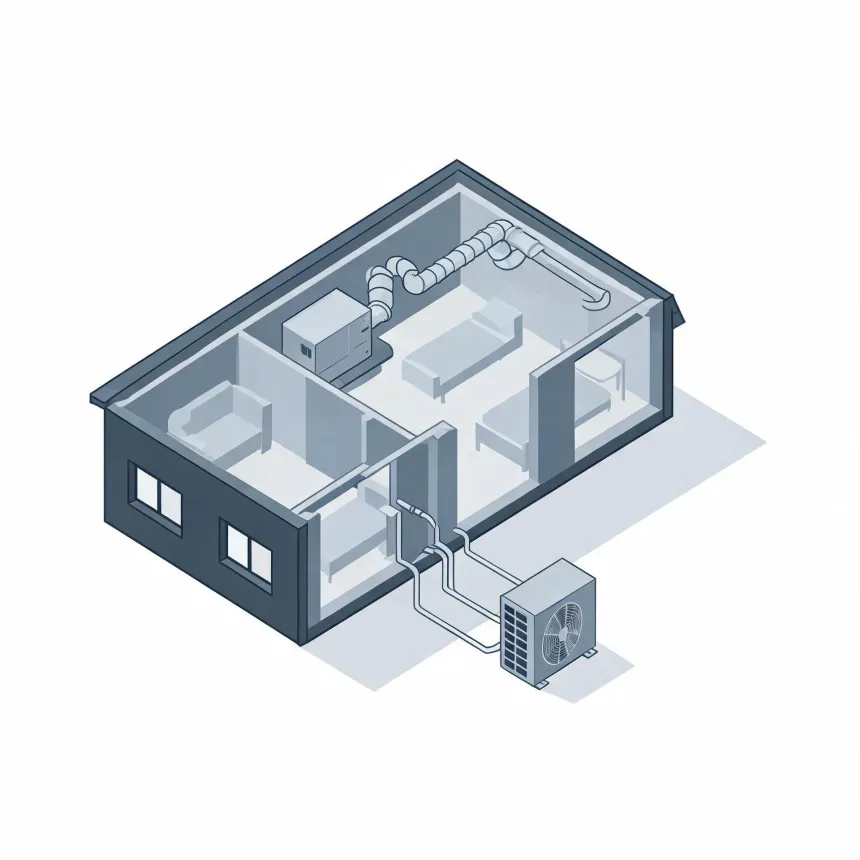
Line sets have to be run and sealed correctly, refrigerant charge has to be checked against the specific unit and the length of line, and the outdoor unit needs a spot where airflow isn't blocked. If the system ties into existing ductwork, that ductwork may need sealing or modification to move air at the temperatures a heat pump puts out. Electrical work is its own piece, since the circuit has to match what the unit draws. Skipping or rushing any of these steps shows up later as a system that runs harder than it should.
The old system does not just get unplugged and hauled off. If it is a gas furnace, the gas line to it has to be capped off safely, and that is work for whoever handles the install, not a job to leave half done. The electrical circuit that fed the old equipment either gets reused for the new unit or needs to be disconnected properly at the panel. Refrigerant in an old air conditioner, if there was one, has to be recovered, not vented, because releasing it is both wasteful and against the law. Ductwork usually stays, but whoever pulls the old furnace or air handler should check the plenum and transitions for damage before the new unit gets tied in. None of this is hard labor compared to the install itself, but skipped steps here turn into problems once the new system is running.
Toole County logged 185 severe weather events between 2015 and 2024, and that outdoor unit sits outside for all of them. Eight were hail events, and hail or anything wind-blown that reaches the unit can bend fins or crack the housing. That's a separate question from where the unit goes for airflow and drainage, and worth raising with whoever does the install. Power is the bigger issue. A heat pump runs on electricity with no backup mode, and in 2024, 18% of Montana households went at least 24 hours without power. A gas furnace with a dead blower won't heat either, but it's worth asking what keeps heat and hot water going here when the grid drops, and for how long that's actually likely.