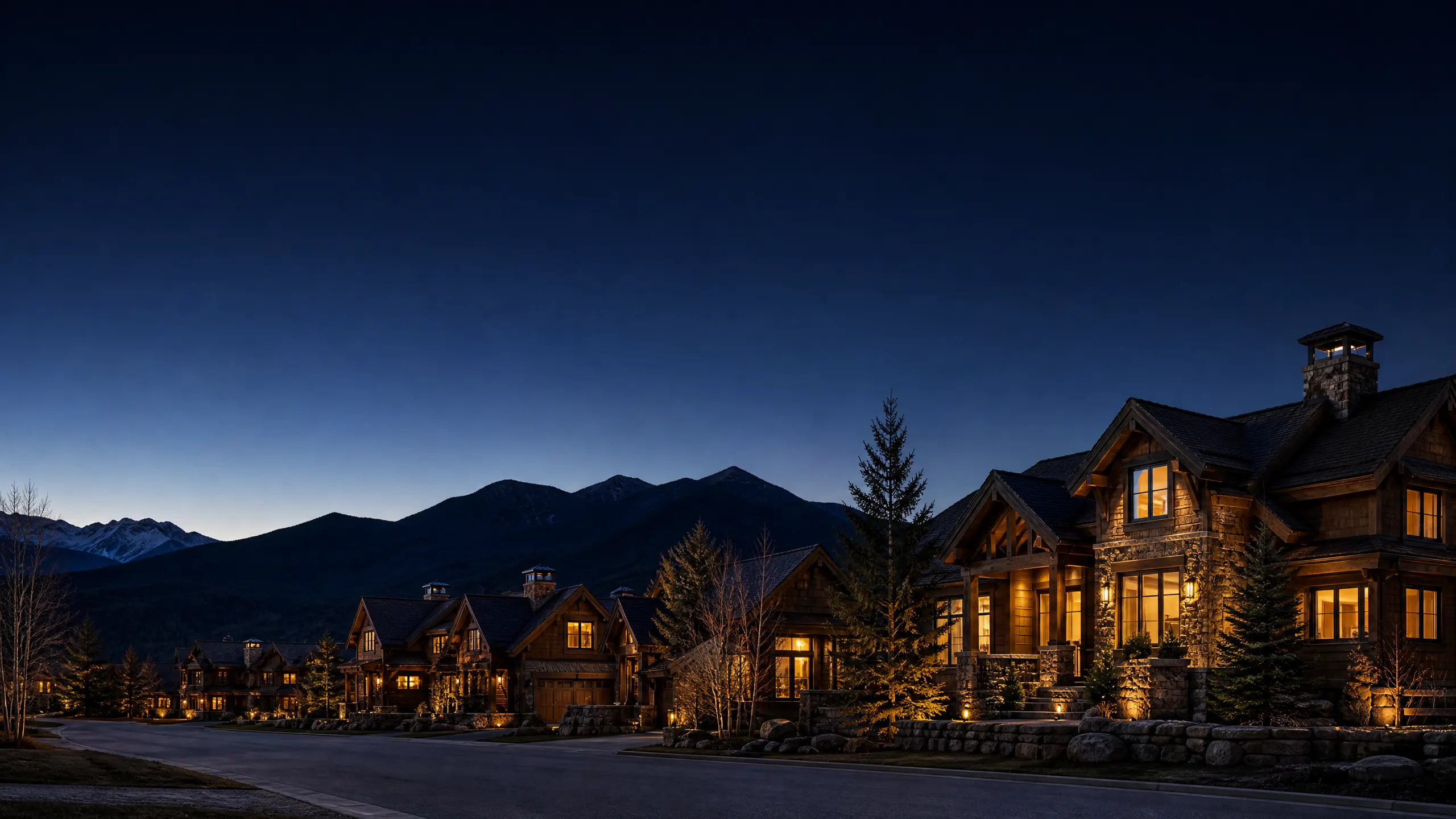






Warmly lit timber-frame and stone houses line a street at dusk, with evergreen trees and a snow-capped mountain range in the background.

Heat Pump Installation in Big Timber, MT

Tell us about the job

Takes about a minute. No obligation.

New system or replacementHeat PumpSweet Grass County, MT
Step 1 of 2

What ZIP code is the job in?

Sweet Grass County saw 398 severe weather events between 2015 and 2024. Most of that was wind and winter storms: 183 damaging wind events and 191 winter storms in that same stretch, plus 24 hail events. An outdoor heat pump unit sits outside through all of it, taking wind-blown debris and hail the way any outdoor equipment does. Statewide, 18% of Montana households lost power for 24 hours or more in 2024. A heat pump that's also your heat source means an outage is a heating problem, not just an inconvenience.

10 months
September through June, your system heats
17°F
the average winter night it heats against
76°F
the average summer afternoon it cools against
Isometric cutaway illustration of a single-story house with a dark gabled roof, showing interior rooms with ductwork leading to an indoor air handler and an outdoor condenser unit connected by lines on the ground outside.

Wind hit this county 183 times between 2015 and 2024, and winter storms hit it 191 times.

The outdoor unit has to hold up through all of that, year after year.

Heat runs ten months here. Get it in before September.

Heat runs September through June
183 damaging wind events from 2015 to 2024
24 hail events from 2015 to 2024
Most Homes Here Run on GasGas heats 46.6% of homes in Sweet Grass County, more than any other fuel.

Sweet Grass County falls under zone 6B in the 2021 energy code, the cold end of the scale. Any split-system heat pump installed here has to clear a federal efficiency floor: at least 14.3 Btu of cooling for every watt-hour it draws over the summer, and at least 7.5 Btu of heat for every watt-hour over the winter. That floor applies to units built from January 1, 2023 onward, so it already rules out some of the older stock still sitting in warehouses. A unit that clears the minimum still has to be sized and installed to hold up to zone 6B winters, not just pass on paper. Contractors working here also know which systems carry the federal tax credit, since that depends on meeting efficiency tiers above the bare minimum.

Plan for the outage before it happens

Where the outdoor unit goes and how it's protected from wind and hail is a decision to make at install, not after. And since this system will be your heat, it's worth asking the contractor what happens to it when the power goes out, before that's the situation you're in.

Find a contractor
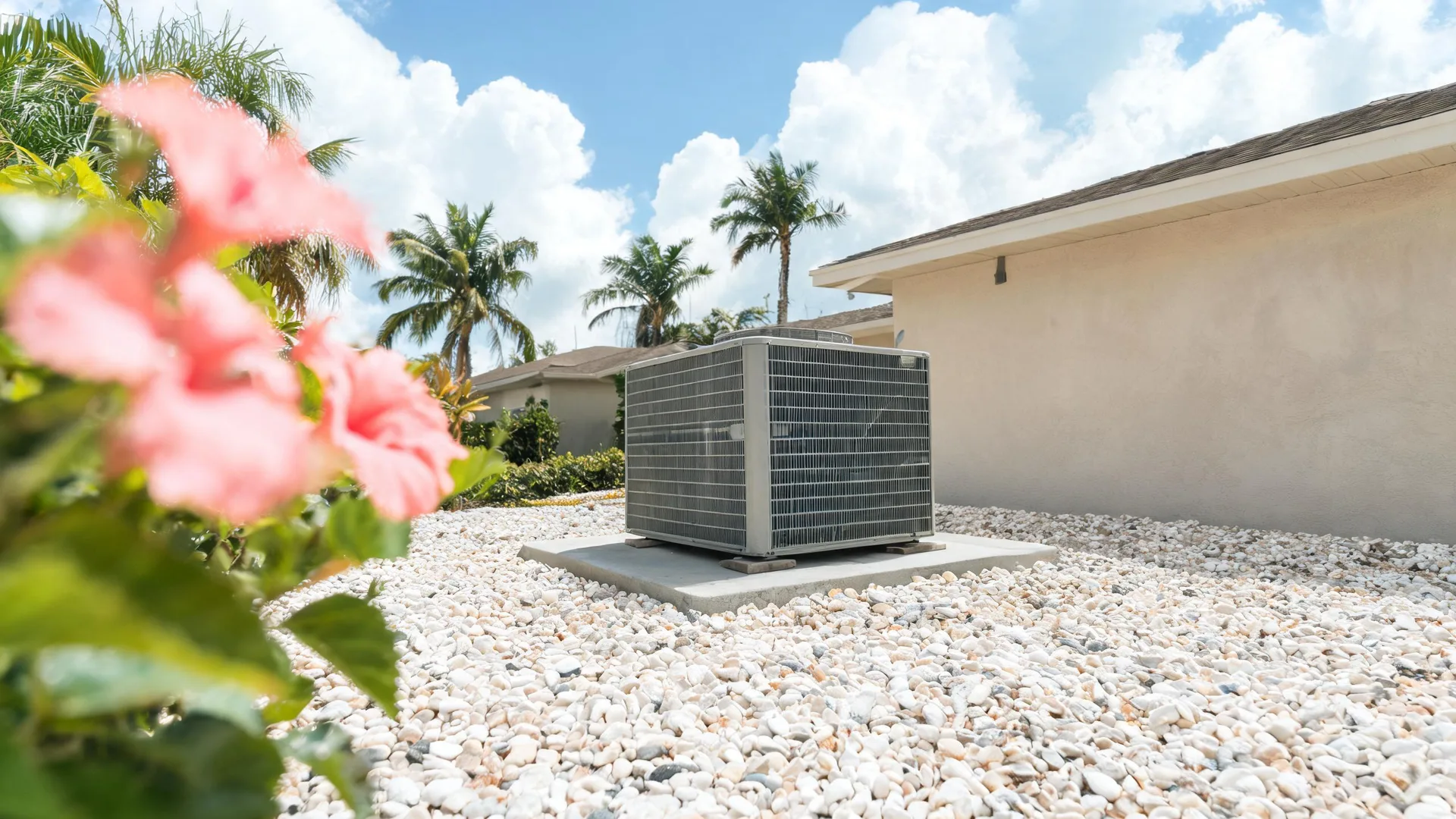
A residential heat pump outdoor unit mounted on a concrete pad next to a house with gray vinyl siding.

This Unit Works Every Month of the Year

This outdoor unit runs through all four seasons, cooling through the dry heat and carrying the heat load once winter sets in. That's a longer work year than milder climates ask of the same equipment. Sizing matters here more than the sticker price does. A unit too small struggles through summer's dry heat and loses ground on the coldest days. A unit too large cycles on and off more than it should, and that short-cycling wears on the compressor sooner than steady runtime would. Get the sizing right at install and the system settles into the kind of long, steady runs it's built for.

Sizing Comes From a Load Calculation, Not the Old Unit's Size

A contractor works out heat pump size by figuring the actual heat loss and heat gain of the house, room by room, counting windows, insulation, and ceiling height. Matching the new unit to whatever is already bolted to the pad skips that step, and it carries over any sizing mistake the last installer made.
Oversizing Causes Its Own Failures

A heat pump that's too big for the house satisfies the thermostat fast and shuts off again before it finishes pulling moisture out of the air in summer or settling into a steady heat cycle in winter. That start-stop pattern is harder on the compressor than letting the unit run longer at a steady pace, and it tends to shorten the equipment's life rather than extend it.

The efficiency rating on a heat pump's label describes two different jobs, and both matter. One number covers cooling output against the electricity it draws over the summer. The other covers heating output against electricity drawn over the winter. A higher rating on either side means the unit is pulling more comfort out of the same amount of power, not that it's bigger or stronger. Two units can look identical on the pad and perform nothing alike once the meter starts running, because the rating is about how hard the compressor has to work to hit the same temperature. It's worth asking which tier a given unit falls into, since that number also decides whether it qualifies for certain tax credits, and that's separate from whether it's sized right for the house.

Installation starts with the load calculation and the walkthrough, not with equipment showing up on a truck. The crew sets the outdoor unit on a pad or mounting brackets, runs the refrigerant lines to the indoor air handler or coil, and ties in the electrical disconnect. Those lines get pressure tested before anything is charged with refrigerant, because a leak found after the fact means opening the system back up. Once the lines hold pressure, the system gets charged to the manufacturer's specification, not just topped off until it feels cold. The crew then runs the system through both a cooling cycle and a heating cycle before calling the job done, checking airflow at the vents and the temperature split across the indoor coil. A heat pump that only gets checked in one mode can hide a problem that shows up the first cold night.