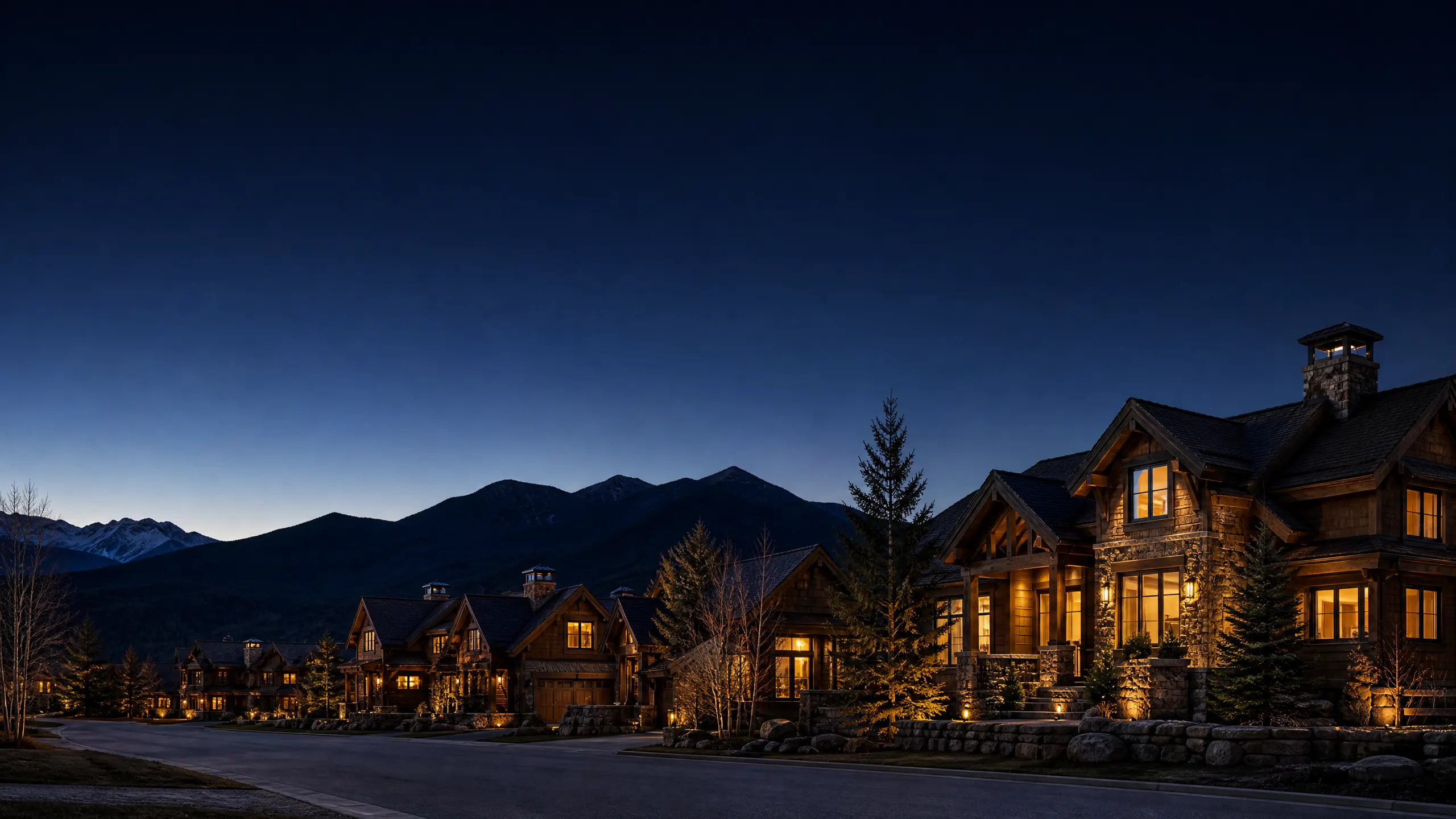







Warmly lit timber-frame and stone houses line a street at dusk, with evergreen trees and a snow-capped mountain range in the background.

Heat Pump Installation in Livingston, MT

Tell us about the job

Takes about a minute. No obligation.

New system or replacementHeat PumpPark County, MT
Step 1 of 2

What ZIP code is the job in?

Power here actually runs cheap. Park County averages 13.51 cents per kilowatt-hour, lower than most counties in the country. That works in your favor with a heat pump, since the whole system runs on electricity instead of burning gas for heat. A heat pump that's sized right and installed well will use that cheap power efficiently through a hard winter. One that's oversized, undersized, or poorly installed will waste it, and you'll pay for that waste on every bill until spring.

13°F
the average winter night it heats against
73°F
the average summer afternoon it cools against
Isometric illustration of a cutaway single-family house showing interior ductwork and an air handler, with an outdoor condenser unit connected by lines along the exterior wall.

Winter storms hit Park County 175 times between 2015 and 2024, and the overnight low in December, January and February averages 13°F.

A heat pump installed here has to hold up through worse cold and more storms than most installers ever plan for, so getting the size right matters more than it would somewhere easier.

Most homes here run on gas, which changes what a heat pump install needs to deal with

44.1% of homes heat with gas
120 damaging wind events from 2015 to 2024
15 hail events from 2015 to 2024
Storms here knock out power more than most places310 severe weather events hit Park County between 2015 and 2024, and 18% of Montana homes lost power for a day or more last year

Park County falls under zone 6B in the 2021 energy code, the designation for a cold climate with a long heating season. Any split-system heat pump installed here, if it was built from 2023 on, has to clear a federal floor: at least 14.3 Btu of heat moved per watt-hour of power in summer, and at least 7.5 Btu per watt-hour in winter. That's the minimum, not a target, so it narrows what an installer can legally put in your house. It also means the equipment on the table has already cleared a bar built for places colder than average, which this one is.

Get the install right and cheap power works for you all winter

Cheap power only pays off if the system installed is sized and set up to use it well. That comes down to the installer doing the load calculation instead of guessing, and setting up the system to run right through a Park County winter. Get that part right and the low rate on your bill does the work for you.

Find a contractor
A man in a dark gray t-shirt and tan work pants, seen from behind, carries a canvas tool bag up porch steps toward a dark front door, with a potted plant beside the porch.
A gray outdoor HVAC unit mounted on a concrete pad beside a house with gray lap siding and a stone foundation.

This system doesn't get a season off

This heat pump runs through the hot, dry summer and straight into a winter that brings storms on a regular basis, with no gap in between to rest or catch up on wear. Get the size wrong in either direction and it shows. Too big, and it short-cycles instead of settling into a steady run. Too small, and it falls behind on the coldest nights and leans on backup heat to keep the house warm. A load calculation done for your house, not pulled off a chart, is what keeps either from happening.

The rating is measured over a whole season, not a single moment

That efficiency number on the label comes from testing the unit across a range of outdoor temperatures, then averaging it out. Your heat pump won't run at that exact efficiency every hour. It'll beat that number on a mild day and fall short of it when the outdoor temperature drops hard. The rating tells you how the system performs on average, not what it's doing right now.
A high rating on paper still depends on the install

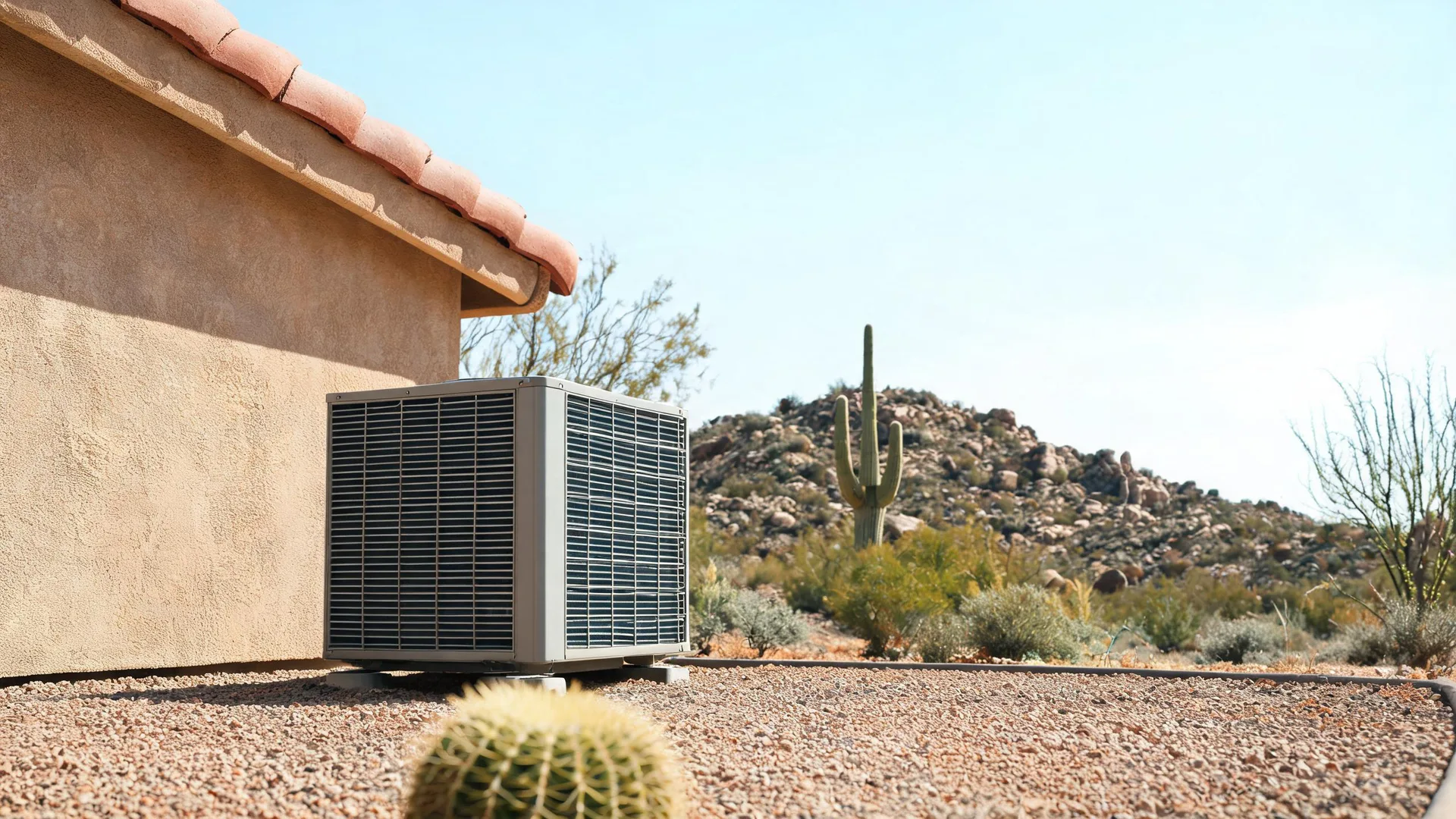
The rating gets tested in a lab, on a bench, with the refrigerant charge exactly where it should be and airflow set up clean. Put that same equipment in a duct system that's leaky or undersized, or charge it wrong in the field, and it won't deliver the number on the sticker. The equipment sets the ceiling. The installer decides how close to it you actually get.

A heat pump installation is priced on what it takes to move heat into and out of your house, not just the equipment sitting outside. The size of the unit matters, but so does everything that moves air and refrigerant to and from it. If the ductwork is undersized, leaky, or routed badly, an installer has to fix or replace sections before the new system can push air through it properly. Line sets, the refrigerant lines running between the outdoor unit and the indoor coil, need to be the right length and diameter for the equipment, and running new ones costs more than reusing a good set. Electrical work adds to it too. A heat pump often draws more power than what's already wired to that spot, so a panel upgrade or new circuit can be part of the job. None of this is optional or padding. It's what makes the equipment actually perform the way its rating says it should.

That outage risk means a straight swap to electric backup heat is worth a second look here. If the power is out, a heat pump stops, and so does any backup strip heat wired through the same system. Where the outdoor unit goes matters too. It needs clearance from falling snow load and a spot that doesn't sit under ice-heavy branches, since hail and wind are a regular event in this county, not a once-a-decade risk. If you're keeping gas furnace backup as part of a dual-fuel setup, that furnace can carry the house through an outage in a way an all-electric system can't. Worth raising with the installer before the equipment is picked, not after.