Electricity here runs 14.85 cents a kilowatt-hour
That rate sets what every hour of compressor run time costs you. A heat pump that moves heat efficiently keeps that number working for you instead of against you.
Takes about a minute. No obligation.
That rate sets what every hour of compressor run time costs you. A heat pump that moves heat efficiently keeps that number working for you instead of against you.
You're choosing the equipment that will run on electricity for years in this county. The efficiency rating you pick now decides how that rate turns into a bill, every month, for as long as you own it.

NOAA nClimDiv, 1991–2020 normals
Heat here runs from September through May, nine months out of the year.
Get a heat pump installed by August and it's ready for that first cold month instead of catching you partway through it.




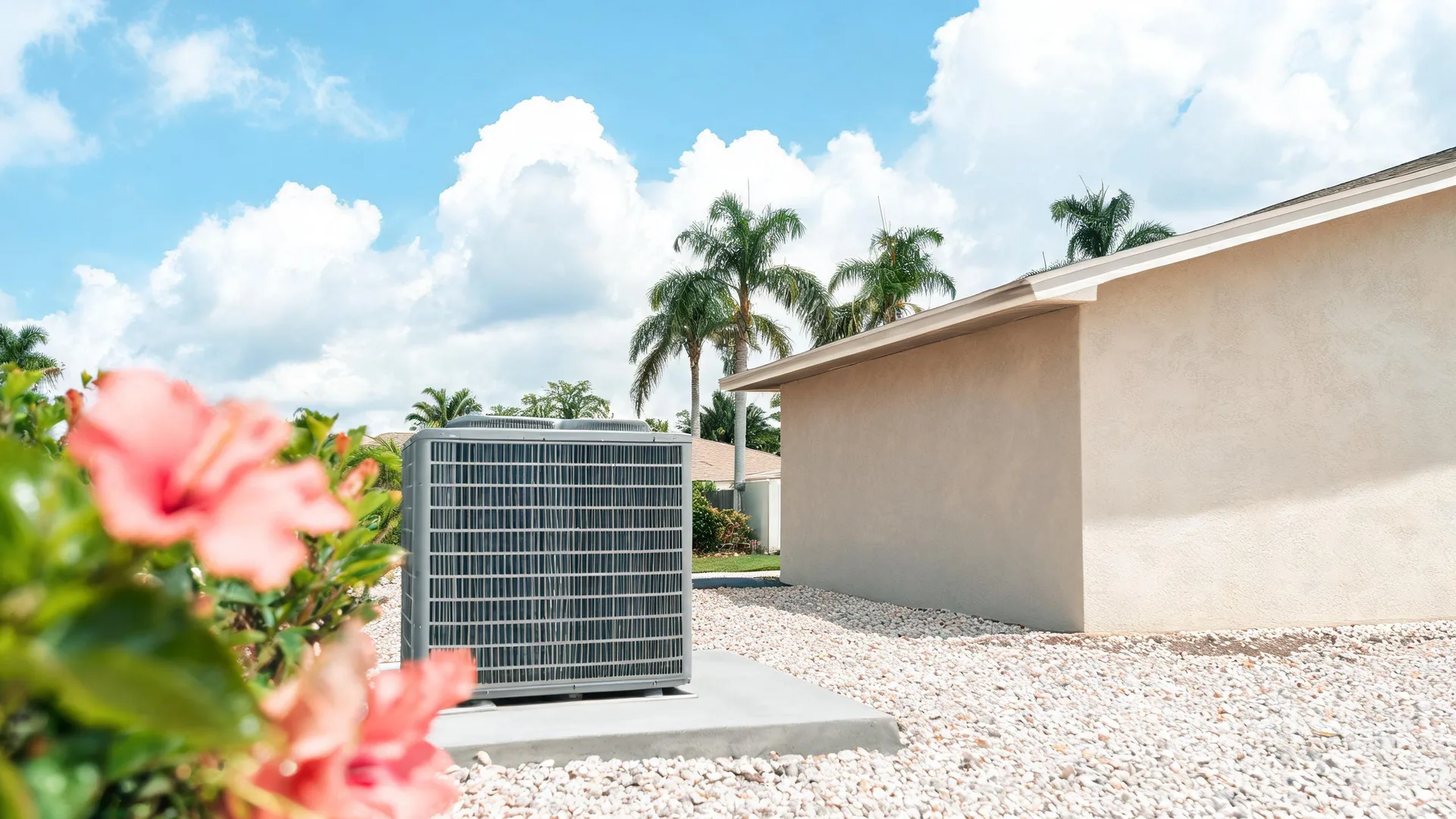
A heat pump's outdoor unit sits outside year round, and this county doesn't go easy on it. Damaging wind hit Phillips County 210 times between 2015 and 2024. Winter storms, the heavy snow and ice and blizzard kind, hit 59 times in that same span, and hail another 48 times. That's wind loading on the cabinet and fan, and ice working into places it shouldn't, over and over. None of that is a reason to skip a heat pump. It's a reason to size it for what it will actually face here, not for what a sticker price looks like in a showroom.
The efficiency rating on the unit decides what that electric rate costs you every month it runs. Picking that rating now is part of the install, not an upgrade for later.
Find a contractor
The outdoor unit sits outside from the day it's installed, running through whatever the season brings. Wind, snow, ice and hail already show up in this county, and the compressor keeps working through all of it. A unit picked for its price instead of its build shows that wear first in the fan motor and the cabinet, the parts that take the weather head on. Sizing it for what this county throws at it, not for a number on a showroom floor, is what keeps that wear from showing up early.
Most heat pump installs here pair with the existing gas furnace instead of replacing it outright. The furnace becomes backup heat for the coldest stretches, while the heat pump handles the rest. The old ductwork and thermostat wiring get tied into the new system rather than torn out.
If there's an old central air conditioner, that outdoor unit and its coil come out, since the heat pump replaces both heating and cooling in one system. A straight swap like that reuses the existing line set and electrical disconnect where they're still good, which keeps the job from turning into a full rewire.
Sizing a heat pump isn't a guess and it isn't just matching the old furnace's rating either. A contractor works out a heat load calculation for the house, room by room, looking at square footage, window area, insulation and how the place is laid out. Too big and the unit short cycles, kicking on, blasting heat or cold air, and shutting off again before it ever runs long enough to dehumidify the air or settle into steady operation. Too small and it runs flat out constantly, struggling to keep up on the coldest or hottest days, which wears the compressor down faster than it should. A correctly sized system runs in longer, steadier cycles, which is both easier on the equipment and the more efficient way to run it. The ductwork matters too. If the ducts can't move the air a new system puts out, even a correctly sized heat pump won't deliver the comfort it's rated for.
Phillips County falls under zone 6B in the 2021 energy code, a cold, dry climate zone with a long heating season. Any split-system heat pump installed here has to meet the federal minimums for equipment manufactured on or after January 1, 2023: at least 14.3 Btu of cooling delivered for every watt-hour it uses, and at least 7.5 Btu of heat for every watt-hour in winter. That's the floor, not a target, and it narrows the field to equipment built to hold up to that standard. A federal tax credit is available for qualifying heat pump installations, which offsets part of what it takes to meet that bar. The rating on the unit you pick has to clear that line before anything else about it matters.