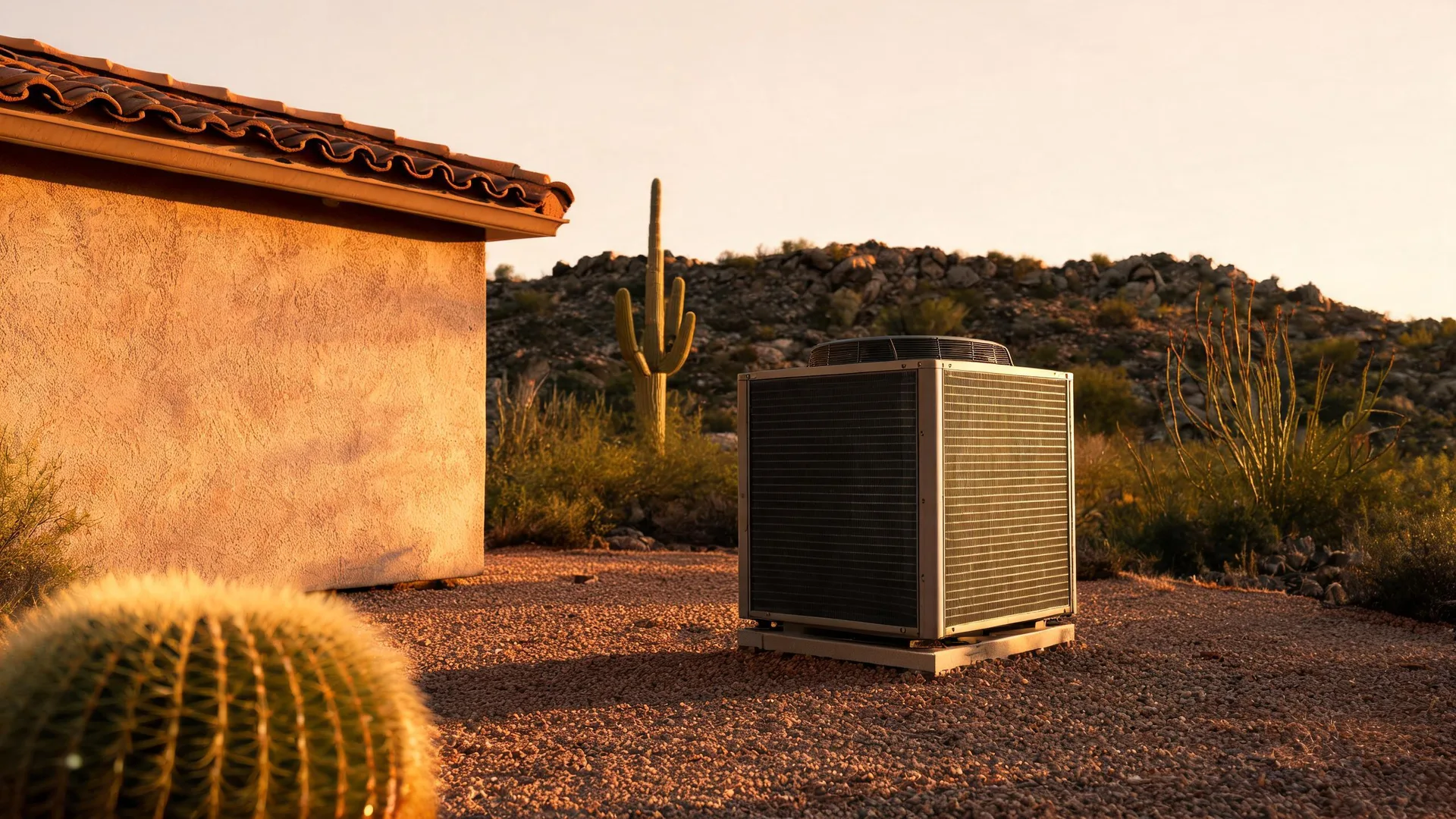
Most homes here run on propane
Propane heats 54.6% of homes in Musselshell County, more than any other fuel. Electricity is a distant second. Propane is the fuel most furnaces and water heaters here were built around.
Takes about a minute. No obligation.
Propane heats 54.6% of homes in Musselshell County, more than any other fuel. Electricity is a distant second. Propane is the fuel most furnaces and water heaters here were built around.
If your home heats with propane now, installing a heat pump means weighing it against a fuel tank and a delivery schedule, not a gas line. That's a different comparison than in a county running on electric furnaces, and it's worth asking any contractor how the two options stack up for your house.

NOAA nClimDiv, 1991–2020 normals
Half the homes in Musselshell County were built in 1975 or earlier, half later.
A standard-sized heat pump works fine on either side of that line.




A heat pump gets sized by doing a room by room heat loss and heat gain calculation on the house, not by matching whatever is being replaced. That calculation looks at wall and ceiling insulation, window area and orientation, air leakage, and the square footage of each room, and it comes out as a number the equipment has to match. Oversize it and the unit short cycles, running in quick bursts that cool or heat the air but never run long enough to pull humidity out or keep temperatures even room to room. Undersize it and it runs constantly on the coldest and hottest days, struggling to keep up and leaning hard on backup heat strips. A unit sized right for the house runs longer, steadier cycles and holds a more even temperature room to room. The contractor doing the calculation should walk the house and ask about insulation and windows, not just look at the old system's nameplate and size to match.
A standard-sized, standard-efficiency heat pump fits a Roundup home as well as anything larger or more expensive would. At 12.66 cents per kilowatt-hour, Montana's electricity is cheap enough that chasing a higher efficiency rating doesn't change the math much here. Get the sizing right and let that be the thing you spend on.
Find a contractor
The rating on the label tells you how much heat the unit moves for the electricity it uses, measured over a full season of weather rather than one mild afternoon. A higher number means less electricity for the same comfort. That number comes from lab testing at set conditions, not from your walls or your ductwork. Homes with the same rated unit can still see different results depending on how the rest of the house holds up its end. The rating itself doesn't move. It's fixed at the factory and stays true for the life of the equipment as long as the system gets kept up. Coils need to stay clean, airflow needs to stay unrestricted, refrigerant charge needs to stay correct. Let any of those slide and the unit works harder to deliver the same heat, no matter what the label says.
The compressor, the air handler, and the outdoor unit are a package price, but what connects them to the house varies a lot. Line sets, electrical work, and any ductwork changes get priced separately because every house needs a different amount of each.
A heat pump running off existing ductwork is a different job than one needing ducts added or modified, and the circuit it runs on has to carry the load. If the panel doesn't have room for a new circuit, that's added work before the heat pump goes in at all.
The old furnace or AC does not need to come out before the heat pump goes in, but in most installs it does, since the heat pump takes over both heating and cooling and there is nothing left for the old equipment to do. A gas furnace gets disconnected from the gas line and flue, then hauled out along with the outdoor AC unit and its line set. Some homes keep the furnace as backup heat alongside the new heat pump. In that case it stays tied into the same ductwork and switches on only when the heat pump needs help on the coldest days. That setup needs controls that can run both systems off one thermostat, deciding when to hand off from one to the other. A straight swap, where the old equipment comes out entirely, is the simpler job.
Installation day starts with the old equipment coming out, if there is old equipment to remove. The outdoor unit gets disconnected and hauled off, the line set comes out, and if a furnace is going too, it gets disconnected from its flue and gas line before it leaves. The new outdoor unit gets set on its pad, the indoor coil or air handler goes in, and a new line set runs between them, which usually means brazing new connections rather than reusing old ones. Once everything is connected, the system gets charged with refrigerant to the exact weight the manufacturer specifies, then checked for proper airflow across the coil. The last step is commissioning. The contractor runs the system through a heating and cooling cycle, checks the temperature split at the vents, and confirms the thermostat is talking to the equipment the way it should. None of that gets rushed, because a system charged wrong or short on airflow will run harder than it should for as long as it's in the house.