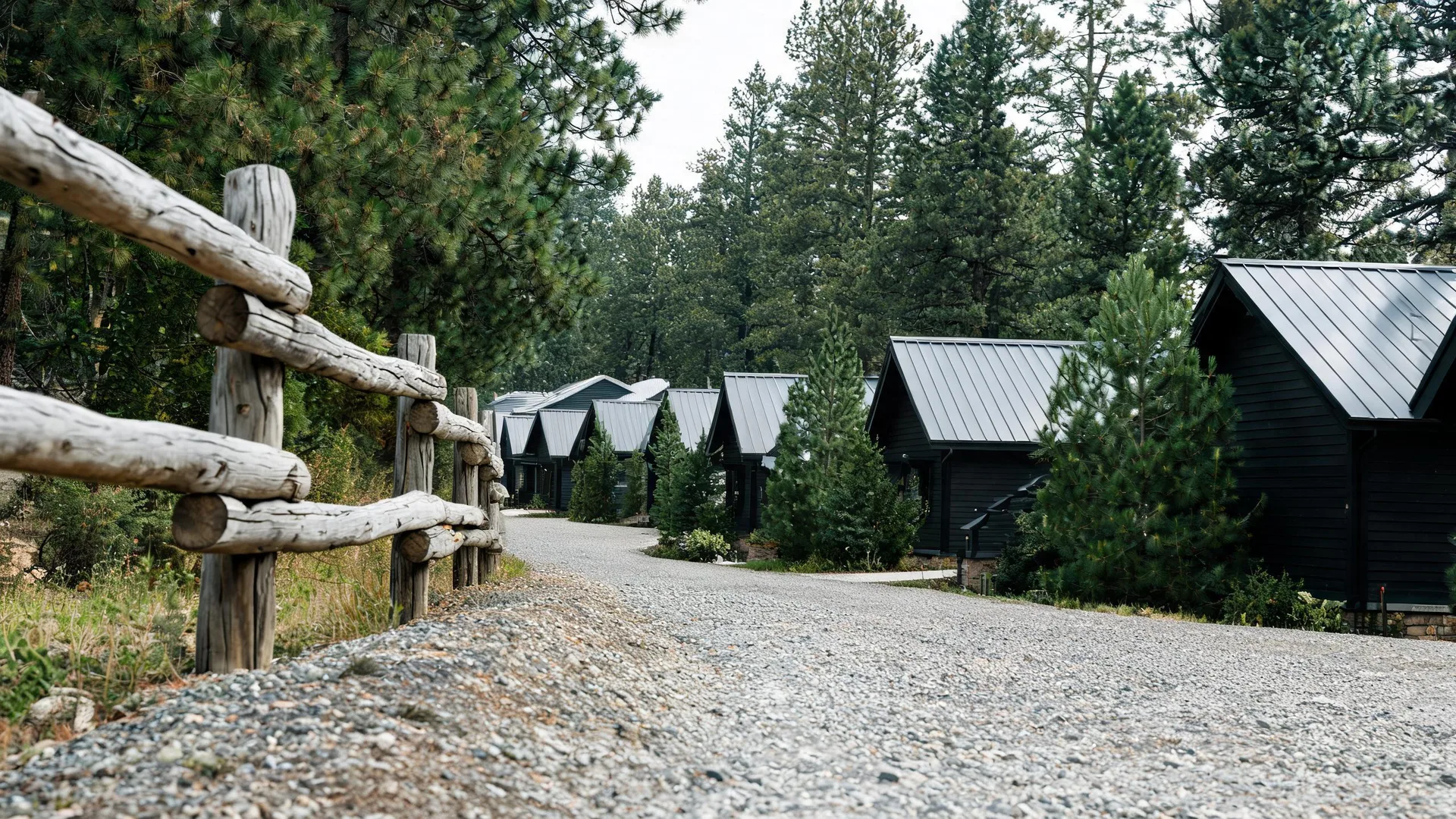


A gravel road lined with a rustic log fence on the left and a row of dark-clad gabled cabins with metal roofs on the right, surrounded by pine forest.

Furnace Maintenance in Libby, MT

Tell us about the job

Takes about a minute. No obligation.

Tune-up, service, or cleaningFurnace or heatingLincoln County, MT
Step 1 of 2

What ZIP code is the job in?

Electricity in Montana ran $37.11 per million Btu in 2024. That number matters more here than in a lot of places, because most homes around Libby heat with electric furnaces, and those furnaces run for months straight through winter. A furnace working harder than it needs to doesn't trip a breaker or make a strange noise. It just pulls more power every hour it runs, and that cost shows up on the bill without any single thing looking wrong. A dirty filter, a clogged blower wheel, a flame sensor reading weak, any of these make the furnace work longer to put out the same heat. Over a winter that adds up in a way it wouldn't somewhere power is cheap and the system idles half the year.

Your furnace runs ten months out of the year here, September through June.

A part that's wearing out gets almost no break before the next heating stretch starts.

Most furnaces here run on electricity, but not all of them

54.3% of homes heat with electricity
Climate zone 6B
Heat runs September through June
September Starts It UpFurnaces here go to work in September, so get the tune-up done in August.

A tune-up before September catches what ten months of running will only make worse. A technician checks the blower wheel, the heating elements, the airflow through the filter, the things that wear down slow and quiet until the furnace is working harder than it should be to do the same job. That matters more here than almost anywhere, because every extra hour of runtime shows up on a bill already higher than most places pay. Catching a weak part in late summer means it gets fixed once, not nursed along through a Libby winter.

Get It Checked Before It Runs Up Your Bill

A tune-up before the furnace starts up for the season catches a weak part before it spends the winter pulling extra power. That's the fix worth making while the furnace is still off.

Find a contractor
A gray residential gas furnace installed in an unfinished basement, connected to sheet-metal ductwork and PVC pipes.

What's Wearing Out Where You Can't See It

A furnace hides its wear inside the cabinet, so most of what's going wrong is something a homeowner never sees. A technician pulls the panel and checks things that don't announce themselves: the heating elements for scorching or an uneven glow, the contactors for pitting, the wiring for a connection that's gone loose from months of vibration. A blower motor can be drawing harder than it should and still spin fine. A limit switch can be stuck in a spot where it's not protecting the furnace the way it's supposed to. None of this shows up as a noise or a smell. It shows up as the furnace running longer to do the same job, and that only gets caught by someone who knows what the readings and the parts are supposed to look like.

Small Problems Don't Stay Small

A furnace left alone doesn't fail all at once. A cracked heat exchanger starts as a hairline seam. A blower motor bearing starts as a little extra friction. Dust builds on a flame sensor one thin layer at a time. None of these stop the furnace from running, so nothing forces the issue. They just get worse, one heating cycle after another, until the part that could have been cleaned or adjusted has to be replaced.

The Furnace Doesn't Tell You

Most of what goes wrong inside a furnace makes no sound and leaves no smell until it's gone a long way. A weak igniter still lights the burners, just slower. A dirty coil still moves heat, just not as much per minute. The furnace compensates by running longer, and a homeowner has no way to notice that from the thermostat. Regular maintenance is what catches a part drifting out of spec before it becomes a part that fails.

This is an electric furnace, so there's no gas flame and no flue, but it still has a filter, a set of coils, and a drain that need attention. The filter sits in the return before air reaches the heating elements. Let it clog and the blower has to pull harder to move the same air, and the elements can overheat trying to push warmth through air that isn't flowing right. The coil, where the air actually picks up heat, collects dust over time the same way the filter does, and a coated coil transfers less heat per pass. The furnace doesn't stop working because of this. It just runs longer to reach the same setpoint. The condensate drain matters less here than on a gas furnace, but if the system includes a heat pump or any cooling coil sharing that cabinet, a clogged drain backs up and can shut the system down or damage the pan underneath it. None of these parts fail loud. They just make the furnace work harder until someone checks them.

A real tune-up starts with the furnace off and the panel open, not a quick look from across the room. The technician checks amp draw on the blower motor against what that motor is rated for, because a motor pulling more current than it should is already working harder than it needs to, long before it fails outright. Heating elements get inspected for hot spots or uneven glow, since an element that heats unevenly puts more cycles on itself than one that heats clean. Electrical connections get checked for looseness, because vibration from months of running works screws and terminals loose a little at a time, and a loose connection adds resistance that turns into heat where it shouldn't be. The thermostat gets checked against what the furnace is actually doing, not just what the display says. None of this is guesswork. It's comparing what the furnace is doing against what it's supposed to do, and catching the gap while it's still small.