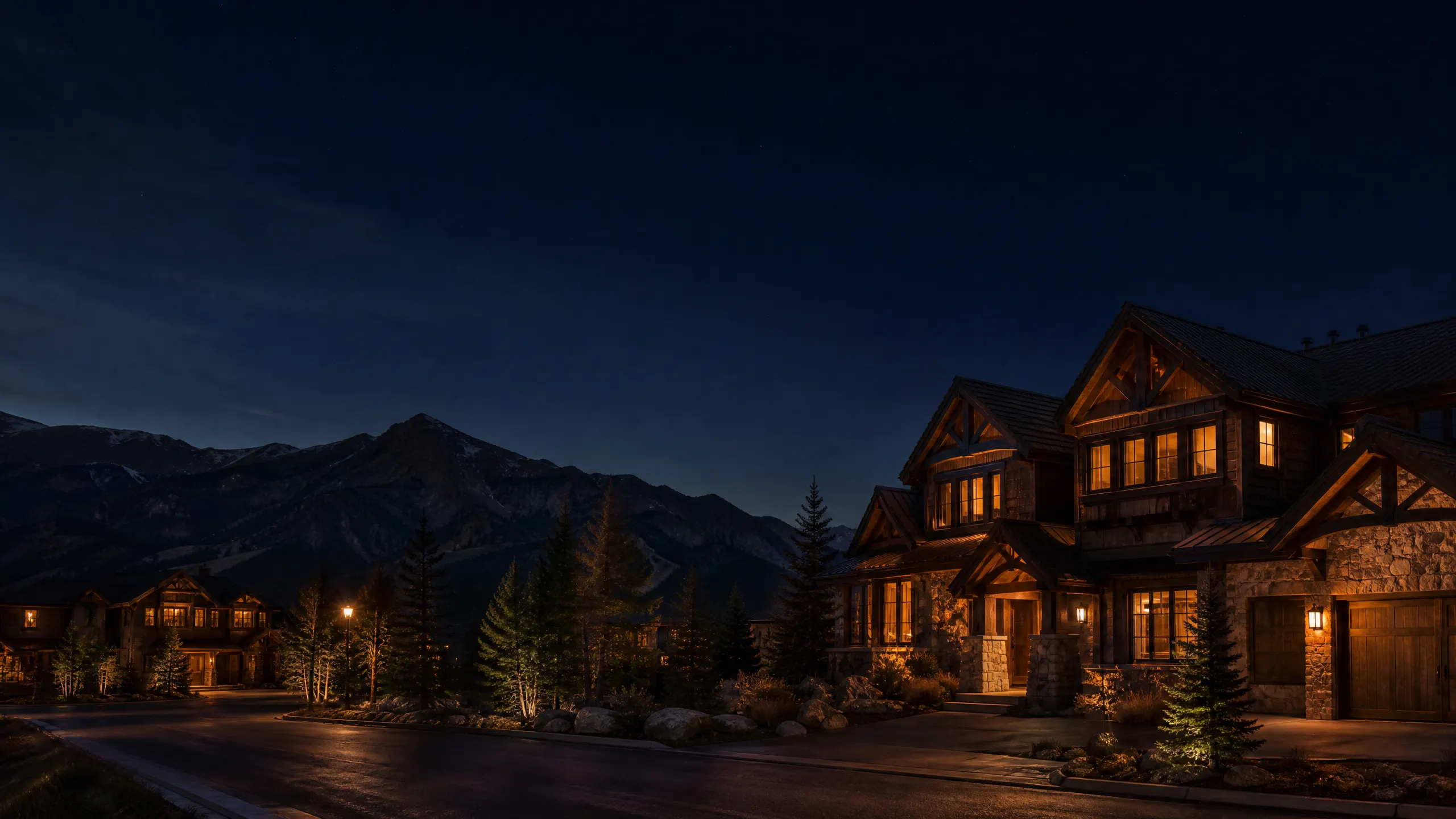

A multi-story timber-frame and stone house glows with warm interior and exterior lighting on a dark residential street, with mountain peaks and pine trees visible in the background.

Furnace Maintenance in Malta, MT

Tell us about the job

Takes about a minute. No obligation.

Tune-up, service, or cleaningFurnace or heatingPhillips County, MT
Step 1 of 2

What ZIP code is the job in?

Montana gas ran $7.77 per million Btu in 2024, well above what a lot of states pay. A dirty burner or a clogged filter makes your furnace work harder to put out the same heat, and every extra minute it runs gets billed at that rate. A furnace that's been skipped a few winters in a row isn't just older, it's burning more gas to do the same job. In a place where the furnace is working most of the year, that difference shows up on the gas bill before it shows up anywhere else.

Furnaces in Phillips County start running in September.

Get yours checked in August, before it has to work.

Storms here are hard on the outdoor parts of your heating system

319 severe weather events from 2015 to 2024
18% of homes statewide lost power a day or more in 2024
210 damaging wind events from 2015 to 2024

Nine months of the year, a furnace in Phillips County is running. That's September through May, which doesn't leave much of a break for anything to rest or get looked at. A burner or igniter that's slightly off doesn't get a quiet month to wait it out here, it just keeps firing, day after day, straight through winter. Problems that would take years to show up somewhere with a short heating season show up in one or two winters here. By the time something sounds or smells off, it's usually been working that way for weeks.

A furnace running clean costs less to run

A furnace burning more gas than it should runs up a bill at $7.77 per million Btu for months before anyone notices. A tune-up gets the burner and filter back to doing the job with less gas behind it.

Find a contractor
A gray high-efficiency gas furnace installed in an unfinished basement, surrounded by gas lines, a condensate drain, and sheet-metal ductwork.

Get ahead of a nine-month run

A tune-up before September catches the burner that's running dirty or the igniter that's starting to lag, while it's still a quick fix. Wait until the system is a few months into winter and that same part has had all that extra runtime to wear, in weather that won't let the furnace take a day off to deal with it. Check it before the season starts, not after it's already carrying the house through the cold.

A dirty filter makes the burner work harder

A clogged filter chokes off airflow across the heat exchanger. The burner still puts out the same heat, but less of it gets carried into the house, so the furnace runs longer to catch up. That longer runtime is the furnace working against itself, not for the house.

The flame sensor and burner need a clean, steady draft

Dust on the burner or a dirty flame sensor changes how the gas burns, and a furnace reading that as trouble will shut itself down rather than run unsafe. A tune-up cleans those parts and checks the draft before the furnace starts making that call on its own, mid-winter, with the house counting on it.

A furnace that never gets looked at doesn't fail all at once. Dust builds on the burner first, a thin layer that changes how the flame sits. The flame sensor picks up less signal than it should and starts cutting the burner off early, so the furnace short cycles instead of running a full heat. The igniter works harder to get a weak flame lit each time, and igniters wear out by the number of times they fire, not by the calendar. A clogged filter adds to all of it, choking the airflow the burner needs to move heat into the house instead of just making more of it. None of this shows up as a breakdown right away. It shows up as a furnace that runs longer, cycles more, and asks more of parts that were never cleaned or checked.

Half the homes in Phillips County heat with utility gas, and most of the rest run on bottled or LP gas. That means almost every furnace here has a burner, a gas valve, and a vent run that carries exhaust out of the house. Those parts need more than a new filter. A filter cleans the air moving through the house, but it does nothing for the flame underneath it or the venting that keeps combustion gas from backing up. A tune-up checks the burner, the venting, and the safety controls that shut the gas off if something's wrong. On electric furnaces that work doesn't apply, but electricity heats only 16.3% of homes here. For most houses in the county, the gas side of the furnace is the side that needs the look.