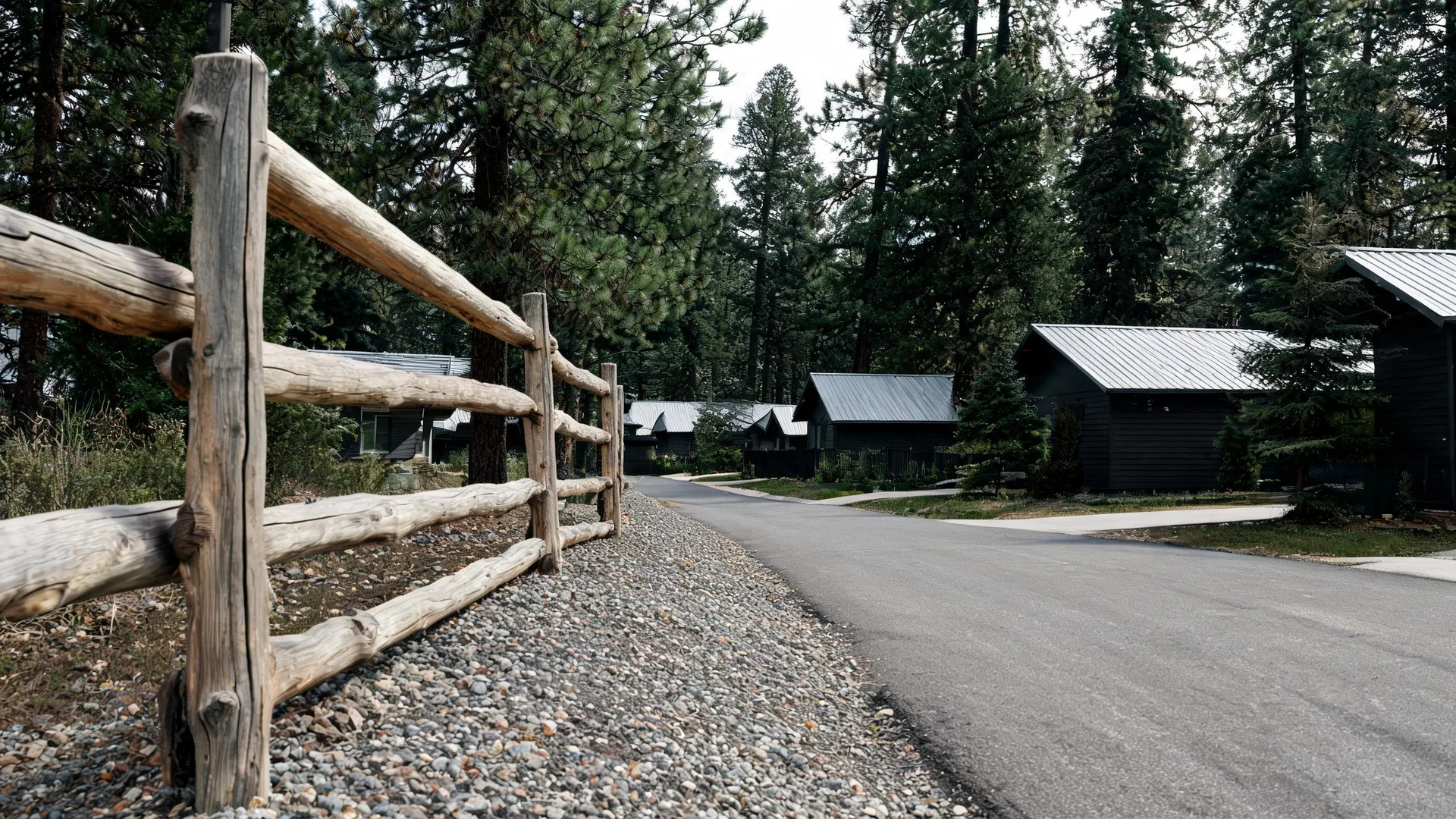



A paved road bordered by gravel and a weathered split-rail log fence curves past dark-sided cabins with metal roofs among tall conifer trees.

Furnace Maintenance in Boulder, MT

Tell us about the job

Takes about a minute. No obligation.

Tune-up, service, or cleaningFurnace or heatingJefferson County, MT
Step 1 of 2

What ZIP code is the job in?

Montana homes paid $7.77 per million Btu for natural gas in 2024. A furnace that's skipping maintenance doesn't run at its rated efficiency. A dirty burner or a clogged filter makes the system work harder to put out the same heat, and that shows up on the gas bill before it shows up anywhere else. Here, where the furnace runs most of the year, that difference adds up faster than it would somewhere mild. A furnace running clean burns less gas to do the same job.

Furnaces in Jefferson County start their ten-month run every September.

Book the tune-up in August, before the cold hits and the furnace is running every day.

Half these furnaces are still young. Maintenance is what keeps them that way.

Half the homes here were built by 1990
Climate zone 6B
Heat runs September through June

Gas heats close to half the homes in Jefferson County, more than electricity and propane combined for most households here. A gas furnace burns fuel to make heat, and that means a burner, a flame sensor, and a venting system that all need to be working right together. A tune-up on a gas furnace checks the burner flame, tests the safety controls, and makes sure the exhaust is venting the way it should. That matters more than swapping a filter. A furnace can run and still be venting poorly or burning unevenly, and neither one shows up until something fails or the gas bill climbs.

A clean-running furnace is the one that costs less to run

A tune-up gets the burner and filter back to doing their job, so the furnace stops working harder than it has to. Book it before the cold sets in and the furnace is running every day.

Find a contractor
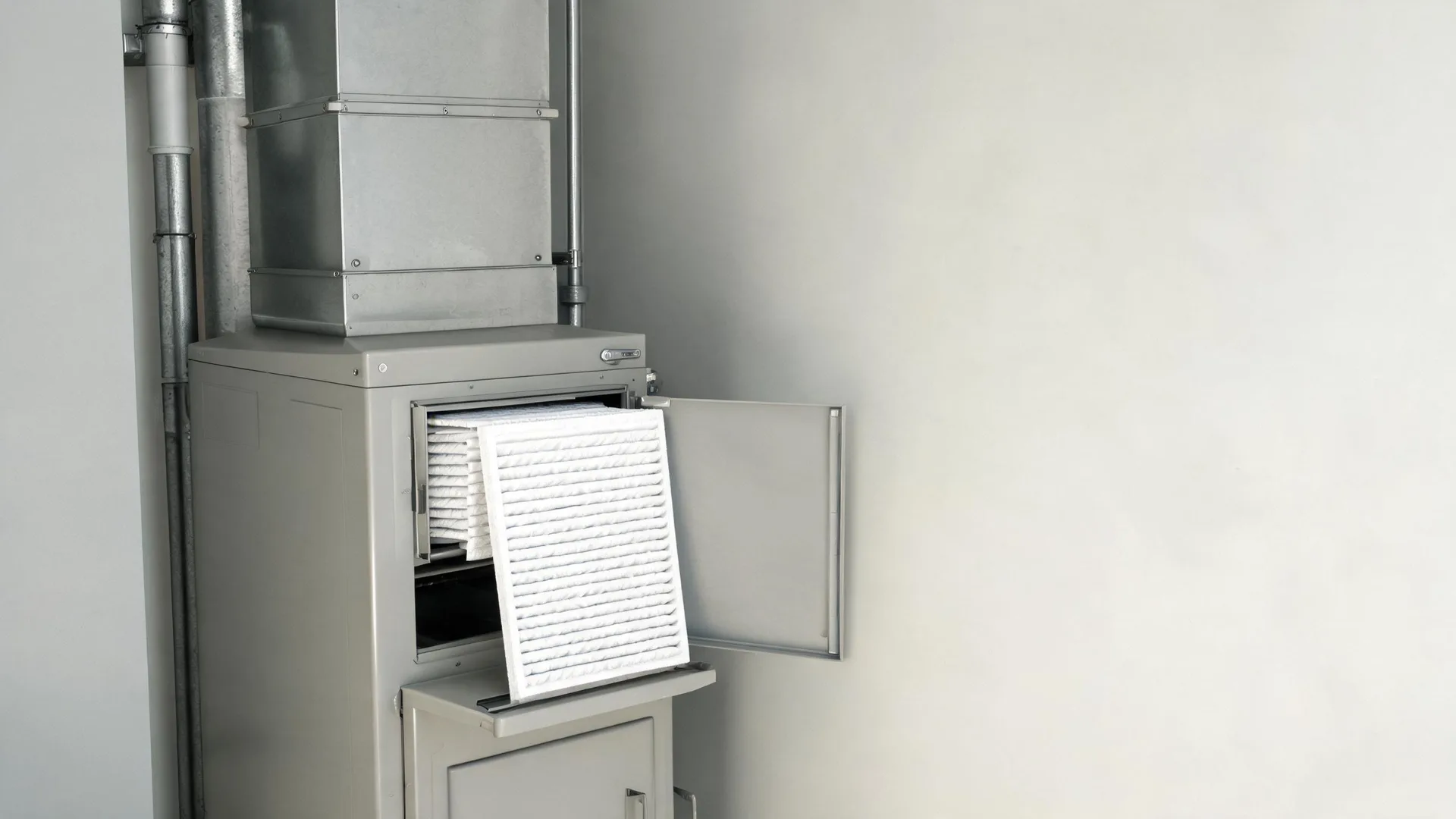
A gray residential gas furnace installed in an unfinished basement, surrounded by ductwork, a metal flue pipe, and a gas supply line.

Ten months a year, not four or five

Ten months of run time a year wears a furnace down faster than a mild climate ever would. Most places give a furnace a long rest each year. Here it gets maybe eight weeks, if that, before it's back on. Every cycle puts a little more wear on the igniter and the blower motor, and a furnace that barely shuts off doesn't get the downtime to show you a small problem before it becomes a bigger one. By the time something's audibly wrong, it's usually been struggling for a while.

Change the filter yourself

A dirty filter is the one thing on a furnace a homeowner should handle alone. Pull it out, hold it to the light, and if you can't see through it, swap it. A filter that's choked down restricts airflow across the heat exchanger, and that makes the blower work harder and can cause the system to overheat and shut itself off.
Leave the burner and flame sensor alone

Anything past the filter is the tech's job, not yours. The burner, the flame sensor, the igniter, the venting, all of it needs the furnace opened up and tested with meters and gauges. Taking a cover panel off to look isn't dangerous by itself, but adjusting anything inside without the right tools can knock a safety control out of calibration and you won't know it until the furnace fails to light.

A quick tune-up means someone swaps the filter, glances at the flame, and closes it back up. A thorough one means the burner assembly comes out for a real cleaning, not just a wipe-down. The flame sensor gets cleaned or tested, since a coated sensor is one of the most common reasons a furnace shuts itself off mid-cycle. The tech checks amp draw on the blower motor, not just whether it spins. The heat exchanger gets inspected for cracks, because a cracked exchanger can let exhaust mix into the air moving through the house. Gas pressure gets checked and adjusted at the valve, not assumed to be correct. If the visit is done in twenty minutes with the cover barely off, something on that list got skipped.

A furnace that runs ten months a year doesn't get much of a break to reveal a problem before the house needs it working. Once September hits, it's on nearly every day until summer, and whatever shape it's in going into that stretch is the shape it stays in. A tune-up before the season starts is the chance to catch a worn igniter or a dirty flame sensor while the furnace is still off enough to open up and test properly. Wait until the first cold snap and the only option left is calling after something quits.