Ten months of heat a year
A furnace in Missoula County runs from September through June. That is most of the calendar, with only a short break in summer. The burner, the igniter and the blower motor are cycling on and off nearly the whole time.
Takes about a minute. No obligation.
A furnace in Missoula County runs from September through June. That is most of the calendar, with only a short break in summer. The burner, the igniter and the blower motor are cycling on and off nearly the whole time.
Missoula County saw 164 winter storms between 2015 and 2024: heavy snow, ice and blizzards. A furnace already worn down from months of running has less left to give when one of those hits. A part that is wearing out shows itself sooner on a machine that works this hard.
Furnaces here start running in September and don't let up until June.
Have the tune-up done in August, before that stretch starts.
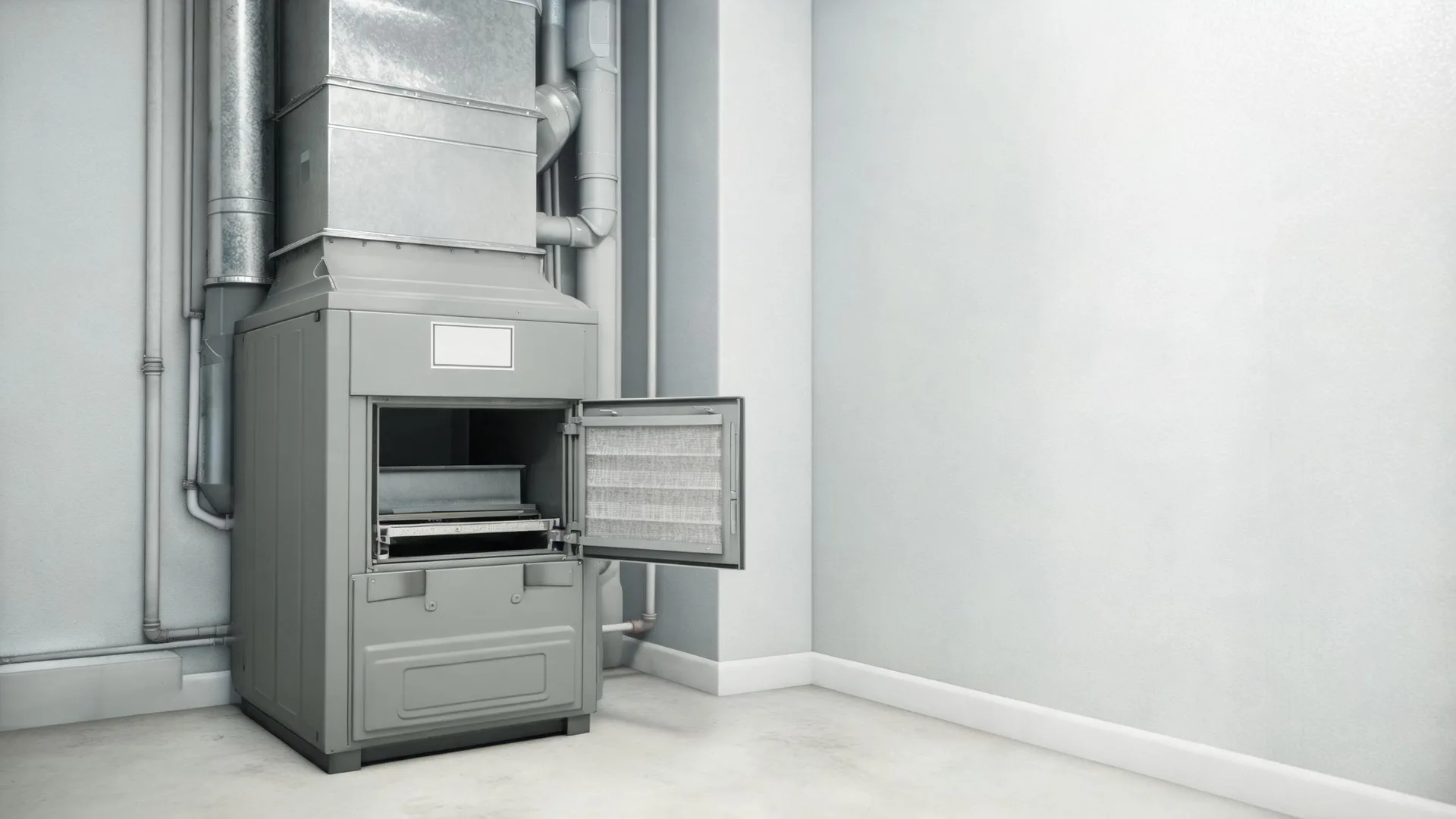
A furnace burning gas costs more to run when something inside it is making the job harder than it needs to be. A dirty flame sensor, a clogged filter, a burner that is not firing clean, any of that makes the furnace run longer to put out the same heat. Gas in Montana ran $7.77 per million Btu in 2024, and a furnace that is working harder than it should burns through more of it. Those extra minutes of runtime add up over a long heating stretch, not a short one. A tune-up gets the furnace back to burning the way it should, so the gas bought actually goes to heating the house.
Once the furnace starts up in September, it runs for most of the year without a break. A part that is already worn has little room left before winter puts real weight on it. Getting it looked at now means it is ready before storm season asks more of it than it can give.
Find a contractorHalf the homes in Missoula County were built in 1985 or later. If yours is one of them, the furnace itself may not be that old, especially if it's the original unit or a first replacement. A newer furnace still wears against the long stretch of months this county asks of it, and still needs the burner and igniter checked every year. The difference is what a yearly check buys. On a furnace with a lot of working life left, maintenance is what keeps small wear from turning into a part failing early. Skip it a few years running and some of that working life is gone for good.
A heat exchanger can split or corrode on the inside without any sign a homeowner would notice. The furnace still fires, the air still comes out warm, and nothing smells wrong until a technician pulls it apart or runs a combustion test. That crack lets exhaust mix into the air moving through the house instead of venting outside. By the time it shows up on its own, it has usually been doing that for a while.
A tune-up means pulling the burner assembly, checking flame sensor and igniter condition, testing gas pressure, and reading the flue for proper draft. None of that is something a homeowner opens up to look at between visits. A burner that's firing uneven or a flue that's drafting poorly won't always announce itself with a strange noise or a smell. It just makes the furnace work harder and wear faster until something finally gives out.
A furnace usually tells you something before it fails outright. The burner flame should burn steady and blue. If it's flickering yellow or orange, the burner isn't firing clean. A furnace that takes longer than it used to before warm air starts coming out of the vents is losing efficiency somewhere, often at the heat exchanger or the blower. Short cycling, where the furnace fires up, runs a few minutes, then shuts off before the house warms, points to a flame sensor going bad or a clogged filter choking airflow. A burning or metallic smell in the first minutes of a cycle is normal as dust burns off, but if it lingers past that, something inside is overheating. Rattling, screeching or grinding from the blower means a motor bearing or a fan wheel is wearing out, and that part won't fix itself by running less.
Storms in Missoula County don't let up once the furnace season starts. The county recorded 69 damaging wind events and 21 hail events between 2015 and 2024, on top of the winter storms already covered. Wind and hail hit more than the furnace itself. They can expose or strain a flue vent, knock debris into intake and exhaust piping, and that affects how the furnace breathes. Power matters too. Nearly one in five Montana households went at least 24 hours without power in 2024, and a gas furnace still needs electricity to run its blower and ignition control. A tune-up before storm season is a chance to catch venting or wiring issues a storm could make worse, before the cold asks more of the furnace than it can give.