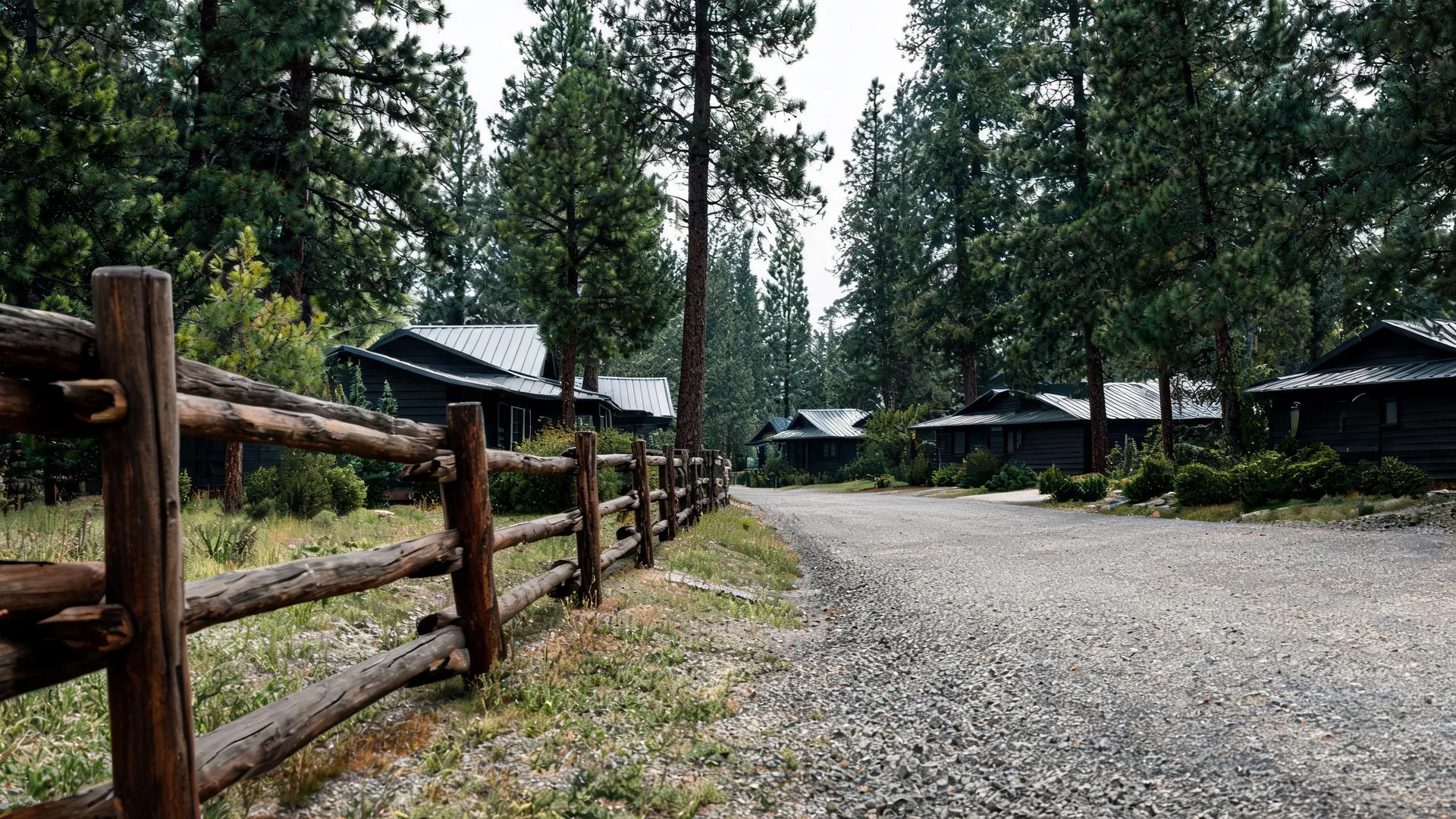
A gravel road curves past dark-sided cabins with metal roofs among tall pine trees, with a rustic split-rail wood fence and grass along the left side.

Furnace Maintenance in Anaconda-Deer Lodge County, MT

Tell us about the job

Takes about a minute. No obligation.

Tune-up, service, or cleaningFurnace or heatingDeer Lodge County, MT
Step 1 of 2

What ZIP code is the job in?

Gas here runs $7.77 per million Btu

Montana gas averaged $7.77 per million Btu in 2024. A furnace losing efficiency, whether from a dirty burner, a clogged filter, or a flame sensor that's not reading clean, pulls more gas to put out the same heat. That gets expensive over a winter this long.

A tune-up is what keeps that number down

A furnace running at its rated efficiency burns the gas it's supposed to and no more. Checking the burner, the flame sensor, and the airflow before the cold sets in is what keeps a furnace from quietly costing more than it should all winter.

Gas heats 66.3% of homes in Deer Lodge County, more than any other fuel.

That burner needs a flame sensor and venting check every year, not just a fresh filter.

A furnace here never really gets the winter off

Winter nights average 13°F
Climate zone 6B
Half the homes here were built by 1954
A lot of furnaces here are working in old housesHalf the homes in Deer Lodge County were built in 1954 or earlier.

Homes in Deer Lodge County run the furnace in every month of the year. There's no stretch where it sits off long enough to count as a break. A burner or blower motor that gets a real rest somewhere else doesn't get one here, and that's what wears a part down early. A tune-up is how a flame sensor going bad or a blower motor straining gets caught while it's still a simple fix, before the house needs heat and doesn't have it.

A tune-up keeps a Deer Lodge County furnace burning the gas it's supposed to, and no more

A furnace losing efficiency still heats the house. It just does it on more gas, and at $7.77 per million Btu that shows up over a winter this long. Getting the burner and flame sensor checked now is what keeps that number from creeping up before the cold really sets in.

Find a contractor
A man in a dark shirt and brown work pants, seen from behind, carries a worn canvas tool bag up porch steps toward a dark front door, with a potted shrub to the right.
A gray residential gas furnace installed in an unfinished basement, surrounded by ductwork, a metal flue pipe, and a gas supply line.

The older the furnace, the more a yearly look matters

If your furnace came with a house built in 1954 or earlier, a yearly check is how you find out what's going on inside it before it fails outright. A furnace does not warn you before a heat exchanger cracks or a flame sensor quits. It just runs a little worse, month after month, until the day it doesn't run at all. A tune-up catches that early, while it's still a simple fix, instead of on the night the house needs heat and doesn't have it.

A real tune-up takes the furnace apart

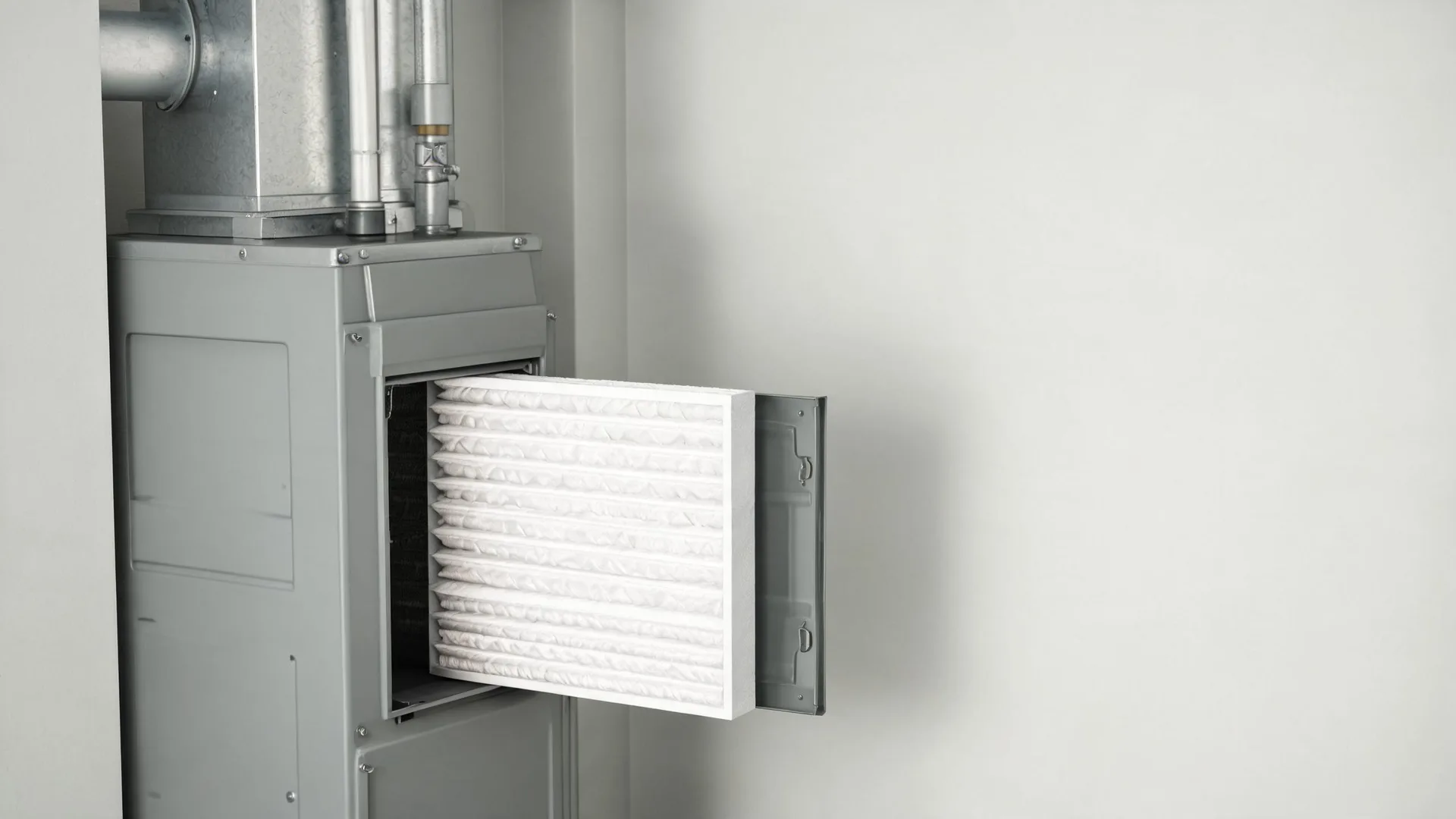
A tech pulls the burner assembly out and cleans each burner, not just a quick vacuum through the access panel. The flame sensor gets removed and scraped clean, since a film builds up on it that looking at it won't show. The blower wheel comes out so the blades can be wiped down, because caked-on dust throws the wheel off balance and wears the motor bearings. The inducer motor and hot surface igniter get checked for cracks or wear, not just a glance to see if they light. Static pressure gets measured with a gauge across the filter and coil, not guessed at.

A quick one just checks that it turns on

Fire it up, watch the flame, feel for warm air at the nearest vent, done. That tells you the furnace ran for five minutes without a problem, nothing about whether the heat exchanger has a hairline crack, whether the gas pressure is set right at the manifold, or whether the flue is drafting the way it should. A furnace can start and run fine on a bad flame sensor or a dirty burner for a long time before it fails. The parts that catch that kind of problem early are exactly the ones a quick check skips.

Between visits, the main thing is the filter. A dirty filter chokes airflow, and a furnace starved for air runs hotter than it should and shuts off early on a limit switch. Check it monthly and swap it when it looks gray instead of white. Keep the area around the furnace clear, nothing stacked against the cabinet, since it needs room to pull in air. If the furnace has a standing pilot, you can check that the flame burns steady and blue, not yellow or flickering. Past that, leave the cover panels on and leave the burner and flame sensor alone. Those need a tech's hands, and opening up a gas furnace without knowing what you're looking at causes more problems than it catches.

A tune-up follows the path the heat actually takes. It starts at the burner, where the gas mixes with air and lights, since a burner running dirty or out of adjustment puts out a weaker, uneven flame. From there it checks the heat exchanger, the metal chamber that passes heat into the air stream without letting combustion gas mix in. A crack there is the one thing a tune-up is really guarding against, because it can let carbon monoxide into the air the blower pushes through the house. The flue and venting get checked too, since a furnace that drafts poorly can backdraft instead of carrying exhaust outside. Last comes the blower and the airflow across the coil and filter, because a furnace moving too little air runs hotter than it should and shortens the life of everything upstream of it. Each of those is a different failure, and a tune-up means someone checked all of them, not just the one that happens to be loudest.